


CNC Machining Aerospace Components
CNC Machining Aerospace Components
Introduction to CNC Machining Aerospace Components
The aerospace industry requires parts that are extremely precise, reliable, and safe. Even a very small error in a component can affect the performance of an aircraft or spacecraft. This is why CNC Machining Aerospace Components plays such an important role in modern manufacturing.
CNC (Computer Numerical Control) machining allows manufacturers to produce highly complex and accurate parts using computer-controlled machines. These aerospace components are used in aircraft engines, landing systems, structural frames, and spacecraft systems. They help improve safety, fuel efficiency, and overall performance in aerospace engineering.
The importance of CNC in aerospace component production lies in its ability to produce consistent, high-quality parts that meet strict aviation and space standards used by organizations such as :contentReference[oaicite:0]{index=0}, :contentReference[oaicite:1]{index=1}, :contentReference[oaicite:2]{index=2}, and :contentReference[oaicite:3]{index=3}.
Importance of CNC in Aerospace Component Production
High Precision and Accuracy
CNC machining can achieve extremely tight tolerances, often measured in micrometers. This level of accuracy is critical for aerospace components such as turbine blades, fuel injectors, and landing gear systems.
For example, a high-precision CNC-machined fuel injector nozzle can improve fuel atomization in jet engines. This leads to better combustion efficiency and improved engine performance, which directly supports fuel savings and reduced emissions.
Complex Geometry Realization
Aerospace components often have complex shapes designed for aerodynamics, strength, and weight reduction. CNC machines can accurately produce these intricate geometries from digital models.
For example, aircraft wing spars or rocket engine housings require complex internal structures and curved surfaces. CNC technology makes it possible to manufacture such designs with high precision. Honeycomb-structured panels used in aircraft are another example where CNC machining ensures lightweight strength and structural stability.
Material Compatibility and Optimization
Aerospace manufacturing uses advanced materials such as titanium, aluminum alloys, and composite materials. These materials are strong but often difficult to machine.
CNC machining allows controlled cutting conditions tailored to each material. For example, titanium requires slower cutting speeds and specialized tooling due to its high strength and low thermal conductivity. Proper machining ensures that the final aerospace component maintains both strength and dimensional accuracy.
Process of CNC Machining Aerospace Parts
Design and CAD/CAM Programming
The process begins with CAD (Computer-Aided Design), where engineers create a 3D model of the aerospace component. This model includes all functional, structural, and aerodynamic requirements.
Next, CAM (Computer-Aided Manufacturing) software converts the design into machine instructions. These instructions define toolpaths, cutting speeds, feed rates, and spindle speeds.
For example, a multi-stage turbine engine component used in aircraft engines is carefully programmed to ensure each section is machined with perfect alignment and balance. This step is essential for reliable process of CNC machining aerospace parts.
Material Selection and Preparation
Choosing the right material is critical. Aerospace components must be lightweight, strong, and resistant to heat and corrosion.
Materials are cut, heat-treated, and inspected before machining begins. Harder materials require stronger cutting tools and slower machining speeds to avoid tool wear and deformation.
Machining Operations
Milling
Milling is used to create flat surfaces, slots, pockets, and complex 3D shapes. Ball-nose end mills are used for curved surfaces, while standard end mills handle general cutting tasks.
In aerospace applications, surface finish is extremely important. A smooth finish reduces air resistance and improves aerodynamic performance.
Turning
Turning is used for cylindrical components such as shafts and engine parts. The workpiece rotates while a cutting tool removes material.
Carbide-tipped tools are often used when machining high-strength materials like titanium alloys, ensuring durability and precision.
Drilling and Boring
Drilling creates holes for fasteners, fluid channels, and assembly systems. Boring improves the accuracy of existing holes.
In aerospace components, hole accuracy is critical for structural integrity. Coolant systems and precise feed control help maintain quality during machining.
Finishing Operations
Finishing processes include polishing, coating, and surface treatments such as anodizing. These improve corrosion resistance, wear resistance, and overall durability.
For example, thermal barrier coatings on turbine blades help protect components from extreme heat, extending service life and improving engine reliability.
Tooling for CNC Machining Aerospace Components
Carbide-tipped Tools
Carbide tools are widely used because they can withstand high temperatures and cutting forces. They are especially useful for machining tough aerospace materials like titanium and nickel alloys.
The use of carbide end mills improves tool life and reduces production downtime during large aerospace manufacturing runs.
Specialized Drill Bits and Boring Bars
Aerospace machining requires highly specialized cutting tools. Coated high-speed steel (HSS) or carbide drill bits are used for precision hole-making in metal and composite materials.
Tool geometry such as point angle and helix angle is optimized for different materials. Rigid boring bars ensure accuracy when finishing internal surfaces of aerospace components.
This is essential for the tooling for CNC machining aerospace components process to ensure consistent quality and performance.
Quality Control in CNC Machining Aerospace Components
In-process Inspection
Quality control begins during machining. Engineers use calipers, micrometers, and coordinate measuring machines (CMMs) to verify dimensions.
If any deviation is detected, machine settings are adjusted immediately. This prevents defective parts from continuing through production.
This step is essential in quality control in CNC machining aerospace components.
Final Inspection and Testing
Final inspection ensures that each aerospace component meets strict industry standards. Non-destructive testing methods such as ultrasonic testing and X-ray inspection are commonly used.
For example, internal cracks in a structural component can be detected before installation in an aircraft, preventing potential safety risks.
Challenges in CNC Machining Aerospace Components
High-precision Requirements
Aerospace components require extremely tight tolerances. Even small errors can affect aircraft safety and performance.
For example, a small dimensional error in a landing gear component could lead to failure during landing, making precision manufacturing essential.
Material-specific Challenges
Different materials create different machining challenges. Titanium generates heat during cutting, while composite materials may delaminate if not handled properly.
Proper cooling, tool selection, and cutting strategy are necessary to solve these issues in aerospace production.
This is a key part of managing challenges in CNC machining aerospace components.
Cost-effectiveness in Small-batch Production
Aerospace manufacturing often involves small production volumes, which increases setup costs per part. Manufacturers must optimize machining processes to reduce cost while maintaining quality.
Efficient programming, tool optimization, and automated inspection systems help reduce production expenses without sacrificing precision.
Conclusion: Mastering CNC Machining for Aerospace Components
CNC Machining Aerospace Components is essential for producing safe, reliable, and high-performance parts used in modern aviation and space systems. From design and material selection to machining, tooling, and inspection, every step must be carefully controlled.
Understanding the importance of CNC in aerospace component production, mastering the process of CNC machining aerospace parts, selecting proper tools, and applying strict quality control are all critical for success.
As aerospace technology continues to evolve, manufacturers who focus on precision, efficiency, and innovation will remain competitive in this demanding industry. Exploring improvements in CNC processes can help achieve higher quality and better performance in future aerospace projects.
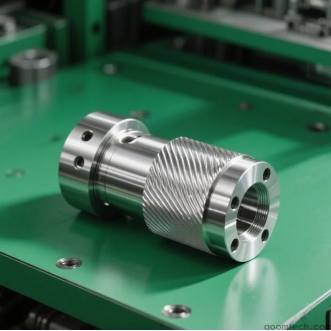 How to Ensure Precision in CNC
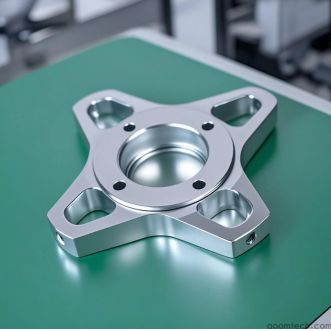 Small Batch Precision CNC Mach
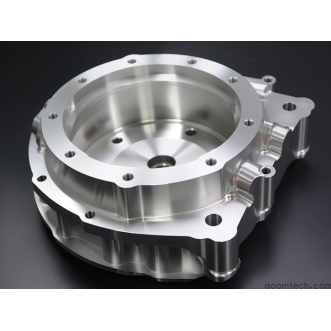 What surface finish can CNC ma
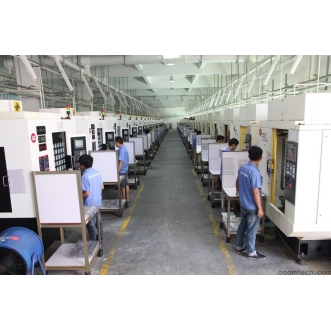 CNC Machining Tolerance Settin