


CNC Machining of Precision Parts for Security Industry
CNC Machining of Precision Parts for Security Industry
Introduction to CNC Machining of Precision Parts for Security Industry
The security industry depends on highly accurate and reliable components to ensure systems work safely and consistently. These components are often called precision parts. The CNC Machining of Precision Parts for Security Industry plays a key role in producing these parts with high accuracy, repeatability, and efficiency.
Security systems such as surveillance cameras, access control systems, security gates, and alarm devices all rely on well-made mechanical and electronic housings. CNC machining helps manufacturers create parts that improve reliability, durability, and long-term performance.
Importance of CNC in Security Precision Parts
High Precision for Optimal Function
One major importance of CNC in security precision parts is its ability to achieve extremely tight tolerances. Even a small error can affect system performance.
For example, in surveillance cameras, CNC-machined lens mounts ensure perfect alignment of optical components. This reduces image distortion and improves clarity. A precisely machined camera housing also helps reduce vibration, resulting in more stable video output.
In access control systems, precision-made lock components ensure smooth fitting and secure locking. If the fit is too loose or too tight, the security function may fail.
Consistency in Mass Production
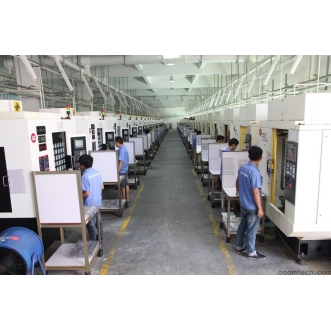
CNC machining ensures every part is made exactly the same, even in large production runs. This is very important for security manufacturers who need uniform product quality.
For example, a company producing thousands of access control keypads can rely on CNC machining to ensure every keypad housing, button frame, and internal bracket meets identical standards. This improves product reliability and reduces failure rates in the field.
Process of CNC Machining Security Precision Parts
Design and CAD/CAM Programming
The process of CNC machining security precision parts begins with design. Engineers create a 3D model using CAD software. This model defines the shape, size, and function of the part.
Then CAM software converts the design into machine instructions. These instructions define toolpaths, cutting speeds, and feed rates. For complex parts such as multi-component lock mechanisms, programmers must carefully plan machining steps to ensure all parts fit together securely and function smoothly.
Material Selection and Preparation
Material choice is very important in security applications. Common materials include stainless steel, aluminum, and engineering plastics.
Stainless steel is often used for outdoor security equipment because it resists rust and harsh weather. High-strength plastics are used when lightweight design is needed while maintaining durability.
Before machining, materials may be cut, heat-treated, or inspected. Harder materials require stronger cutting tools and slower machining speeds to maintain precision.
Machining Operations
Milling
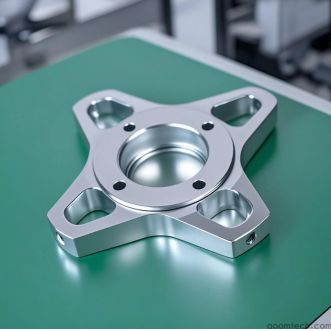
Milling is used to create flat surfaces, slots, and complex shapes. For example, security control panel housings are often milled to create internal spaces for circuits and mounting points.
Turning
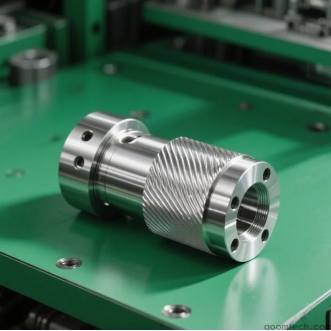
Turning is used for cylindrical parts such as shafts, pins, and bolts. These parts must be highly concentric to ensure smooth mechanical movement in security devices.
Drilling and Boring
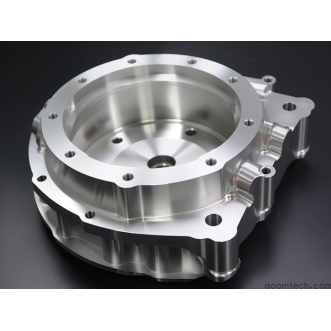
Drilling creates holes for screws, wiring, or assembly. Boring is used to refine hole size for high accuracy. Proper coolant use helps prevent overheating and ensures clean hole surfaces.
Finishing Operations
Finishing improves appearance and performance. Common methods include polishing, anodizing, and coating.
For example, anodizing aluminum parts improves corrosion resistance and makes them more durable for outdoor security systems like cameras and gate controllers.
Tooling for Security Precision Parts CNC Machining
Carbide-Tipped Tools
Carbide tools are widely used in tooling for security precision parts CNC machining because they are strong and wear-resistant. They can handle hard materials like stainless steel without losing cutting performance.
For example, carbide end mills are used to machine steel lock housings, allowing stable cutting and reducing tool replacement frequency.
Specialized Drill Bits
Special drill bits are needed for different materials. High-speed steel (HSS) and coated carbide drills are commonly used.
For example, cobalt-coated drill bits are effective when machining strong plastic housings for security cameras, ensuring clean and accurate hole placement.
Quality Control in CNC Machining for Security Industry
In-Process Inspection
quality control in CNC machining for security industry starts during production. Operators measure parts using calipers, micrometers, and coordinate measuring machines (CMM).
If any deviation is found, machine settings are adjusted immediately. This prevents large batches of defective parts.
Final Inspection and Testing
After machining, parts undergo final inspection. This includes checking dimensions, surface quality, and internal structure.
Non-destructive testing methods such as ultrasonic or X-ray inspection may be used to detect hidden cracks. Parts that fail inspection are rejected to ensure only safe and reliable components are used in security systems.
Challenges in CNC Machining Security Precision Parts
High-Precision Requirements
One major challenges in CNC machining security precision parts is achieving extremely tight tolerances. Even a small error in a lock component can reduce system security or cause failure.
Material-Specific Challenges
Different materials behave differently during machining. Hard metals may wear tools quickly, while plastics may deform due to heat. Adjusting cutting speed and tool type is essential for stable production.
Security-Related Requirements
Security parts must also resist tampering and environmental damage. Some designs include hidden fasteners or reinforced structures to prevent forced entry or manipulation.
Applications of CNC-Machined Precision Parts in Security Industry
Surveillance Systems
CNC-machined parts are widely used in cameras, lens mounts, and housing systems. These parts ensure stable positioning and clear imaging.
For example, a precision-machined camera housing reduces vibration and improves image stability in outdoor surveillance systems.
Access Control Systems
Access control devices rely on CNC-machined locks, brackets, and keypads. Accurate machining ensures smooth operation and strong security protection against unauthorized access.
Security Barriers and Gates
Security gates use CNC-machined hinges, rollers, and support structures. These parts must handle heavy loads and frequent use while maintaining smooth motion and strength.
Conclusion: Mastering CNC Machining for Security Precision Parts
The CNC Machining of Precision Parts for Security Industry is essential for building reliable and high-performance security systems. It ensures precision, consistency, and durability across many applications.
By understanding the importance of CNC machining, the full production process, proper tooling selection, strict quality control, and common challenges, manufacturers can significantly improve product quality and system safety.
As security demands continue to grow, companies that focus on improving CNC processes and adopting advanced technologies such as modern CNC systems from manufacturers like :contentReference[oaicite:0]{index=0} or :contentReference[oaicite:1]{index=1} will gain stronger competitiveness in the global market.
Key takeaway: High-quality CNC machining is not just about making parts—it is about ensuring trust, safety, and performance in every security system.
 How to Ensure Precision in CNC
 Small Batch Precision CNC Mach
 What surface finish can CNC ma
 CNC Machining Tolerance Settin