


How to Choose a Reliable Fully Automatic CNC Machining Supplier
How to Choose a Reliable Fully Automatic CNC Machining Supplier
In modern manufacturing, fully automatic CNC machining plays a key role in producing high-precision parts with speed and consistency. However, choosing the right supplier is not always easy. A poor decision can lead to delays, quality issues, and increased costs. This guide explains How to Choose a Reliable Fully Automatic CNC Machining Supplier using clear and practical steps that help you make a confident decision.
Understand Your Machining Needs
Part Complexity and Quantity
Before selecting a supplier, you must clearly understand your part requirements. Different parts require different machining capabilities. Simple parts may only need basic CNC turning or milling, while complex parts require multi-axis machining and advanced programming.
For example, an aerospace bracket with tight tolerances and complex geometry needs a highly advanced supplier with multi-axis machines. On the other hand, a large batch of simple automotive fasteners requires a supplier with strong mass-production capability and stable automation systems.
Quantity is also important. High-volume production requires a supplier with automated loading systems and continuous machining capacity. Small-batch or prototype projects need flexibility and quick setup adjustments.
Material and Precision Requirements
Different materials behave differently during machining. Aluminum is easier to machine, while titanium and hardened steel require stronger tools and more advanced equipment. A reliable supplier must understand how to handle each material correctly.
Precision is another key factor. Industries such as medical, aerospace, and electronics often require extremely tight tolerances and high-quality surface finishes. For example, medical implants require biocompatible materials and micron-level accuracy.
Clearly defining these requirements will help narrow down your supplier choices and avoid unnecessary risks.
Evaluate Supplier Capabilities
Machine Types and Automation Level
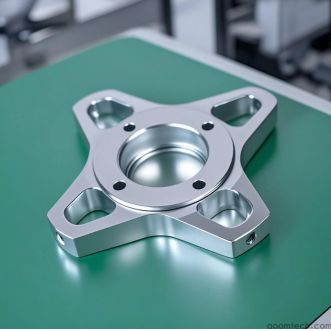
A strong supplier should have a wide range of fully automatic CNC machines, including CNC lathes, CNC milling machines, and multi-axis machining centers.
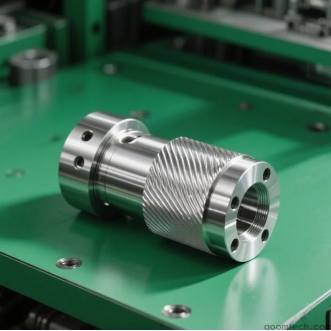
CNC lathes are ideal for cylindrical parts such as shafts and connectors. CNC milling machines handle flat surfaces and complex 3D shapes. Multi-axis machines are essential for high-complexity parts with multiple angles and fine details.
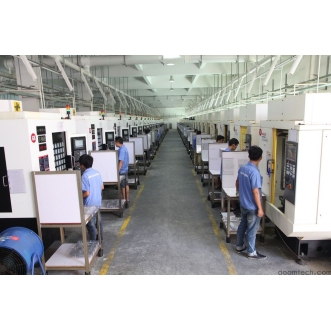
Automation is equally important. Suppliers with robotic loading and unloading systems can maintain continuous production, reduce human error, and improve consistency. This is especially important for large-scale production runs.
Precision and Repeatability
One of the most important factors in evaluating capabilities of fully automatic CNC machining suppliers is their ability to maintain precision and repeatability.
A reliable supplier should consistently produce parts within tight tolerance ranges, even across large batches. This ensures that every part fits and functions correctly in final assemblies.
You can evaluate this by requesting sample parts, reviewing case studies, or checking their measurement reports. High repeatability reduces production risks and improves long-term reliability.
Check Quality Assurance Systems
In-process Quality Control
Strong quality control during production is essential. A professional supplier uses measuring tools such as calipers, micrometers, and Coordinate Measuring Machines (CMM) to monitor part accuracy during machining.
In-process inspection helps detect issues early, such as tool wear or dimensional deviation. For example, if a gear tooth dimension starts drifting during production, early detection prevents the entire batch from becoming defective.
This approach reduces waste and ensures stable production quality.
Final Inspection and Testing
After machining is complete, parts must go through final inspection. This includes dimensional checks, surface roughness testing, and functional testing.
Some parts also require non-destructive testing methods such as ultrasonic inspection or magnetic particle testing to detect internal defects.
For example, hydraulic components may undergo pressure testing, while metal parts may require hardness testing to ensure durability.
A supplier with strong quality assurance in fully automatic CNC machining suppliers will always provide detailed inspection reports for each batch.
Review Experience and Technical Expertise
Industry Experience
Experience matters greatly in CNC machining. Suppliers familiar with industries like automotive, aerospace, electronics, or medical manufacturing understand strict industry standards and expectations.
For example, aerospace suppliers must follow strict material traceability and heat treatment requirements. Medical suppliers must ensure biocompatibility and high cleanliness standards.
Asking for past project examples or case studies can help you evaluate whether the supplier has relevant experience.
Fully Automatic CNC Machining Expertise
Modern CNC machining requires advanced programming, tooling knowledge, and process optimization skills. Suppliers with strong technical expertise can reduce machining time, improve accuracy, and lower production costs.
For example, optimized tool paths and advanced CAM programming can significantly reduce cycle time for complex parts while maintaining high precision.
Consider Cost-effectiveness and Delivery Performance
Price Quotes and Transparency
Always request detailed quotations from multiple suppliers. A reliable quote should clearly show material costs, machining costs, tooling charges, and any additional services.
Be careful with extremely low prices, as they may indicate lower quality materials or reduced inspection standards. Instead, focus on balanced cost and quality.
Good negotiation practices include discussing volume discounts and asking for cost breakdowns to understand pricing structure.
Delivery Time and Reliability
On-time delivery is critical for production planning. Delays in machining can affect entire assembly lines and cause financial losses.
A reliable supplier should provide realistic lead times and have enough production capacity to handle urgent orders or unexpected changes.
Checking customer feedback or references can help you understand their delivery reliability in real-world conditions.
Assess Customer Service and Communication
Responsiveness
Good communication is essential when working with a machining supplier. A professional supplier responds quickly to questions about design, materials, and production schedules.
Poor communication often leads to misunderstandings, delays, and costly mistakes. During early communication, pay attention to how fast and clearly they respond.
Collaboration and Flexibility
A reliable supplier should be open to collaboration. They should help improve part design, suggest cost-saving adjustments, and adapt to changes when needed.
This flexibility is especially valuable during prototype development or design optimization stages. It often leads to better product performance and lower production costs.
This is a key part of customer service in choosing a fully automatic CNC machining supplier, as strong communication directly impacts project success.
Final Thoughts
Choosing the right CNC partner is not only about price. It is about capability, quality, communication, and reliability. A well-chosen supplier can improve product quality, reduce production risks, and support long-term business growth.
When applying the principles in this guide on How to Choose a Reliable Fully Automatic CNC Machining Supplier, always evaluate technical strength, quality systems, and service performance together. A balanced decision will help ensure stable and efficient manufacturing results.
 How to Ensure Precision in CNC
 Small Batch Precision CNC Mach
 What surface finish can CNC ma
 CNC Machining Tolerance Settin