


CNC Machining Aluminum vs Steel: Which Material Is Right for Your Project?
CNC Machining Aluminum vs Steel: Which Material Is Right for Your Project?
I spend a lot of time helping buyers decide between aluminum and steel for their CNC machined parts. It sounds like a simple choice, but the wrong pick can cost you twice as much as necessary — or worse, cause a part failure down the line. The good news is, once you understand how these materials behave on the machine and in the field, the decision becomes straightforward.
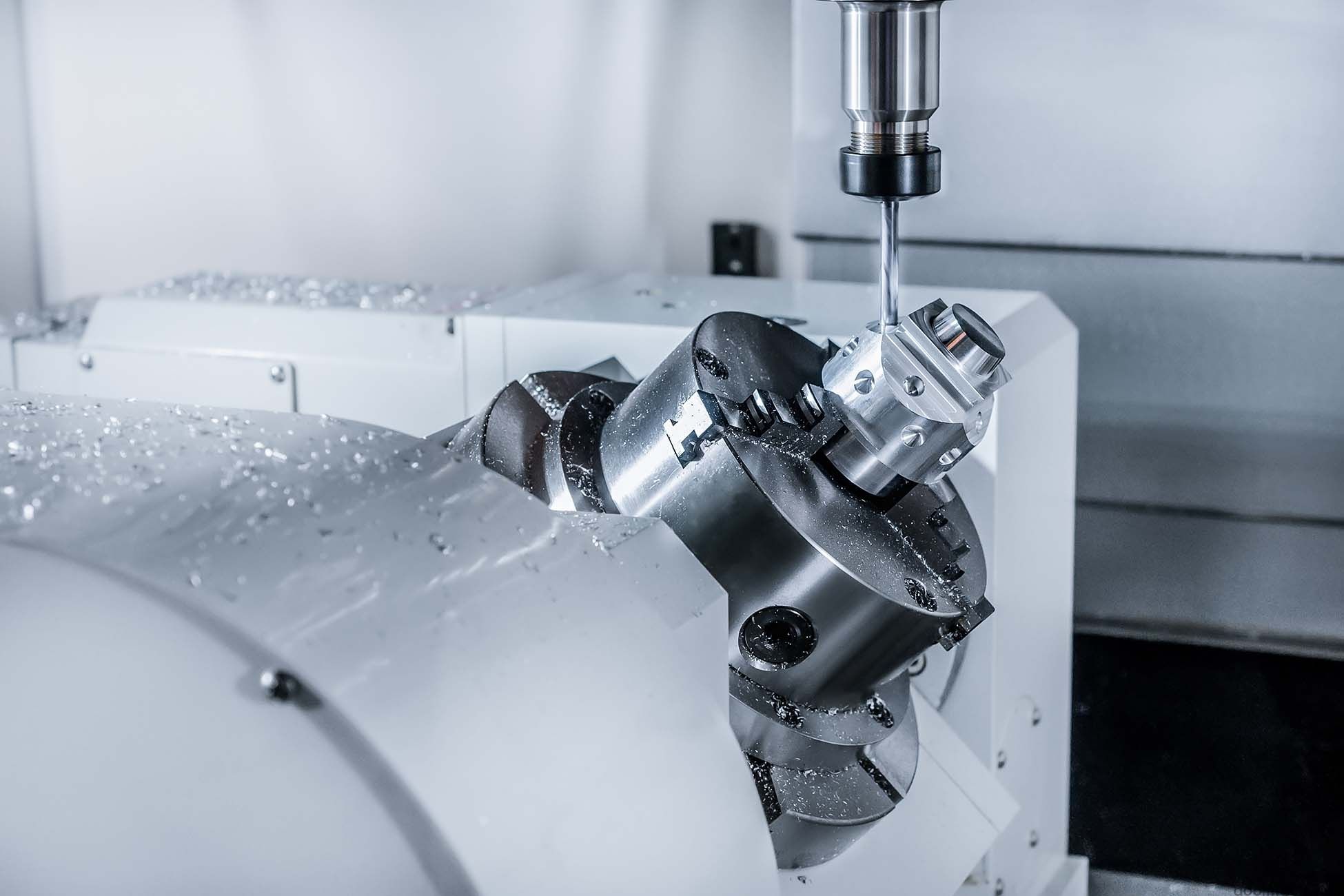
Aluminum Alloys: What You Get
6061-T6 aluminum is the workhorse of CNC machining. It's the material we cut most often at our shop, for good reason. It machines fast, holds tight tolerances well, and costs less than most alternatives. For prototyping and functional parts where weight matters, it's usually the right call.
7075 aluminum is a step up in strength — roughly equivalent to mild steel in tensile strength, but at one-third the weight. We use it for aerospace brackets, racing components, and any application where every gram counts. It costs more than 6061 and is slightly harder on tooling, but still machines far faster than any steel grade.
One thing I always tell clients: aluminum's natural corrosion resistance is a real advantage. Most grades don't need any coating for indoor use. If you do want a finish, clear anodize is inexpensive and gives you a clean, professional look.
Steel Alloys: When You Need the Muscle
Steel comes into the picture when strength, stiffness, or wear resistance are the priority. 1018 carbon steel is the most economical option — good for structural brackets, machine bases, and parts that won't see high stress.
4140 alloy steel is tougher. We see it used for shafts, gears, and heavy-duty mechanical components that need heat treatment. Stainless steels — 303, 304, 316 — are chosen for corrosion resistance, food processing equipment, marine hardware, and medical devices.
The trade-off is real. Steel takes longer to machine, wears out cutting tools faster, and costs more per cubic inch. But sometimes nothing else will do. I worked with a client recently who had designed a lifting bracket in aluminum to save weight. After the first batch failed during load testing, they switched to 4140 steel. The part weight went up, but it passed every test and has been in service for two years without issues.
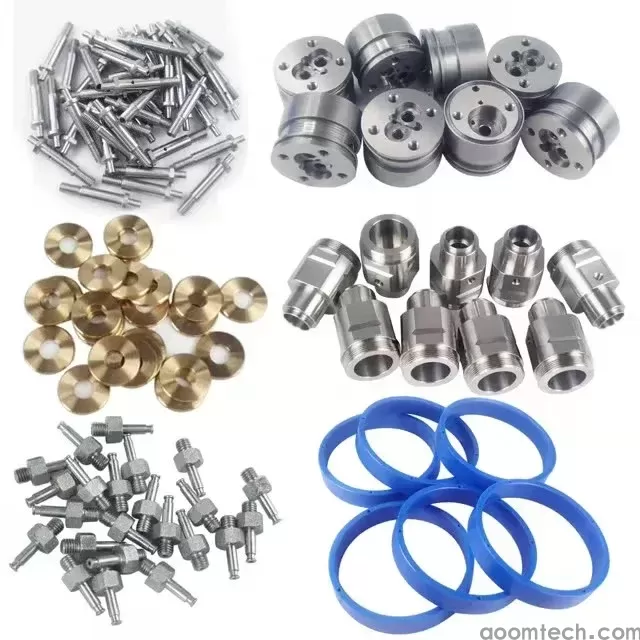
Cost Comparison That Matters
Here's a comparison from a real job we quoted recently — a simple mounting bracket, 100 pieces:
- Aluminum 6061: $12.50 per piece (material $2.00 + machining $8.50 + clear anodize $2.00)
- Steel 1018: $18.20 per piece (material $1.50 + machining $14.70 + no finish needed)
Aluminum is 30 percent cheaper per part in this example. But if the application requires heat treatment or the part will see abrasive wear, steel is the only option regardless of cost.
Quick Decision Guide
Choose aluminum when:
- Weight matters — aerospace, automotive, portable equipment
- You need fast turnaround on prototypes
- Thermal dissipation is important — heat sinks, LED housings
- You want an anodized finish in a specific color
- Cost per part is the primary concern
Choose steel when:
- The part carries structural or safety-critical loads
- Wear resistance is essential — shafts, gears, bearings
- Operating temperatures exceed 150°C (300°F)
- The part needs to be welded or heat treated
- Stiffness is more important than weight
How We Handle Both at AOOM
With 60+ CNC machines in our facility, we run aluminum and steel jobs side by side every day. Our programmers optimize feeds and speeds for each material — high-speed machining with proper coolant for aluminum, chip-breaking strategies for steel. Both materials hold ±0.01mm tolerances reliably on our machines.
If you're unsure which material fits your project, send your CAD files to chen@aoomtech.com. We'll quote both options and give you our honest recommendation based on your application. Most quotes go out within 24 hours.
 CNC Machining Aluminum vs Stee
 Small Batch Precision CNC Mach
 How to Ensure Precision in CNC
 How to Calculate CNC Machining