


What to Look for in a Large CNC Machining Center for Contract Work?
What to Look for in a Large CNC Machining Center for Contract Work
I've worked with dozens of clients who thought they found the right shop for their oversized parts. Then the call comes — "We can't fit it on our table" or "The spindle can't handle that cut." It's frustrating, and it's avoidable.
Let me walk you through what I tell every client who asks about large CNC machining centers for contract work. These are the questions that separate the shops that deliver from the ones that waste your time.
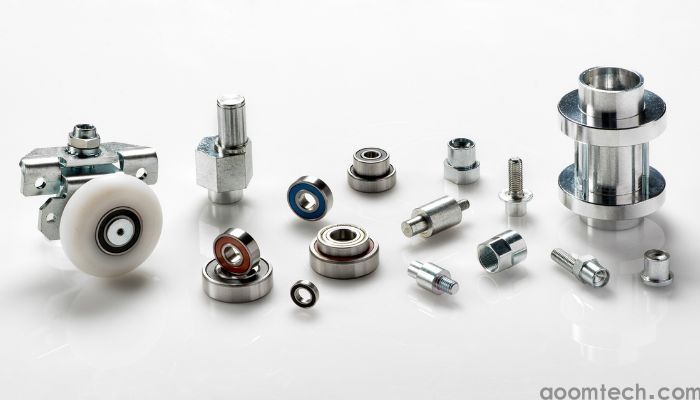
Does Their Machine Actually Fit Your Part?
This sounds basic, but you'd be surprised how often it gets skipped. Don't just ask if they have a "large" machine. Get the exact X, Y, Z travel dimensions. Your part needs room plus a safety margin for fixturing and tool clearance.
Table capacity matters just as much. A machine might have the space, but can it support a 5-ton steel block? We see clients who forget to check the weight limit. That mistake can delay a project by weeks while they find another shop.
Spindle power is the third leg of this stool. Tough materials eat horsepower. A weak spindle means slow cuts, bad finishes, and potential damage to the part. I always tell clients: check these three numbers before you sign anything.
How Do They Verify Precision on Big Parts?
Large parts cost more to scrap. A mistake on a 2-meter housing isn't like losing a small bracket. So how does the shop catch errors?
I look for shops that inspect during machining, not just at the end. When they measure critical features while the part is still on the table, they can fix problems before the part comes off. That's the difference between a save and a redo.
Ask if they provide inspection reports. A shop that documents its work is a shop that stands behind it. We give every client a full report with every large-part order. It's the minimum you should accept.
Does the Shop Know Your Material?
This one trips up a lot of buyers. A shop that crushes aluminum work might struggle with stainless or titanium. The tooling, speeds, and feeds are completely different.
Tell them exactly what material you're machining. Ask for examples of similar work. If they've only worked with aluminum and your part is Inconel, you're talking to the wrong shop.
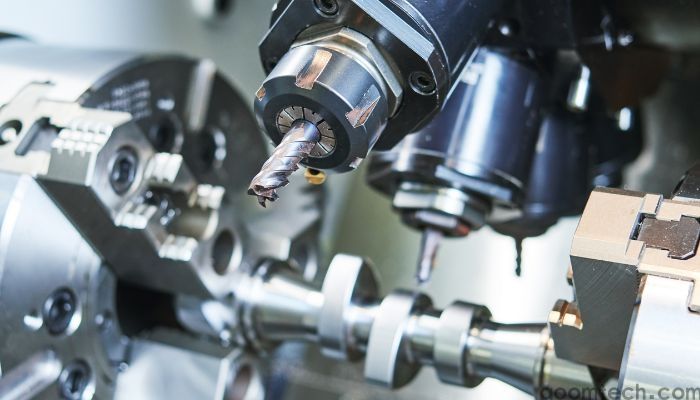
Communication Is the Hidden Factor
Here's what I've learned the hard way: slow communication during the quote phase predicts slow communication during production. Every time.
You want a single point of contact. Not a sales person who forwards emails to engineering who forwards to production. One person who owns your project start to finish.
I also watch for how they handle problems. Every shop has issues sometimes. The good ones call you before you call them. They present solutions, not just bad news. That proactive attitude is worth more than any machine spec.
Trust Experience, Not Just Equipment
The CNC machine is just a tool. The people programming, setting up, and running it make the real difference. I've seen brand-new machines produce scrap because the operator didn't understand the material. I've also seen older machines hit incredible tolerances because the programmer knew every quirk of the setup.
When you're evaluating a large CNC machining center for contract work, you're really evaluating the team behind it. Ask about their experience, their engineering support, and how they handle rush changes.
Send your CAD files to chen@aoomtech.com for a quote within 24 hours.
 CNC Machining Aluminum vs Stee
 Small Batch Precision CNC Mach
 How to Ensure Precision in CNC
 How to Calculate CNC Machining