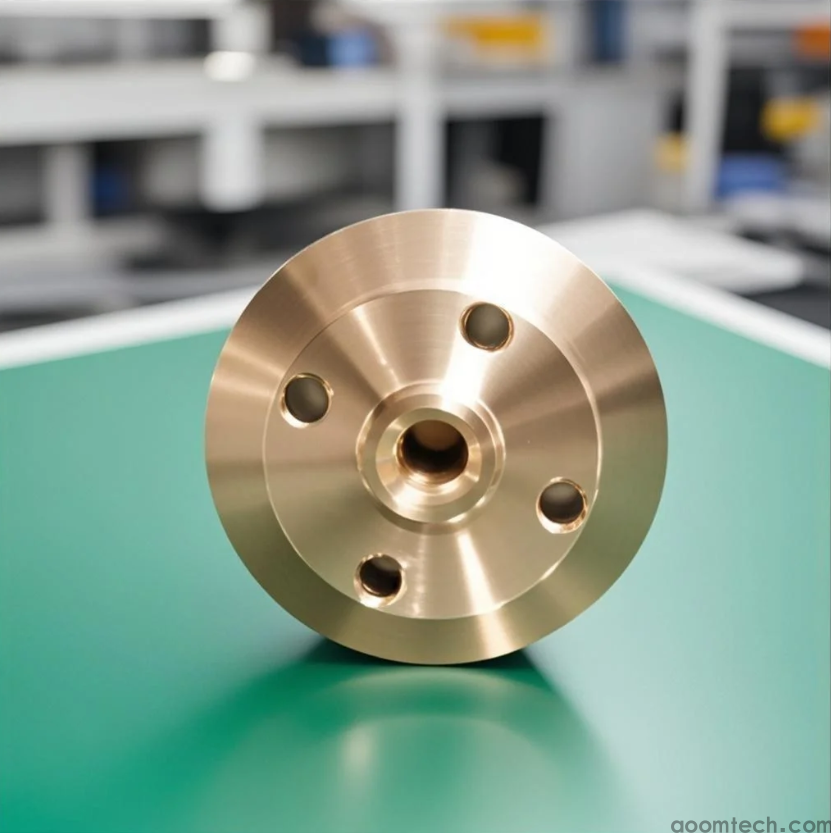
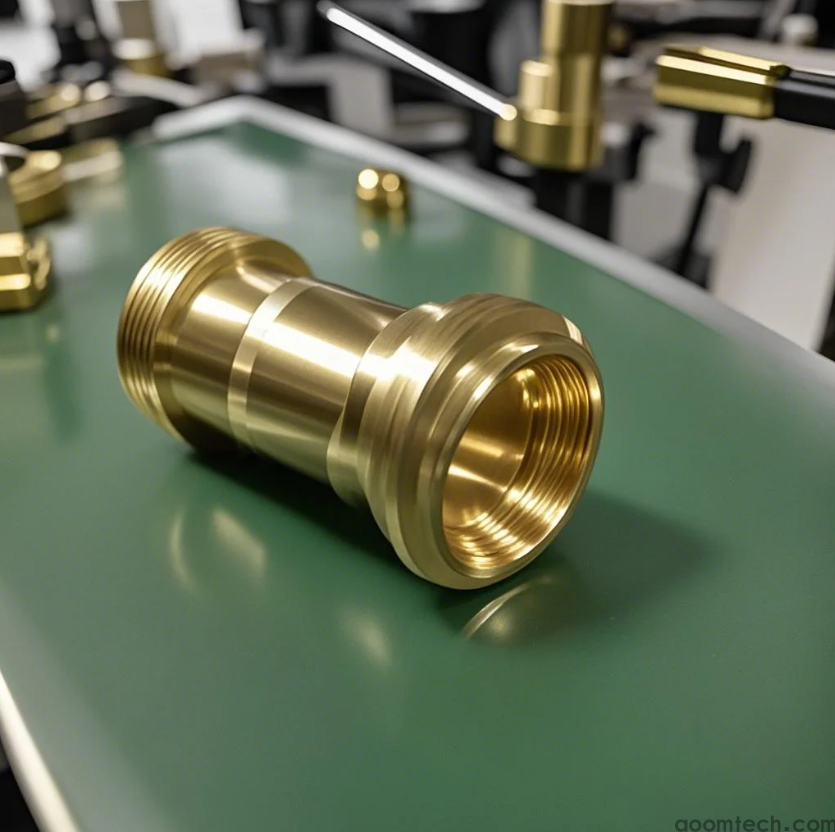
CNC Machining Service for Copper Shafts
CNC Machining Service for Copper Shafts: Precision Manufacturing for High-Performance Applications
Choosing a reliable CNC Machining Service for Copper Shafts can be challenging. Many buyers worry about machining accuracy because even a small dimensional error can affect shaft alignment, rotation, conductivity, or equipment performance. Others are concerned about the relatively high cost of copper materials, material waste during machining, and long production lead times for custom components.
Copper is valued for its excellent electrical conductivity, thermal conductivity, and corrosion resistance. However, achieving precise dimensions and smooth surface finishes requires proper machining expertise. A professional CNC machining supplier can help reduce production risks, improve product quality, and ensure that copper shafts meet exact application requirements.
What Is a CNC Machining Service for Copper Shafts?
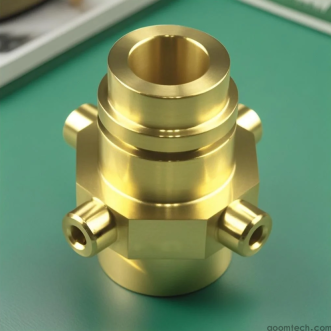
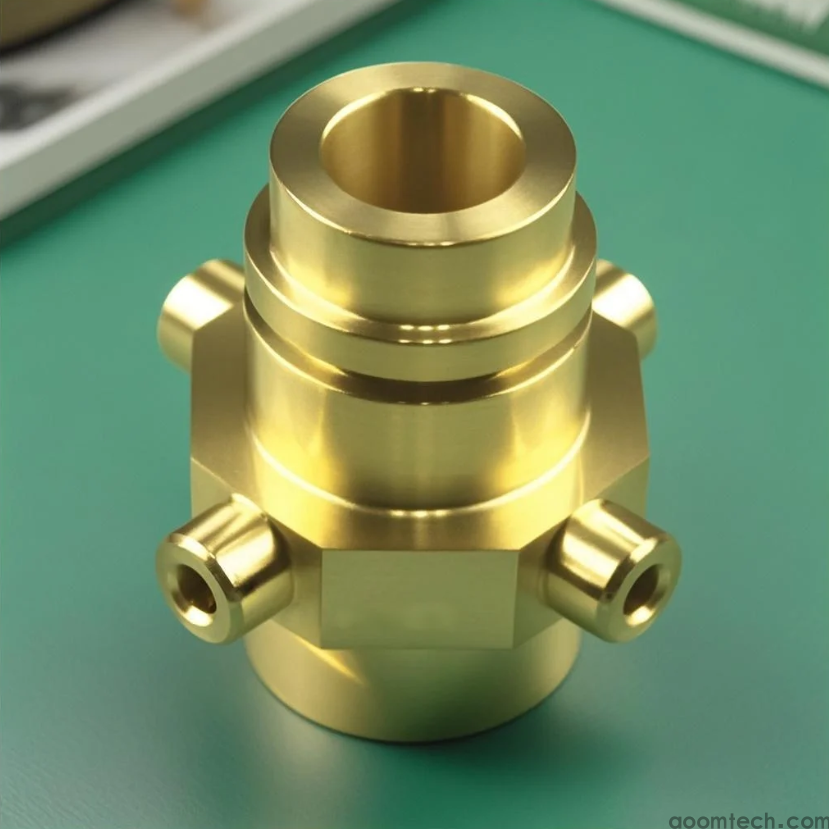
A CNC Machining Service for Copper Shafts uses advanced computer-controlled equipment to manufacture copper shaft components according to precise drawings and specifications. CNC machining allows manufacturers to produce shafts with tight tolerances, consistent quality, and repeatable accuracy.
Copper shafts are commonly used in:
Electrical equipment and power systems
Electric motors and generators
Industrial machinery
Renewable energy systems
Telecommunication equipment
Automotive electrical applications
Custom mechanical assemblies
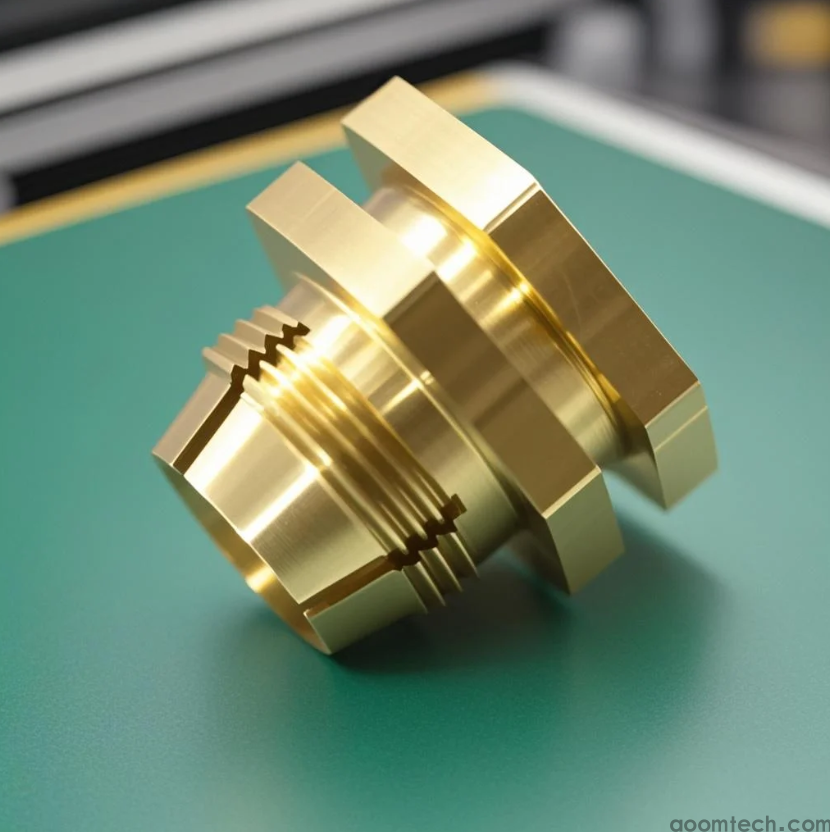
Depending on the application, copper shafts may require turning, milling, drilling, threading, grooving, or surface finishing operations.
Common Challenges When Machining Copper Shafts
Maintaining Tight Tolerances
Many shaft applications require accurate diameters, concentricity, and straightness. Poor machining accuracy can cause vibration, wear, assembly issues, or reduced performance.
Professional high-precision CNC machining for copper shafts ensures that critical dimensions are consistently maintained throughout production.
Managing Material Costs
Copper is generally more expensive than many other engineering materials. Excessive waste, poor machining strategies, or repeated rework can significantly increase production costs.
A cost-effective CNC machining for copper shaft components focuses on efficient programming, optimized cutting parameters, and material utilization to control overall project expenses.
Preventing Surface Damage
Copper is relatively soft compared to steel. Improper machining can leave scratches, burrs, tool marks, or deformation that may affect performance and appearance.
Meeting Delivery Schedules
Many projects require fast turnaround times. Manufacturers with modern CNC equipment and experienced machinists can shorten lead times while maintaining quality standards.
The CNC Machining Process for Copper Shafts
Engineering Review
The process begins with a detailed review of customer drawings, tolerances, material specifications, and application requirements. Engineers evaluate the most efficient machining strategy before production starts.
Material Preparation
High-quality copper bars or blanks are selected based on mechanical, electrical, and thermal performance requirements.
CNC Turning Operations
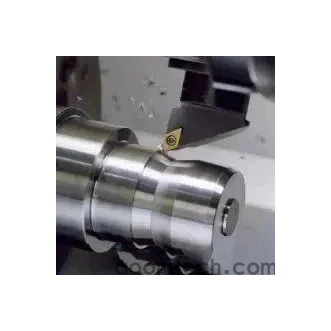
CNC turning is typically the primary process used to manufacture copper shafts. The rotating workpiece is machined to achieve precise diameters, shoulders, grooves, and other shaft features.
Secondary Machining
Additional operations may include:
Drilling
Milling keyways
Thread cutting
Cross-hole machining
Slot machining
Custom feature creation
Surface Finishing
Depending on customer requirements, copper shafts may undergo polishing, deburring, cleaning, or protective surface treatments to improve performance and appearance.
Final Inspection
Finished parts are inspected to verify dimensional accuracy, surface quality, and compliance with drawing specifications before shipment.
Suitable Copper Alloys for Shaft Applications
Different copper grades provide different performance characteristics. Selecting the right alloy is essential for achieving the desired balance between conductivity, strength, and machinability.
Pure Copper (C110)
Excellent electrical conductivity
Outstanding thermal conductivity
Commonly used for electrical applications
Tellurium Copper (C145)
Improved machinability
High electrical conductivity
Suitable for precision-machined components
Chromium Copper (C182)
Higher strength than pure copper
Good wear resistance
Used in demanding industrial applications
Beryllium Copper
High strength and hardness
Excellent fatigue resistance
Suitable for specialized engineering applications
The appropriate alloy should be selected based on operating conditions, load requirements, conductivity needs, and environmental factors.
Quality Control Measures for Copper Shaft Performance
Reliable quality control is essential for ensuring shaft functionality, durability, and long-term performance.
Material Verification
Incoming raw materials are checked to confirm alloy composition and compliance with project specifications.
In-Process Inspection
Critical dimensions are measured during production to identify and correct deviations before they affect final quality.
Dimensional Accuracy Testing
Inspection equipment may include:
Coordinate Measuring Machines (CMM)
Micrometers
Dial indicators
Height gauges
Optical measuring systems
Straightness and Concentricity Checks
These inspections help ensure smooth shaft rotation and reliable assembly performance.
Surface Quality Inspection
Finished parts are examined for burrs, scratches, dents, and surface defects that could affect operation.
Advantages of CNC Machining for Copper Shafts
Excellent Precision
High-precision CNC machining for copper shafts delivers tight tolerances and consistent dimensional accuracy for demanding applications.
Repeatable Quality
CNC-controlled processes ensure that every shaft is produced according to the same specifications, even across large production volumes.
Custom Design Flexibility
Custom-designed CNC machining for large-diameter copper shafts allows manufacturers to create components with unique dimensions, complex geometries, and specialized features.
Improved Production Efficiency
Automated CNC equipment reduces manual intervention, increases productivity, and shortens manufacturing lead times.
Cost Optimization
A cost-effective CNC machining for copper shaft components minimizes material waste and improves machining efficiency, helping customers control production costs.
Applications of CNC-Machined Copper Shafts
Motor shafts
Generator components
Electrical transmission systems
Transformer equipment
Industrial automation machinery
Power distribution equipment
Renewable energy systems
Custom electrical assemblies
These applications often require excellent conductivity, dimensional stability, and long-term reliability.
How to Select the Right CNC Machining Partner
Evaluate experience with copper machining projects.
Review available CNC turning and milling capabilities.
Confirm tolerance and inspection capabilities.
Assess quality management procedures.
Check available copper alloy options.
Review previous project examples and case studies.
Ensure clear communication and engineering support.
An experienced machining supplier can help optimize designs, reduce manufacturing costs, and improve overall product performance.
Conclusion
A professional CNC Machining Service for Copper Shafts helps manufacturers achieve accurate dimensions, reliable performance, efficient production, and consistent quality. By combining advanced CNC technology, proper material selection, strict quality control, and experienced engineering support, copper shafts can be manufactured to meet demanding industrial and electrical requirements.
To learn more about available solutions, explore our copper shaft product catalog, custom machining service pages, material capability guides, and customer case studies. These resources can help you compare manufacturing options, evaluate copper alloy choices, and identify the best machining solution for your next copper shaft project.
RELATED PRODUCTS
-
CNC Machining Service for Copper Shafts
-
Precision CNC Turning Service
-
CNC Machining Service for Stainless Stee
-
CNC Machining Service for Motor Parts
-
Custom CNC Machining Service for Non-sta
-
Kitchenware Parts CNC Machining Services
-
CNC Machining Service for Stainless Stee
-
Mass CNC Machining Service for Precision
-
CNC Milling Service for Precision Parts
-
CNC Machining Service for Precision Auto