Precision CNC Turning Service
Precision CNC Turning Service: High-Accuracy Machined Parts for Demanding Applications
Finding a reliable Precision CNC Turning Service can be difficult when your project requires tight tolerances, consistent quality, and competitive pricing. Many buyers worry about whether a supplier can achieve the required precision, maintain quality across production batches, and deliver parts on time. Others face challenges with high manufacturing costs, material selection, or communication problems during custom projects.
If your parts must fit perfectly, perform reliably, and meet strict specifications, choosing the right CNC turning partner is critical. A professional precision CNC turning supplier can help reduce production risks, improve product performance, and control manufacturing costs.
What Is a Precision CNC Turning Service?
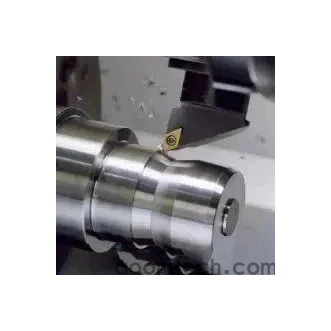
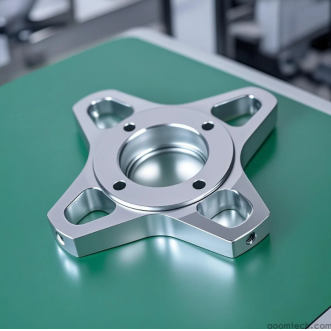
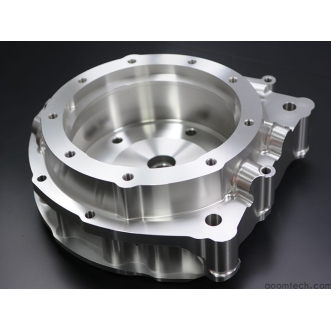
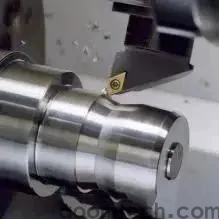
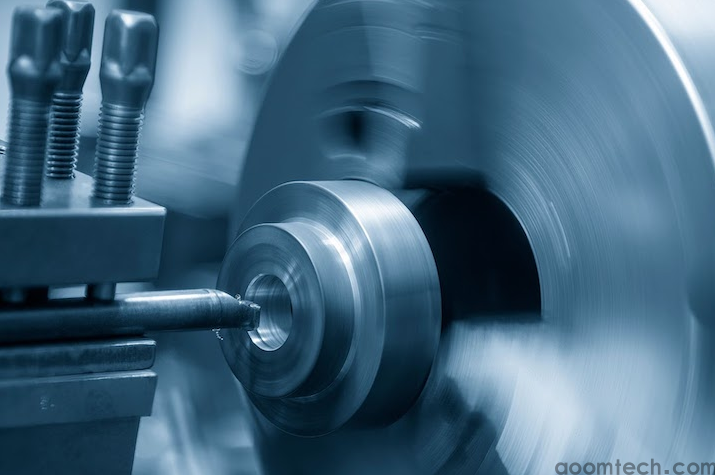
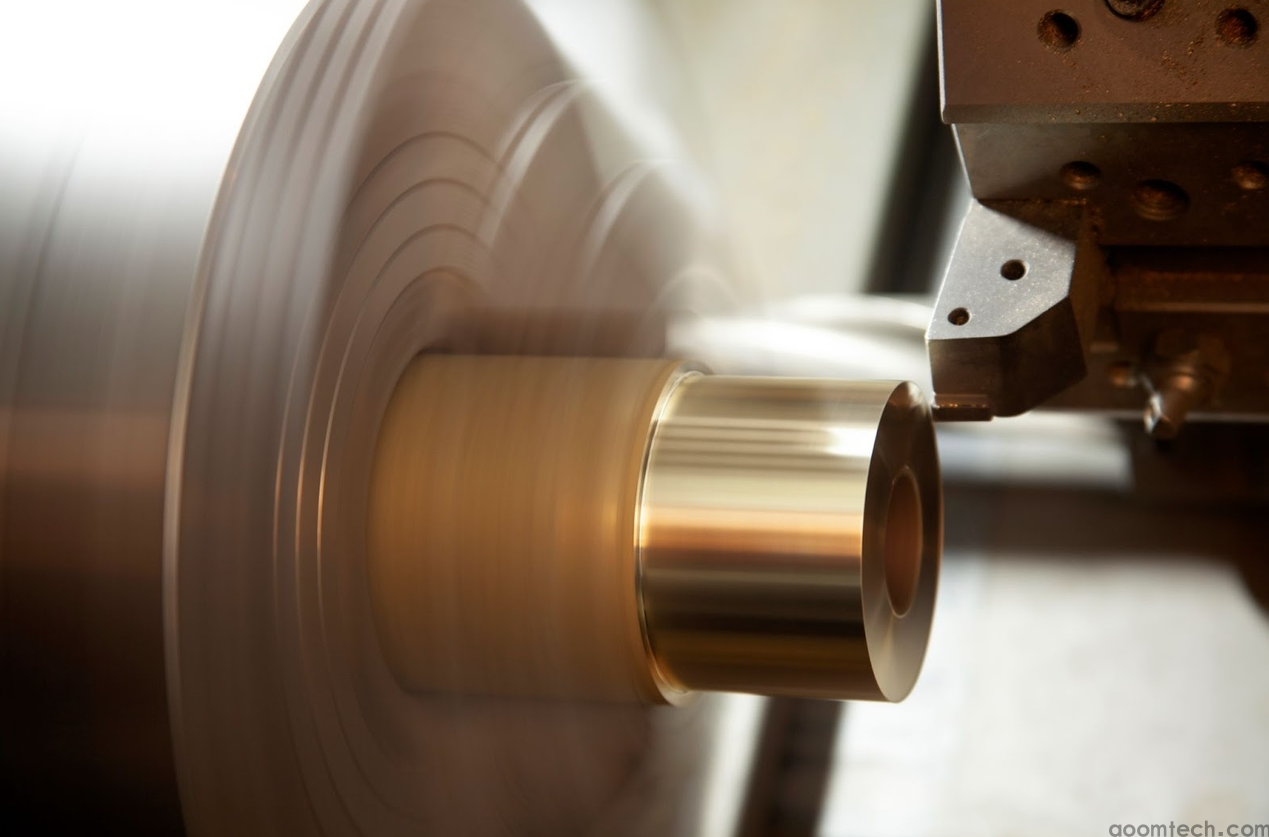
A Precision CNC Turning Service uses computer-controlled lathes to manufacture cylindrical or round components with exceptional accuracy. During the process, the workpiece rotates while cutting tools remove material to create the desired shape and dimensions.
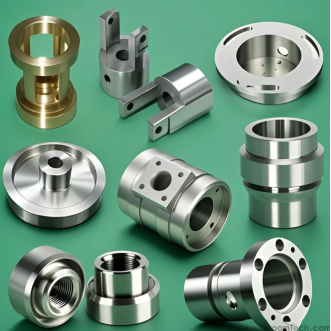
Precision CNC turning is widely used for producing:
Shafts and pins
Bushings and sleeves
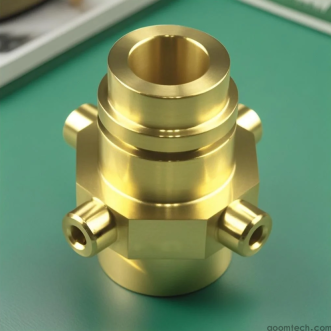
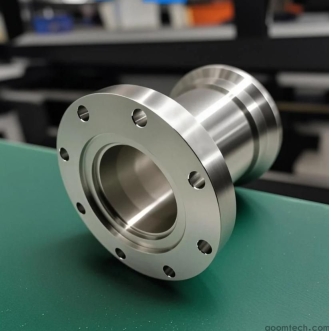
Connectors and fittings
Valve components
Medical device parts
Automotive components
Aerospace precision parts
Electronic hardware and housings
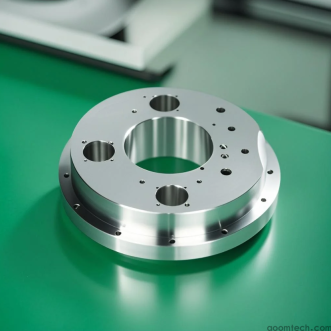
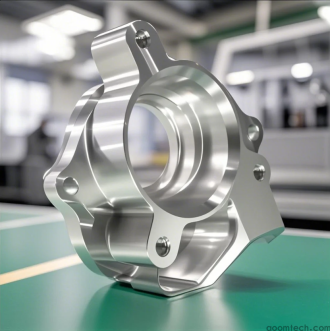
Modern CNC turning equipment can achieve tight tolerances and excellent surface finishes, making it suitable for industries where accuracy is essential.
Common Challenges Customers Face When Ordering Precision Turned Parts
1. Difficulty Achieving Required Tolerances
Many applications require tolerances as tight as ±0.005 mm or even tighter. Poor machining accuracy can lead to assembly problems, product failures, and increased production costs.
A reliable provider of high-accuracy precision CNC turning uses advanced CNC machines, calibrated measuring equipment, and strict process controls to ensure dimensional consistency.
2. High Manufacturing Costs
Precision machining is often associated with higher production costs. However, efficient programming, optimized tooling, and proper production planning can significantly reduce expenses.
A professional cost-effective precision CNC turning service focuses on minimizing material waste, reducing setup times, and improving machining efficiency without sacrificing quality.
3. Long Lead Times
Production delays can affect product launches and customer commitments. Manufacturers with modern equipment, experienced engineers, and streamlined workflows can shorten production cycles and deliver parts faster.
4. Inconsistent Quality Between Batches
Customers often experience variations in dimensions or surface finish when suppliers lack proper quality systems. Consistent inspection procedures and documented manufacturing processes help ensure repeatable quality.
How the Precision CNC Turning Process Works
Design Review – Engineers evaluate drawings, tolerances, materials, and functional requirements.
Material Preparation – Raw material bars or blanks are selected according to project specifications.
CNC Programming – Tool paths are generated using CAD/CAM software to achieve precise machining results.
Machining Operations – Turning, facing, drilling, boring, grooving, threading, and other processes are completed on CNC lathes.
Inspection and Testing – Critical dimensions are verified using precision measuring instruments.
Surface Finishing – Optional treatments such as polishing, anodizing, plating, passivation, or coating are applied.
Final Packaging and Delivery – Parts are carefully packed to prevent damage during transportation.
Material Options for Precision CNC Turning
Selecting the right material is important for performance, durability, and manufacturing efficiency.
Aluminum
Lightweight and corrosion-resistant
Excellent machinability
Suitable for aerospace, electronics, and industrial products
Stainless Steel
High strength and corrosion resistance
Ideal for medical, food processing, and marine applications
Available in grades such as 303, 304, 316, and 17-4 PH
Carbon Steel and Alloy Steel
Excellent mechanical properties
Suitable for automotive and industrial machinery
Cost-effective for many engineering applications
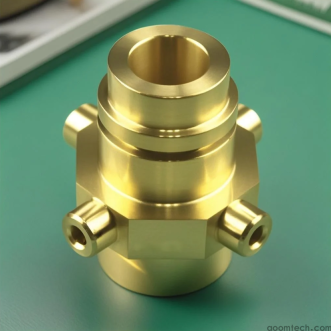
Brass and Copper
Excellent electrical conductivity
Good corrosion resistance
Commonly used for electrical and plumbing components
Engineering Plastics
POM, PTFE, Nylon, PEEK, and ABS
Lightweight and chemically resistant
Suitable for medical, electronic, and industrial applications
Material selection should always consider operating conditions, strength requirements, corrosion resistance, and budget.
Quality Control Measures in Precision CNC Turning
Quality control is one of the most important factors when selecting a Precision CNC Turning Service.
Incoming Material Inspection
Raw materials are verified before production to ensure compliance with specifications.
In-Process Inspection
Critical dimensions are checked during machining to detect and correct issues before they affect production.
Final Dimensional Verification
Finished parts undergo comprehensive inspection using precision measuring tools such as:
Coordinate Measuring Machines (CMM)
Digital micrometers
Height gauges
Bore gauges
Optical measuring systems
Process Documentation
Inspection records and manufacturing reports provide traceability and help maintain consistent quality across production runs.
Benefits of Precision CNC Turning
Exceptional Accuracy
Precision CNC turning produces parts with tight tolerances and consistent dimensions, reducing assembly problems and improving product reliability.
Excellent Surface Finish
Advanced machining techniques create smooth surfaces that often require minimal secondary processing.
Fast Production Speed
Automated CNC systems improve manufacturing efficiency and reduce lead times.
Scalability
Whether you need prototypes, low-volume production, or large manufacturing runs, CNC turning can support various production quantities.
Custom Manufacturing Flexibility
Custom-designed precision CNC turning for small parts allows manufacturers to produce specialized components according to unique customer requirements.
Cost Savings
A well-managed cost-effective precision CNC turning service reduces waste, lowers labor costs, and improves production efficiency.
Industries That Depend on Precision CNC Turning
Automotive manufacturing
Aerospace engineering
Medical equipment
Industrial automation
Electronics and telecommunications
Oil and gas equipment
Fluid control and valve systems
Renewable energy systems
These industries often require high-accuracy precision CNC turning to ensure safety, reliability, and long service life.
How to Choose the Right Precision CNC Turning Supplier
Evaluate machining capabilities and tolerance ranges.
Review quality control procedures and inspection equipment.
Verify experience with your industry and application.
Check available material options and finishing services.
Assess communication speed and engineering support.
Request sample parts or case studies when available.
Compare both quality and total project cost rather than price alone.
A trusted supplier should provide clear technical guidance and help optimize designs for manufacturability and cost efficiency.
Conclusion
A professional Precision CNC Turning Service helps solve common manufacturing challenges such as tight tolerance requirements, production consistency, cost control, and delivery reliability. By combining advanced CNC equipment, experienced engineering support, comprehensive quality control, and appropriate material selection, manufacturers can produce precision components that meet demanding industry standards.
To learn more about available solutions, explore our precision turned parts catalog, custom machining service pages, material capability guides, and project case studies. These resources can help you evaluate manufacturing options, compare materials, and find the most suitable solution for your next precision machining project.
RELATED PRODUCTS
-
CNC Machining Service for Copper Shafts
-
Precision CNC Turning Service
-
CNC Machining Service for Stainless Stee
-
CNC Machining Service for Motor Parts
-
Custom CNC Machining Service for Non-sta
-
Kitchenware Parts CNC Machining Services
-
CNC Machining Service for Stainless Stee
-
Mass CNC Machining Service for Precision
-
CNC Milling Service for Precision Parts
-
CNC Machining Service for Precision Auto