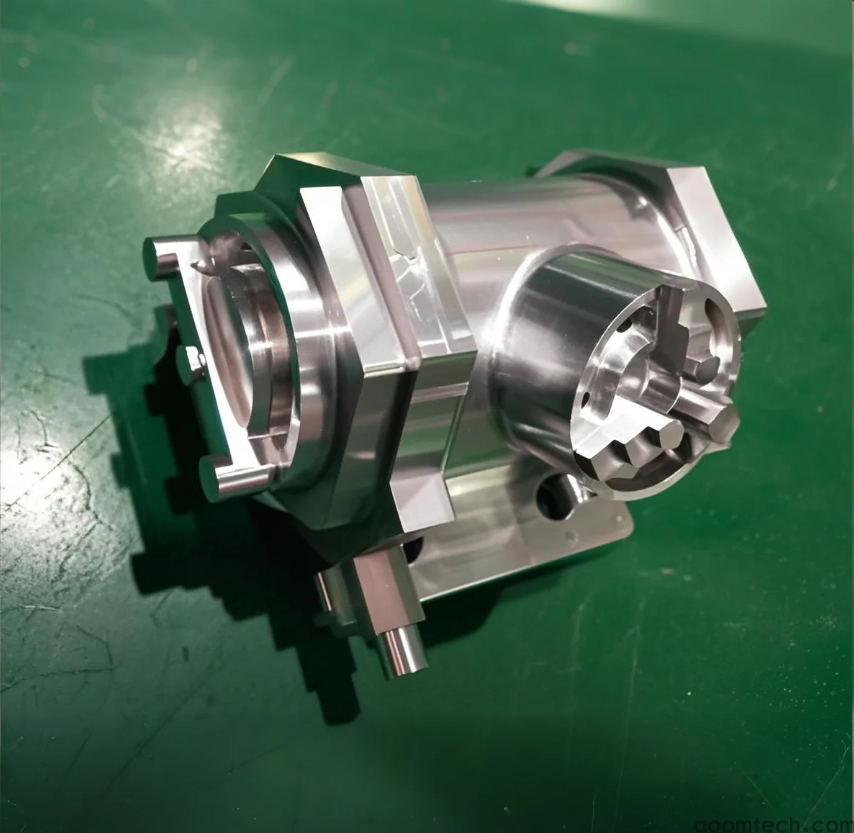
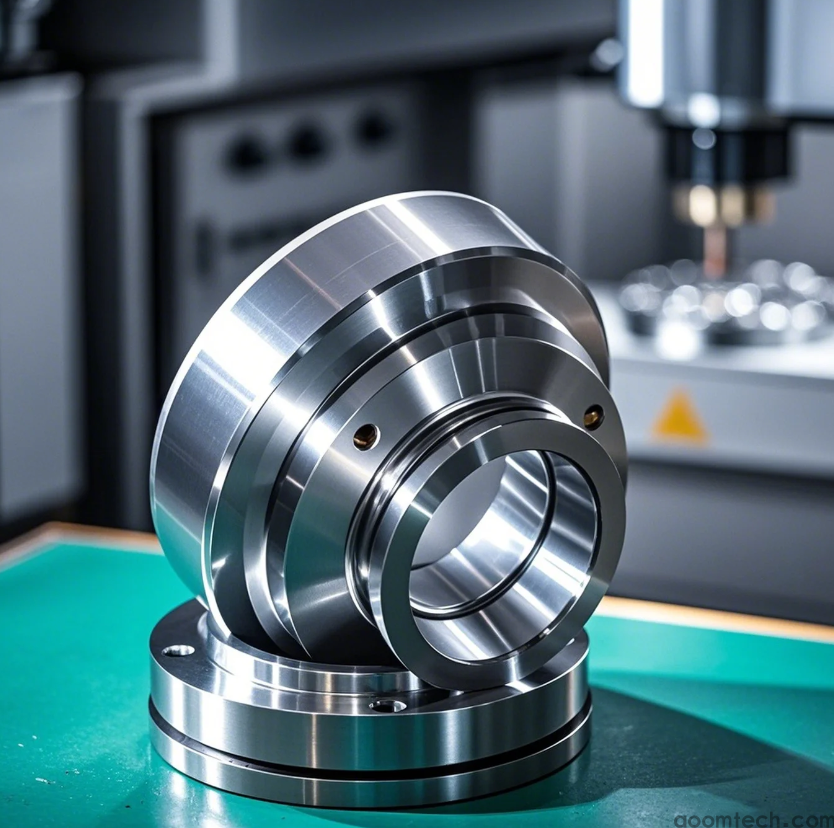
CNC Metal Parts Machining Services
CNC Metal Parts Machining Services
Many buyers face the same challenges when sourcing metal components. Parts arrive with poor dimensional accuracy, surface defects, or inconsistent quality from batch to batch. Some projects require machining aluminum, stainless steel, titanium, or brass, yet selecting the right process can be difficult. Cost is another major concern, especially when balancing precision requirements with production budgets.
CNC metal parts machining services help solve these problems by providing precise, repeatable, and scalable manufacturing solutions. With advanced CNC equipment, experienced engineers, and strict quality control systems, manufacturers can produce complex metal parts that meet demanding industry standards while maintaining cost efficiency.
What Are CNC Metal Parts Machining Services?
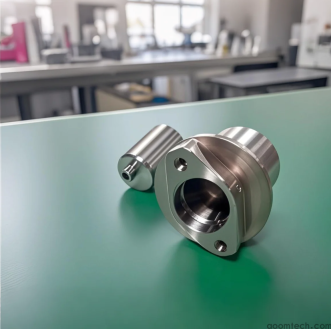
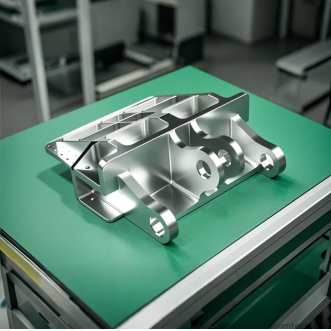
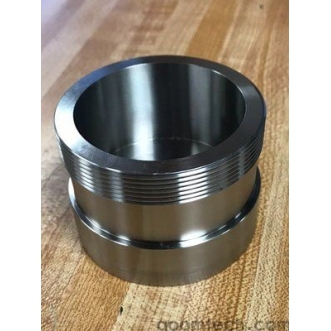
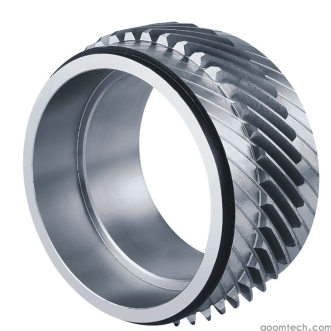
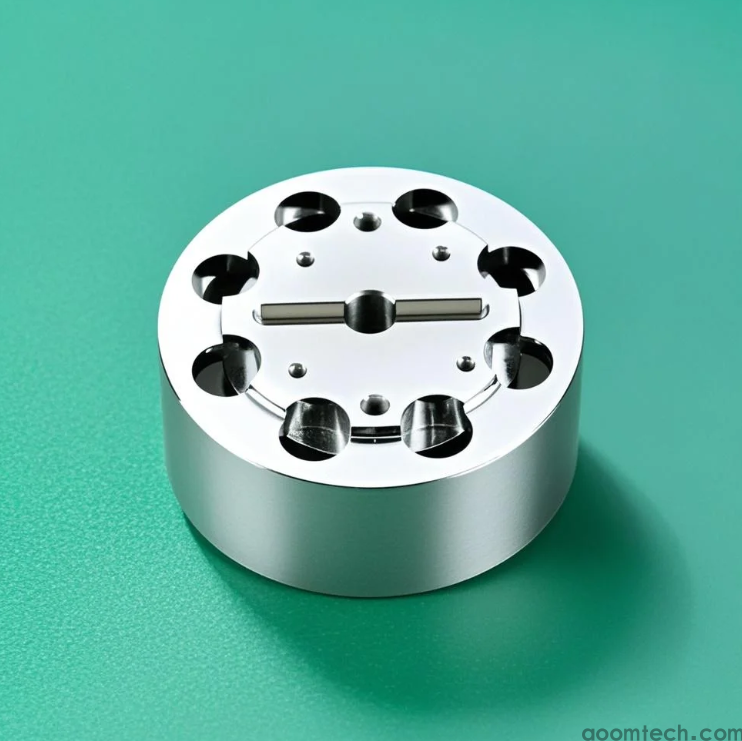
CNC metal parts machining services involve the use of computer-controlled machine tools to manufacture metal components according to CAD designs and engineering specifications. CNC technology automates cutting, drilling, milling, turning, tapping, and finishing operations with high accuracy.
Industries that commonly rely on CNC machining include:
Automotive manufacturing
Aerospace engineering
Industrial automation
Medical device production
Electronics manufacturing
Energy and power equipment
The ability to achieve tight tolerances, complex geometries, and consistent quality makes CNC machining one of the most reliable manufacturing methods for metal parts.
Common Metals Used in CNC Machining
Aluminum
Aluminum is one of the most popular materials for CNC machining. It offers excellent machinability, corrosion resistance, and a high strength-to-weight ratio.
Typical applications include:
Automotive components
Electronic housings
Robotics parts
Aerospace structures
Stainless Steel
Stainless steel provides superior corrosion resistance and durability. It is widely used in environments exposed to moisture, chemicals, or high temperatures.
Common grades include 304, 316, and 17-4PH stainless steel.
Carbon Steel and Alloy Steel
Steel materials are preferred when strength and wear resistance are critical. They are commonly found in industrial machinery, heavy equipment, and structural applications.
Titanium
Titanium combines exceptional strength with low weight and excellent corrosion resistance. Although more challenging to machine, it is frequently used in aerospace, medical, and defense applications.
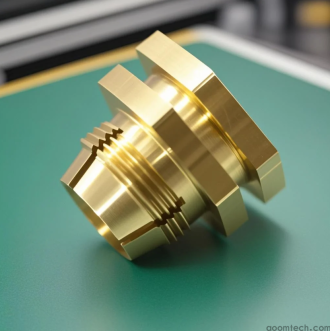
Brass and Copper
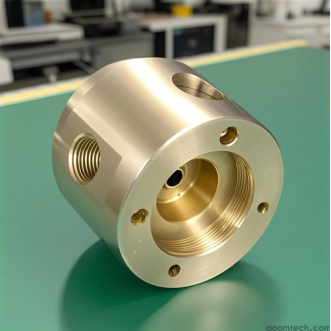
These materials offer excellent electrical conductivity and attractive surface finishes. They are commonly used for electrical connectors, fittings, and decorative components.
Choosing the Right Machining Process for Different Metals
One common customer concern is determining which machining process works best for a specific material. Selecting the wrong process can increase production costs and affect part quality.
CNC Milling
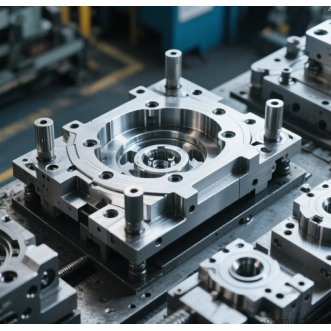
CNC milling removes material using rotating cutting tools. It is ideal for creating complex shapes, pockets, slots, and detailed surfaces.
Best suited for:
Aluminum
Steel
Stainless steel
Titanium
CNC Turning
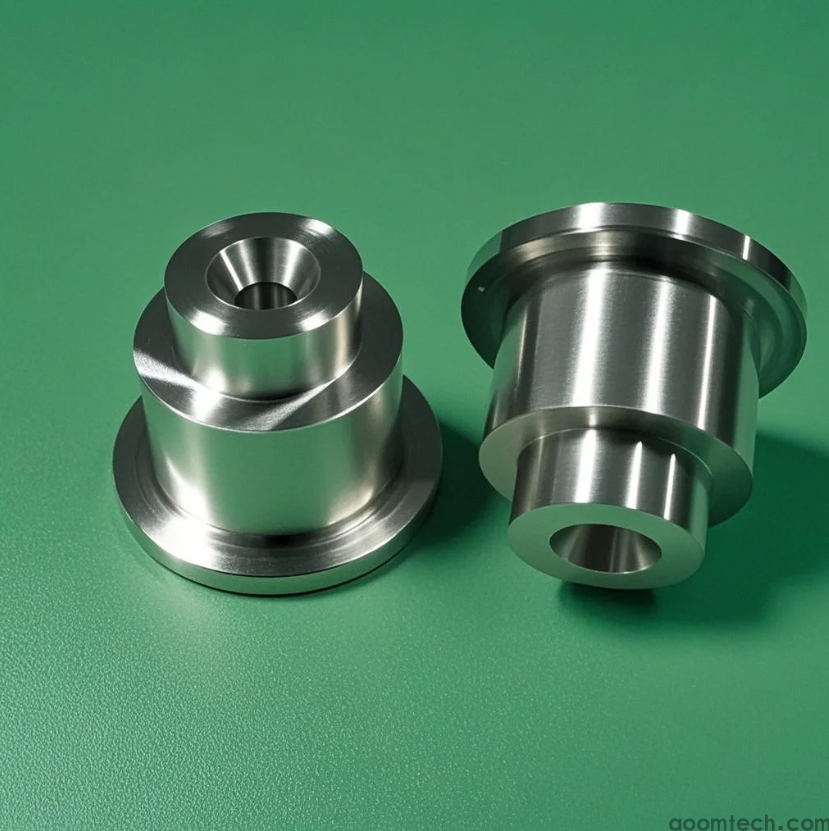
CNC turning rotates the workpiece while cutting tools remove material. It is highly efficient for cylindrical components.
Best suited for:
Shafts
Bushings
Connectors
Valve components
5-Axis CNC Machining
5-axis machining allows simultaneous movement along multiple axes. This reduces setup time and improves accuracy for highly complex geometries.
Industries using this technology include aerospace, medical, and high-performance automotive manufacturing.
Swiss Machining
Swiss machining is ideal for producing small, high-precision parts with tight tolerances. It is commonly used for medical devices and electronic components.
CNC Metal Parts Machining Services for Automotive Engines
CNC metal parts machining services for automotive engines require exceptional precision because engine components operate under high temperatures, pressure, and continuous mechanical stress.
Common automotive engine parts include:
Cylinder heads
Engine blocks
Pistons
Connecting rods
Fuel system components
CNC machining ensures dimensional consistency and repeatability, helping manufacturers maintain engine performance and reliability across large production volumes.
Advantages of CNC Metal Parts Machining in Aerospace Applications
The advantages of CNC metal parts machining in aerospace applications are significant due to the industry's strict safety and performance requirements.
Key benefits include:
Exceptional dimensional accuracy
Ability to machine lightweight materials
Production of complex geometries
Reduced assembly requirements
Consistent quality across production batches
Aerospace components often use aluminum alloys, titanium alloys, and high-performance stainless steels. CNC machining enables manufacturers to meet demanding tolerance requirements while minimizing material waste.
Cost-Effective CNC Metal Parts Machining Services for Industrial Equipment
Manufacturers often seek cost-effective CNC metal parts machining services for industrial equipment without sacrificing quality.
Several factors contribute to reducing production costs:
Design optimization for manufacturability
Efficient material selection
Reduced setup times
Automation of machining operations
Minimized scrap rates
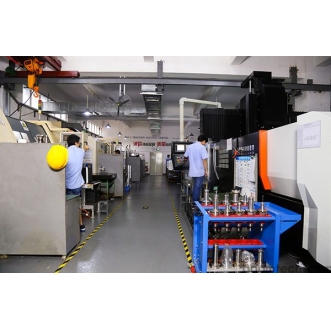
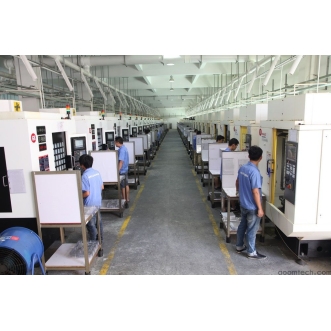
Modern CNC machines can run continuously with minimal operator intervention, helping lower labor costs while maintaining consistent production quality.
For industrial equipment manufacturers, these efficiencies translate into lower total production costs and faster delivery times.
How Quality Control Ensures Reliable Metal Parts
Quality concerns are among the most common reasons buyers switch suppliers. Reliable CNC metal parts machining services rely on robust quality management systems to ensure every part meets specifications.
Material Verification
Incoming raw materials are inspected and certified to verify composition, mechanical properties, and traceability.
In-Process Inspection
Critical dimensions are measured throughout production to detect deviations before they become larger problems.
Coordinate Measuring Machine (CMM) Inspection
CMM equipment provides highly accurate dimensional verification and generates inspection reports for customer approval.
Surface Finish Testing
Surface roughness measurements ensure parts meet appearance and functional requirements.
Final Quality Inspection
Before shipment, finished components undergo comprehensive inspections covering dimensions, visual appearance, and functional characteristics.
How to Select a Reliable CNC Metal Parts Machining Service Provider
Finding the right manufacturing partner can significantly impact project success.
Consider the following factors:
Industry experience and technical expertise
Material processing capabilities
Advanced CNC equipment availability
Quality certifications such as ISO 9001
Inspection and testing capabilities
Engineering support during product development
Lead time performance and production capacity
A supplier with strong engineering knowledge can often recommend design improvements that reduce machining costs while maintaining performance requirements.
Conclusion
CNC metal parts machining services provide an efficient solution for manufacturing high-precision metal components across automotive, aerospace, industrial, medical, and electronics industries. By selecting the appropriate machining process, material, and quality control strategy, manufacturers can achieve reliable performance, consistent quality, and improved cost efficiency.
Whether you need CNC metal parts machining services for automotive engines, want to explore the advantages of CNC metal parts machining in aerospace applications, or require cost-effective CNC metal parts machining services for industrial equipment, partnering with an experienced CNC machining provider can help ensure project success from prototype to full-scale production.
Learn more about our related services:
CNC Machining Services
Precision Metal Parts Manufacturing
5-Axis CNC Machining
Custom Machined Components
RELATED PRODUCTS
-
CNC Machined Sensor Components Services
-
CNC Precision Metal Machining Services
-
CNC Machining Production Services
-
CNC Lighting Housing Processing Services
-
Cost-Optimized CNC Turning Services
-
CNC Contract Manufacturing Services
-
CNC Large Part Machining Services
-
Precision Copper CNC Machining Services
-
CNC Copper Machining Services
-
Precision Mold CNC Machining Services