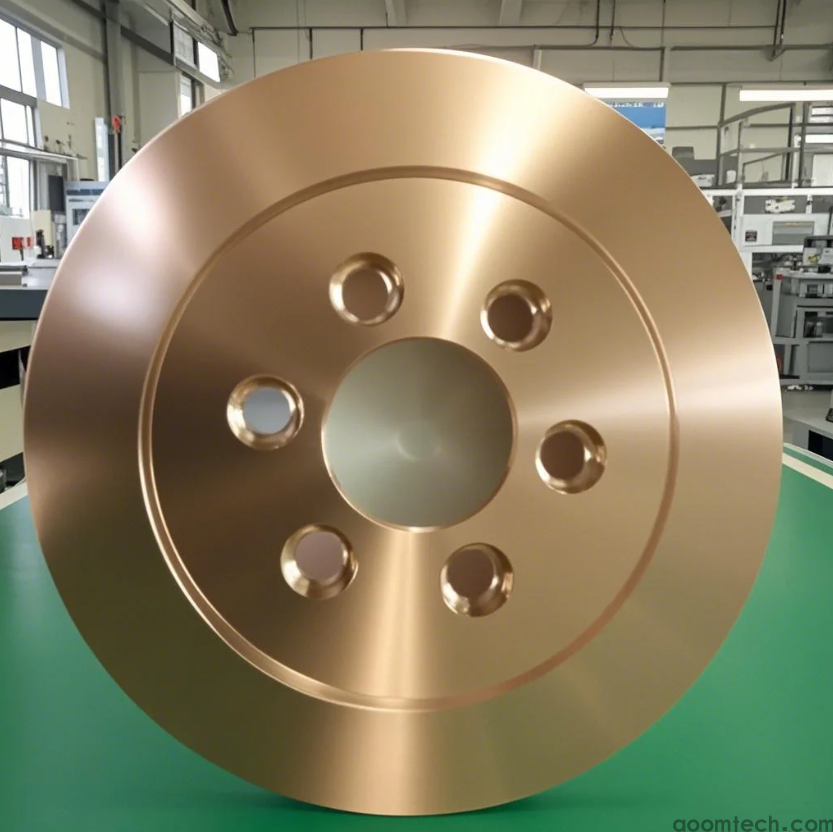
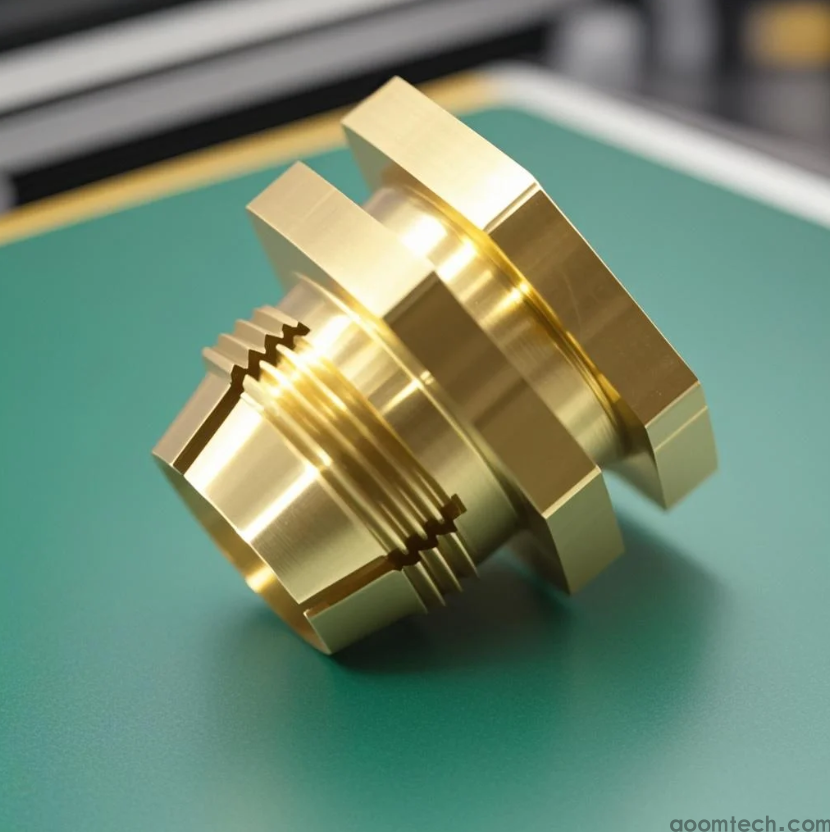
Precision Copper CNC Machining Services
Precision Copper CNC Machining Services
Copper is widely used in electrical, thermal, and industrial applications because of its excellent conductivity and corrosion resistance. However, achieving high precision when machining copper is often more difficult than many buyers expect. Copper's softness and ductility can lead to burr formation, dimensional variations, surface scratches, and tool wear. Manufacturers also face concerns about maintaining tight tolerances for complex geometries while keeping production costs under control. These challenges make choosing the right Precision Copper CNC Machining Services provider essential for project success.
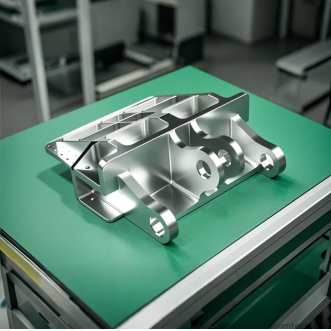
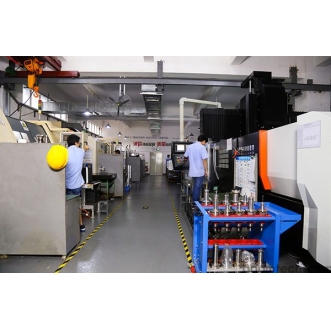
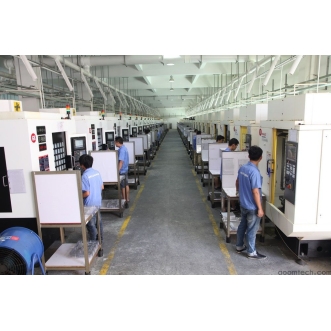
Precision Copper CNC Machining Services combine advanced CNC equipment, optimized machining strategies, and strict quality control procedures to produce highly accurate copper components. Whether the application involves electrical contacts, heat exchangers, power distribution systems, or custom electronic components, precision machining ensures reliable performance and consistent quality.
What Are Precision Copper CNC Machining Services?
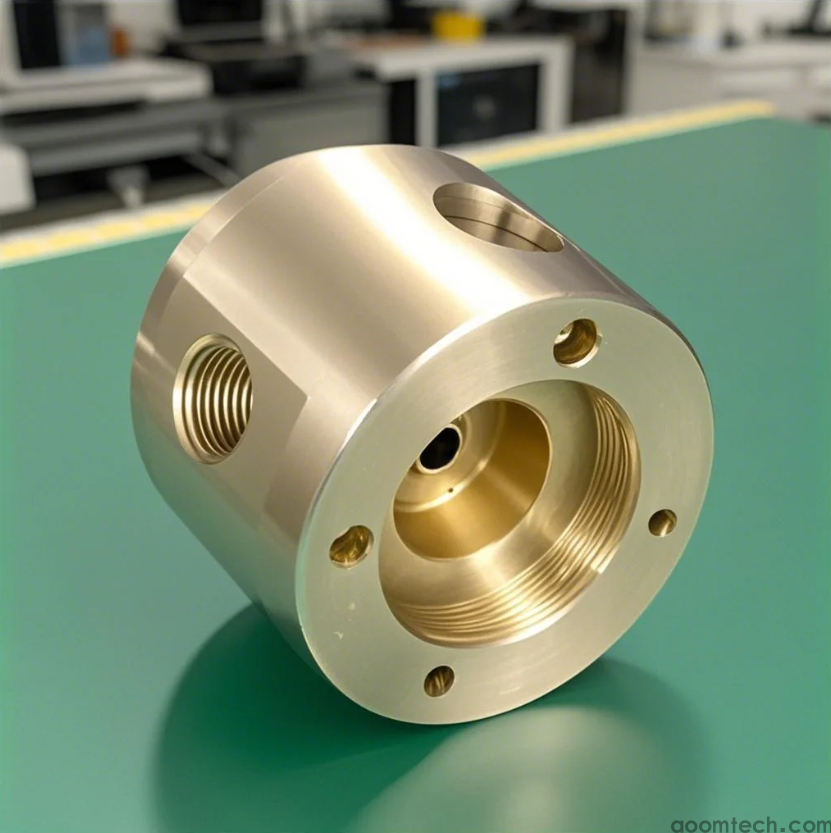
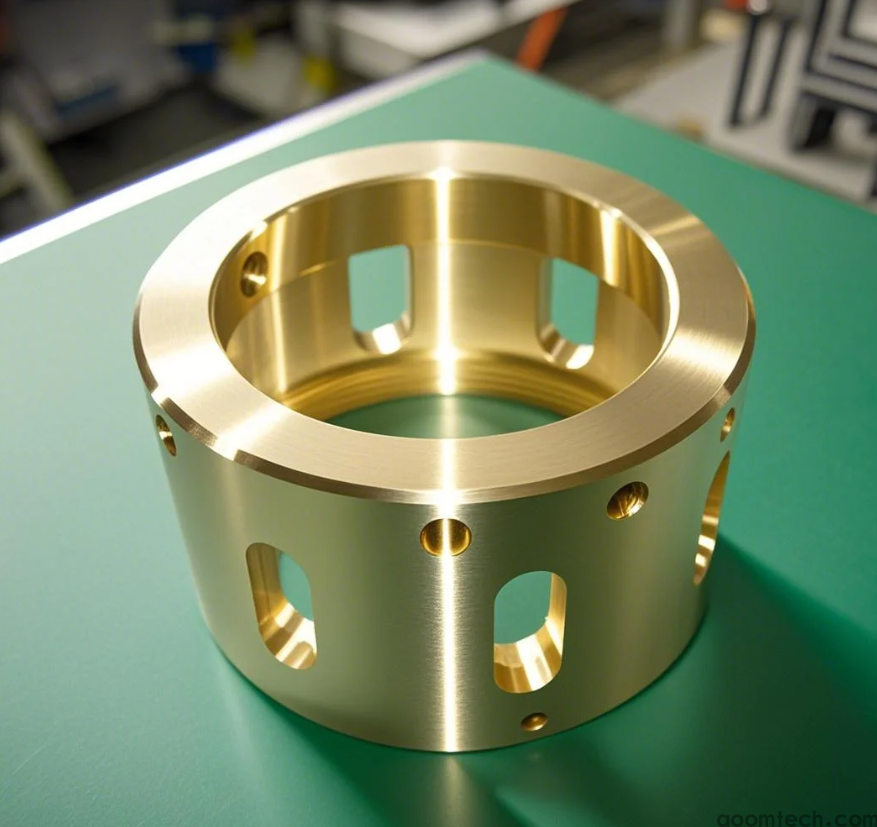
Precision Copper CNC Machining Services involve manufacturing copper components using computer-controlled machining technologies capable of achieving tight tolerances and superior surface finishes.
These services are commonly used to produce:
Electrical contacts
Busbars
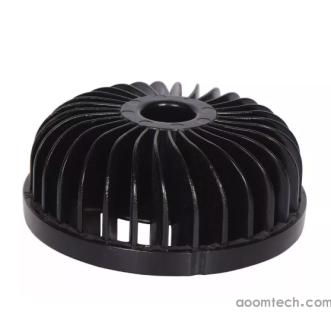
Heat sink components
Heat exchanger parts
Power distribution components
RF communication components
Custom electronic parts
Industrial copper fittings
Modern CNC machining enables manufacturers to create complex copper parts with repeatable accuracy for both prototype and production quantities.
Why Copper Is Challenging to Machine
Understanding copper's material properties helps explain why specialized machining expertise is often required.
High Ductility
Copper is softer than many engineering metals. While this makes forming easier, it can increase the risk of material deformation during machining.
Excellent Thermal Conductivity
Copper dissipates heat rapidly. This characteristic affects cutting temperatures and machining parameters.
Tendency to Form Burrs
Because copper is relatively soft, burrs may develop around edges and machined features if tooling and cutting strategies are not properly optimized.
Surface Sensitivity
Copper surfaces can be susceptible to scratches and cosmetic defects during machining and handling.
These characteristics require experienced machinists, advanced tooling, and carefully controlled manufacturing processes.
Common Copper Grades Used in Precision CNC Machining
C110 Electrolytic Tough Pitch (ETP) Copper
C110 is one of the most commonly machined copper grades due to its excellent electrical conductivity and broad industrial use.
Applications include:
Electrical terminals
Busbars
Connector components
Power distribution systems
C101 Oxygen-Free Copper
C101 provides extremely high conductivity and is often used in demanding electrical and electronic applications.
C145 Tellurium Copper
Tellurium copper offers significantly improved machinability while retaining excellent conductivity.
It is frequently selected for precision-machined components with complex geometries.
Copper Alloys
Various copper alloys provide enhanced strength, wear resistance, and machinability while maintaining many of copper's beneficial properties.
Precision Copper CNC Machining Processes
CNC Milling
CNC milling is widely used to manufacture complex copper components with pockets, slots, channels, and intricate geometries.
Benefits include:
High dimensional accuracy
Complex shape capability
Excellent repeatability
Efficient material removal
CNC Turning
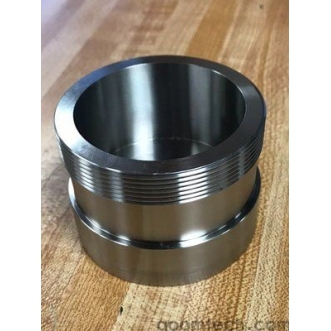
CNC turning is ideal for cylindrical copper parts such as electrical contacts, pins, bushings, and connector bodies.
Drilling and Tapping
Precision hole creation and threading are essential for many electrical and mechanical assemblies.
5-Axis CNC Machining
Complex copper components often benefit from 5-axis machining, which improves accuracy and reduces multiple setups.
Micro Machining
Miniature copper parts used in electronics and medical applications frequently require advanced micro-machining capabilities.
How Precision Is Achieved in Copper CNC Machining
One of the biggest concerns in copper machining is maintaining tight tolerances despite the material's softness.
Optimized Tooling
Specialized cutting tools designed for non-ferrous metals help minimize burr formation and improve dimensional consistency.
Controlled Cutting Parameters
Proper spindle speeds, feed rates, and depth-of-cut settings reduce deformation and improve machining stability.
Advanced CNC Programming
Carefully developed toolpaths help achieve precise geometries while minimizing vibration and machining errors.
Stable Workholding Systems
Secure fixturing ensures components remain stable throughout the machining process.
Environmental Controls
Temperature management and process consistency contribute to repeatable dimensional accuracy.
Precision Copper CNC Machining Services for Electrical Contacts
Precision copper CNC machining services for electrical contacts are critical for industries that depend on efficient current transfer and long-term reliability.
Electrical contacts often require:
Tight dimensional tolerances
Excellent surface finishes
Reliable conductivity
Consistent contact pressure
Corrosion-resistant surfaces
Applications include:
Switchgear systems
Power distribution equipment
Battery systems
Industrial electrical controls
Renewable energy infrastructure
Precision machining helps ensure reliable electrical performance and long service life.
Advantages of Precision Copper CNC Machining in Heat Exchanger Production
The advantages of precision copper CNC machining in heat exchanger production are significant because thermal performance often depends on precise geometries and surface quality.
Key benefits include:
Improved heat transfer efficiency
Accurate fluid channel dimensions
Consistent thermal performance
Reduced assembly issues
Enhanced durability
Heat exchangers are commonly used in:
HVAC systems
Industrial cooling equipment
Power generation systems
Electronics cooling applications
CNC machining allows manufacturers to create highly detailed copper structures that maximize heat dissipation.
Precision Copper CNC Machining Services for Custom-Shaped Copper Components in Electronics
Precision copper CNC machining services for custom-shaped copper components in electronics support the growing demand for compact, high-performance electronic devices.
Electronic applications often require:
Complex geometries
Miniaturized features
Excellent conductivity
Consistent dimensional accuracy
Superior thermal management
Common products include:
Connector housings
RF components
Power management systems
Semiconductor equipment parts
Custom copper conductors
Precision machining enables manufacturers to meet strict electronic performance requirements while supporting innovative product designs.
Surface Finish Considerations for Precision Copper Components
Surface quality directly affects both performance and appearance.
Common customer concerns include:
Tool marks
Burrs
Surface scratches
Oxidation
Inconsistent finishes
Available Surface Treatments
Mechanical polishing
Electropolishing
Tin plating
Silver plating
Nickel plating
Protective coatings
These finishing processes improve conductivity, corrosion resistance, and cosmetic appearance while meeting application-specific requirements.
Quality Control Measures for Precision Copper CNC Machining Services
Comprehensive quality assurance is essential for maintaining accuracy and consistency throughout production.
Material Certification
Raw copper materials are verified for composition, conductivity, and mechanical properties.
In-Process Inspection
Critical dimensions are monitored during production to detect deviations early.
CMM Measurement
Coordinate Measuring Machines verify complex geometries and dimensional tolerances.
Surface Roughness Testing
Surface finish measurements ensure compliance with engineering specifications.
Final Inspection
Finished components undergo comprehensive dimensional and visual verification before shipment.
Cost-Effectiveness of Precision Copper CNC Machining Projects
Many buyers assume that precision copper machining is always expensive. In reality, efficient manufacturing strategies can significantly improve cost-effectiveness.
Cost-saving factors include:
Optimized component design
Efficient toolpath programming
Reduced material waste
Automated machining processes
Improved first-pass yield rates
Lower rework and scrap costs
Working with an experienced machining partner often results in lower total project costs despite the precision requirements.
Industries That Use Precision Copper CNC Machining Services
Electronics manufacturing
Power generation and distribution
Telecommunications
Automotive electrification
Aerospace systems
Medical equipment manufacturing
Renewable energy systems
Industrial automation
These industries rely on precision-machined copper components to achieve reliable electrical performance and effective thermal management.
Conclusion
Precision Copper CNC Machining Services provide the accuracy, consistency, and performance required for today's most demanding electrical, thermal, and industrial applications. Through advanced machining processes, specialized tooling, and rigorous quality control systems, manufacturers can overcome the challenges associated with copper's softness while achieving exceptional dimensional accuracy and surface quality.
Whether you require precision copper CNC machining services for electrical contacts, want to benefit from the advantages of precision copper CNC machining in heat exchanger production, or need precision copper CNC machining services for custom-shaped copper components in electronics, partnering with an experienced CNC machining provider can help ensure reliable quality, optimized performance, and cost-effective production.
RELATED PRODUCTS
-
CNC Machined Anti-Slip Nuts Services
-
CNC Stainless Steel Pipe Fittings Servic
-
CNC Machined Transmission Worm Gears Ser
-
CNC Machined Sensor Components Services
-
CNC Precision Metal Machining Services
-
CNC Machining Production Services
-
CNC Lighting Housing Processing Services
-
Cost-Optimized CNC Turning Services
-
CNC Contract Manufacturing Services
-
CNC Large Part Machining Services