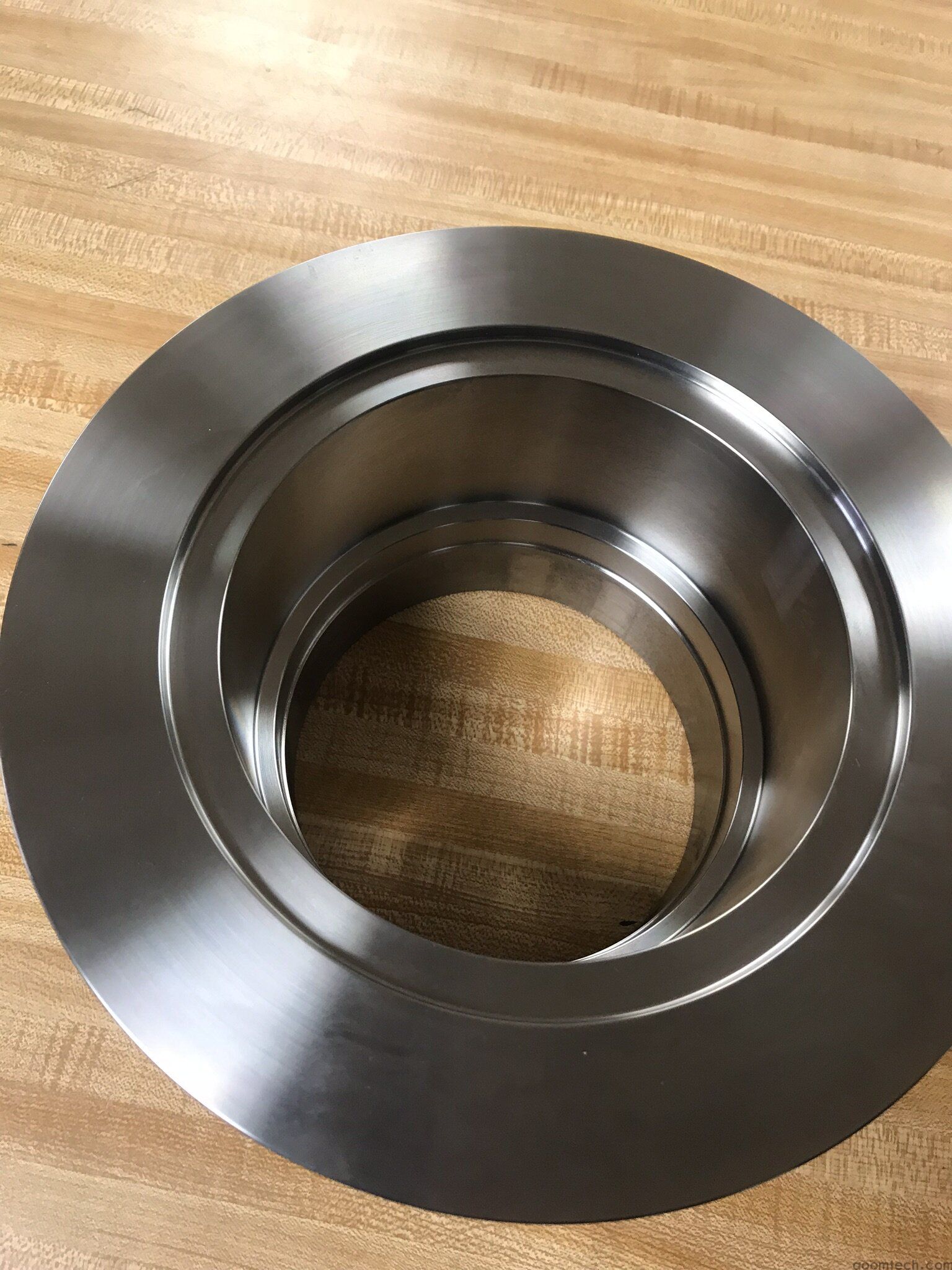
Cost-Optimized CNC Turning Services
Cost-Optimized CNC Turning Services
CNC turning is widely used to manufacture shafts, bushings, pins, connectors, fittings, and countless other rotational components. However, many purchasing managers and engineers face a common challenge: controlling machining costs without sacrificing quality. Rising material prices, tool wear, machine downtime, and inefficient production planning can significantly increase part costs. At the same time, selecting the lowest-cost supplier often leads to quality issues, delivery delays, and expensive rework.
Cost-Optimized CNC Turning Services help manufacturers achieve the right balance between production efficiency, dimensional accuracy, and overall project cost. Through strategic material selection, optimized tooling, advanced CNC programming, and effective quality control systems, companies can reduce manufacturing expenses while maintaining reliable product performance.
What Are Cost-Optimized CNC Turning Services?
Cost-Optimized CNC Turning Services focus on reducing the total manufacturing cost of turned components while maintaining required quality standards and delivery schedules.
Cost optimization goes beyond simply lowering machining rates. It involves improving every stage of the production process, including:
Material utilization
Machining cycle times
Tool life management
Production scheduling
Inspection efficiency
Supply chain coordination
The goal is to minimize waste and maximize production efficiency without compromising part performance.
Why CNC Turning Costs Often Increase
Understanding cost drivers is the first step toward effective optimization.
Expensive Raw Materials
Material costs can account for a significant portion of the final part price, especially when using stainless steel, titanium, copper alloys, or specialty materials.
Long Machining Cycles
Complex geometries and inefficient toolpaths can increase machine utilization time and production costs.
Frequent Tool Changes
Tool wear and poor tooling strategies often reduce productivity and increase labor expenses.
High Scrap Rates
Dimensional errors and process inconsistencies can lead to material waste and rework.
Multiple Manufacturing Operations
Additional setups, secondary processes, and unnecessary handling contribute to higher overall costs.
Material Selection for Cost Optimization
Choosing the right material can have a major impact on manufacturing costs.
Select Materials Based on Application Requirements
Over-specifying materials often leads to unnecessary expenses.
For example:
Carbon steel may replace alloy steel in non-critical applications.
Aluminum may reduce machining time compared to stainless steel.
Brass may offer better machinability than some copper grades.
Improve Material Utilization
Selecting stock sizes closer to finished dimensions helps reduce waste and machining time.
Benefits include:
Lower material costs
Reduced machining cycles
Less scrap generation
Tooling Strategies That Reduce CNC Turning Costs
Tooling plays a critical role in production efficiency and overall manufacturing costs.
Use High-Performance Inserts
Modern cutting inserts often provide:
Longer tool life
Higher cutting speeds
Reduced machine downtime
Improved surface finishes
Optimize Cutting Parameters
Proper feeds and speeds help maximize material removal rates while extending tool life.
Reduce Tool Changes
Multi-functional tooling can perform several operations during a single setup, improving productivity.
Monitor Tool Wear
Predictive tool management systems help prevent unexpected failures and reduce scrap rates.
Production Planning for Cost-Optimized CNC Turning Services
Efficient production planning is one of the most effective ways to reduce CNC turning costs.
Batch Similar Parts Together
Grouping similar components reduces setup changes and machine downtime.
Minimize Setup Time
Standardized fixtures and workholding systems improve machine utilization.
Optimize Machine Scheduling
Proper scheduling reduces idle machine time and improves production flow.
Implement Automation
Automated bar feeders, robotic loading systems, and part handling equipment can significantly lower labor costs.
Cost-Optimized CNC Turning Services for Small-Batch Production
Cost-optimized CNC turning services for small-batch production are increasingly important for startups, product developers, and low-volume manufacturers.
Small production runs often face higher per-part costs because setup expenses are spread across fewer units.
Strategies for reducing costs include:
Using standard tooling
Simplifying part geometry
Reducing unnecessary tolerances
Combining multiple operations
Selecting highly machinable materials
Experienced CNC turning providers can often identify design improvements that reduce costs without affecting functionality.
How to Achieve Cost Optimization in CNC Turning for Automotive Parts
How to achieve cost optimization in CNC turning for automotive parts is a common concern because automotive manufacturing demands both quality and high-volume efficiency.
Automotive components frequently require:
Tight tolerances
High production volumes
Consistent repeatability
Competitive pricing
Cost-saving strategies include:
High-speed CNC turning
Automated loading systems
Process standardization
Tool life optimization
Statistical process control
These methods help reduce cycle times while maintaining the quality standards required by automotive manufacturers.
Cost-Effective CNC Turning Services for General Machinery Components
Cost-effective CNC turning services for general machinery components support a wide range of industrial applications.
Typical components include:
Shafts
Rollers
Bushings
Couplings
Bearing housings
Hydraulic fittings
For these applications, cost efficiency is often achieved through:
Material standardization
Production automation
Optimized cutting strategies
Efficient inventory management
Reduced setup complexity
The result is reliable component performance at a competitive manufacturing cost.
Design Strategies That Reduce CNC Turning Costs
Part design has a major influence on manufacturing expenses.
Avoid Unnecessary Tight Tolerances
Tighter tolerances require additional machining time and inspection resources.
Specify precision only where functionally required.
Use Standard Features
Standard thread sizes, radii, and dimensions simplify production.
Reduce Complex Geometries
Simplified designs often lower machining costs while maintaining performance.
Minimize Secondary Operations
Reducing additional machining or finishing processes helps improve overall efficiency.
Quality Control Without Increasing Costs
Many manufacturers worry that reducing costs will compromise quality. Effective quality systems actually help lower total manufacturing expenses.
In-Process Inspection
Early detection of deviations prevents costly scrap and rework.
Statistical Process Control
Monitoring production trends helps maintain consistency and reduce variability.
Automated Measurement Systems
Automated inspection equipment improves accuracy while reducing labor requirements.
Root Cause Analysis
Identifying recurring production issues helps eliminate future defects.
These practices improve both quality and profitability.
Industries That Benefit from Cost-Optimized CNC Turning Services
Automotive manufacturing
Industrial machinery production
Aerospace components
Medical equipment manufacturing
Electronics production
Energy systems
Agricultural equipment
Construction machinery
Each industry benefits from the ability to balance quality, performance, and production costs.
How to Choose a Cost-Optimized CNC Turning Partner
Selecting the right supplier is critical for long-term cost savings.
Look for manufacturers that offer:
Modern CNC turning equipment
Engineering support
Lean manufacturing practices
Quality management systems
Production automation capabilities
Transparent pricing structures
Strong delivery performance
An experienced supplier can often identify hidden cost-saving opportunities throughout the production process.
Conclusion
Cost-Optimized CNC Turning Services help manufacturers reduce production expenses while maintaining the quality, reliability, and precision required for modern industrial applications. Through strategic material selection, advanced tooling solutions, efficient production planning, optimized part design, and robust quality control systems, companies can achieve significant cost savings without sacrificing performance.
Whether you need cost-optimized CNC turning services for small-batch production, want to understand how to achieve cost optimization in CNC turning for automotive parts, or require cost-effective CNC turning services for general machinery components, partnering with an experienced CNC turning provider can improve manufacturing efficiency and support long-term business growth.
RELATED PRODUCTS
-
CNC Machined Anti-Slip Nuts Services
-
CNC Stainless Steel Pipe Fittings Servic
-
CNC Machined Transmission Worm Gears Ser
-
CNC Machined Sensor Components Services
-
CNC Precision Metal Machining Services
-
CNC Machining Production Services
-
CNC Lighting Housing Processing Services
-
Cost-Optimized CNC Turning Services
-
CNC Contract Manufacturing Services
-
CNC Large Part Machining Services