


CNC Machining Process for Mask Machine Parts
CNC Machining Process for Mask Machine Parts
Introduction to CNC Machining Process for Mask Machine Parts
The CNC Machining Process for Mask Machine Parts is a key manufacturing method used to produce high-precision components for mask production equipment. CNC stands for Computer Numerical Control. It uses computer programs to control machines such as mills, lathes, and drills. This technology helps manufacturers produce parts with very tight tolerances, stable quality, and repeatable accuracy.
Mask machines must run continuously and produce masks at high speed. Even a small error in a machine part can affect the whole production line. For example, if a roller or guide part is not aligned correctly, the mask layers may shift, causing folding errors or weak sealing. CNC machining ensures that every part fits correctly and works smoothly together.
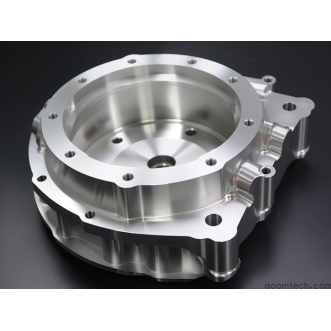
Because of its precision and reliability, CNC machining is widely used in the production of key mask machine components such as rollers, shafts, housings, cutting tools, and structural frames.
The Significance of CNC Machining in Mask Machine Part Production
CNC machining plays an essential role in ensuring that mask machines operate efficiently and consistently. Unlike manual machining, CNC systems reduce human error and improve production accuracy. This is especially important for mask manufacturing, where hygiene, speed, and precision are critical.
High-quality CNC-machined parts help maintain stable machine movement, reduce vibration, and improve alignment between different modules of the mask machine. This leads to better mask quality and fewer production defects.
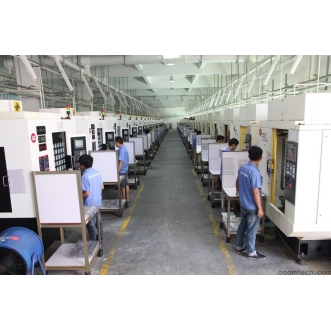
In modern production environments, manufacturers rely on CNC technology to meet high demand while maintaining strict quality standards. This is one of the main reasons CNC machining has become the industry standard for mask machine part production.
Process Steps in CNC Machining of Mask Machine Parts
Design Phase
The process begins with the design in CNC machining of mask machine parts. Engineers use CAD (Computer-Aided Design) software to create detailed 3D models of each component. These models define the exact shape, size, and tolerance of the part.
During the design stage, engineers consider how the part will function inside the mask machine. They also evaluate load conditions, movement requirements, and assembly compatibility. A small design mistake can lead to serious performance problems. For example, an incorrectly designed gear may cause uneven feeding of mask material, resulting in defective products.
Accurate design is the foundation of successful CNC machining because all later steps depend on it.
Material Selection
Material selection for mask machine part CNC machining is another important step. The material must match the working environment, mechanical stress, and durability requirements of the machine.
Common materials include:
Stainless steel – Used for parts exposed to moisture or cleaning chemicals due to its corrosion resistance.
Aluminum – Lightweight and easy to machine, often used for structural parts.
Alloy steel – High strength and wear resistance for heavy-load components.
Engineering plastics – Used in low-friction or insulation parts.
Each material affects machining conditions. For example, stainless steel requires slower cutting speeds and stronger tools, while aluminum allows faster machining but needs careful surface finishing to avoid scratches.
CNC Programming
After the design is completed, it is converted into a CNC program using CAM (Computer-Aided Manufacturing) software. This program contains instructions for the machine, including tool paths, cutting speeds, feed rates, and cutting depth.
Precise programming is essential for accuracy. If the program contains errors, the final part may have incorrect dimensions or poor surface quality. For example, incorrect tool path settings can damage a roller surface, affecting its rotation balance in the mask machine.
Experienced programmers optimize the program based on material type and part geometry to ensure efficiency and precision.
Machine Setup and Tooling
Before machining begins, the CNC machine must be properly set up. This includes selecting cutting tools, installing fixtures, and securing the workpiece.
Tool selection depends on the material and operation type. Carbide tools are commonly used for hard materials, while high-speed steel tools may be used for softer materials.
Machine parameters such as spindle speed, feed rate, and coolant flow are also set according to the CNC program. Proper setup ensures stable machining, reduces tool wear, and improves final accuracy.
Machining Operations
Milling
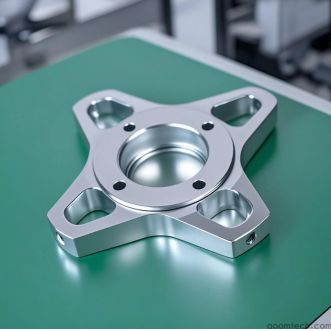
Milling is one of the most common operations in CNC machining of mask machine parts. A rotating tool removes material to create flat surfaces, grooves, and complex shapes.
For hard materials like alloy steel, carbide end mills are often used. Cutting parameters must be carefully controlled. Lower feed rates are used for complex geometries to ensure accuracy and avoid tool damage.
Turning
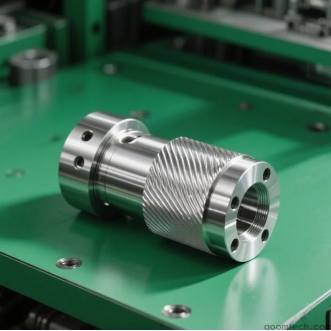
Turning is used to produce cylindrical components such as shafts and rollers. The workpiece rotates while the cutting tool removes material.
Precision is critical in turning operations. Even a small deviation can affect concentricity, leading to vibration during machine operation. Proper control of speed and tool position ensures smooth surface finish and stable performance.
Drilling and Boring
Drilling creates holes for fasteners, alignment pins, or mechanical connections. Boring is used to enlarge or refine existing holes to achieve precise dimensions.
Accurate hole placement is essential. Misaligned holes can cause assembly issues and reduce machine performance. Proper cutting speeds and tool selection help maintain accuracy and reduce tool wear.
Quality Control in CNC Machining of Mask Machine Parts
In-Process Inspection
Quality control in CNC mask machine part production begins during machining. In-process inspection helps detect problems early and avoid defective parts.
Operators use tools such as calipers, micrometers, and surface roughness testers to check dimensions and surface quality. If deviations are found, adjustments are made immediately to the machine program or tool settings.
This step reduces waste and improves production efficiency.
Final Inspection
After machining is completed, a final inspection is carried out to ensure all requirements are met. This includes checking dimensions, surface finish, and material quality.
Coordinate Measuring Machines (CMMs) are often used for high-precision inspection. They provide accurate 3D measurements of complex parts.
If a part does not meet specifications, it is either reworked or rejected. This ensures only high-quality components are used in mask machine assembly.
Conclusion: Ensuring High-Quality Mask Machine Parts through CNC Machining
The CNC Machining Process for Mask Machine Parts is a complete system that includes design, material selection, programming, machining, and quality control. Each stage plays an important role in ensuring the final product meets strict industrial standards.
To achieve the best results, manufacturers should focus on continuous improvement, operator training, and the use of advanced CNC technology. Keeping detailed production records also helps improve future machining processes and reduce errors.
By carefully managing each step, manufacturers can produce durable, precise, and reliable mask machine parts that support stable and efficient mask production.
 How to Ensure Precision in CNC
 Small Batch Precision CNC Mach
 What surface finish can CNC ma
 CNC Machining Tolerance Settin