


How to Select a CNC Machining Supplier
How to Select a CNC Machining Supplier
Choosing the right manufacturing partner is one of the most important decisions for any company that needs precision parts. This guide explains How to Select a CNC Machining Supplier in simple, practical steps so that businesses around the world can make better decisions, even if English is not their first language.
A good supplier can help you produce high-quality CNC parts on time and within budget. A poor choice can lead to delays, bad quality, and unexpected costs. Understanding the key factors in choosing CNC machining supplier will help you reduce risks and improve results.
Introduction to Selecting a CNC Machining Supplier
The Importance of Choosing the Right Supplier
In CNC machining, precision and timing are very important. The supplier you choose directly affects the success of your project.
For example, a startup launching a new product depends on accurate parts to meet deadlines. If the supplier delivers high-quality components on time, the product can reach the market faster. On the other hand, if the supplier produces defective parts or misses deadlines, the company may lose customers and money.
For larger companies, a wrong supplier choice can stop production lines, increase rework costs, and damage reputation. That is why How to Select a CNC Machining Supplier is a key business decision, not just a purchasing task.
Key Factors to Consider When Selecting a CNC Machining Supplier
Experience and Expertise
Experience is one of the most important factors. A supplier with many years in CNC machining usually understands materials, tolerances, and production challenges better.
Check how long the supplier has been in business and what industries they serve. For example, a supplier experienced in aerospace or medical parts is likely skilled in high-precision work. If they have worked on parts similar to yours, it is a strong advantage.
When evaluating key factors in choosing CNC machining supplier, always prioritize proven industry experience.
Capabilities and Equipment
A strong CNC supplier should have modern and well-maintained machines. This may include CNC milling machines, lathes, and multi-axis machining centers.
Advanced machines such as 5-axis CNC systems allow the production of complex shapes with higher accuracy. Software systems for CAD/CAM programming and inspection also improve efficiency and precision.
If your project requires complex geometry, make sure the supplier’s equipment can support it. This is a critical part of steps for CNC machining supplier selection.
Quality Control
Quality control ensures that every part meets your requirements. A reliable supplier will inspect materials before production, monitor processes during machining, and perform final inspections before shipping.
Common tools include Coordinate Measuring Machines (CMM), calipers, and surface testers. Certifications like ISO 9001 show that the supplier follows international quality standards.
Ask how they handle defective parts. A professional supplier will clearly explain their correction process, which is a sign of strong quality management.
Cost-Effectiveness
Cost is important, but it should never be the only factor. The cheapest option may lead to poor quality or delays.
Good suppliers offer balanced pricing that includes materials, machining time, labor, and overhead costs. Always request detailed quotations for comparison.
The goal is not just low price but cost-effectiveness in CNC machining supplier choice. A slightly higher price may save money in the long run if it reduces defects and delays.
Delivery Time and Lead Times
On-time delivery is critical in manufacturing. Before choosing a supplier, ask about their normal lead times and production capacity.
Reliable suppliers provide realistic schedules based on workload and material availability. Be careful with suppliers who promise extremely fast delivery without explanation, as this may indicate quality risks.
A clear production timeline is an essential part of steps for CNC machining supplier selection.
Customer Service and Communication
Good communication ensures smooth project execution. A professional supplier responds quickly, provides regular updates, and clarifies technical details when needed.
Strong customer service helps prevent misunderstandings and supports design changes during production. A dedicated account manager is often a sign of a well-organized company.
Steps to Select a CNC Machining Supplier
Research and Shortlisting
Start by researching suppliers through online directories, industry recommendations, and professional networks. Create a shortlist based on their experience, location, and capabilities.
If your project requires special materials or tight tolerances, focus on suppliers with proven experience in those areas.
Request for Quotes and Information
Send detailed RFQs (Request for Quotation) to your shortlisted suppliers. Include drawings, material requirements, quantity, and delivery timelines.
Compare how each supplier responds. Fast and clear communication is often a sign of professionalism and reliability.
Supplier Visits or Virtual Tours
If possible, visit the supplier’s factory. This allows you to see their machines, workflow, and quality control systems directly.
If travel is not possible, request a virtual tour or detailed photos and videos of their facility.
Check References and Reviews
Ask suppliers for customer references. Contact these clients to understand their experience with quality, delivery, and communication.
You can also check online reviews. Consistent positive feedback usually indicates a stable and reliable supplier.
Make a Decision
After comparing all factors—experience, equipment, quality, cost, and communication—choose the supplier that offers the best overall value.
Remember, the best supplier is not always the cheapest, but the one who provides consistent quality and long-term reliability.
Conclusion: Making an Informed Decision for CNC Machining Supplier Selection
Understanding How to Select a CNC Machining Supplier is essential for successful manufacturing projects. By carefully evaluating experience, capabilities, quality control, cost, delivery time, and communication, you can significantly reduce risks and improve production results.
The key factors in choosing CNC machining supplier should always be reviewed together, not individually. A balanced decision leads to better long-term partnerships and stable supply chains.
As you follow the steps for CNC machining supplier selection, remember that supplier relationships are long-term investments. A strong partnership can support future growth and innovation.
In addition, maintaining a focus on cost-effectiveness in CNC machining supplier choice ensures that you achieve both quality and financial efficiency.
Finally, follow EEAT principles—experience, expertise, authority, and trustworthiness—when evaluating suppliers. Reliable data, transparent communication, and proven performance are the foundation of a successful CNC machining partnership.
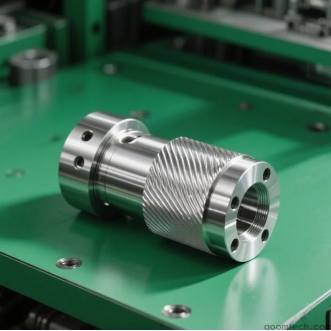 How to Ensure Precision in CNC
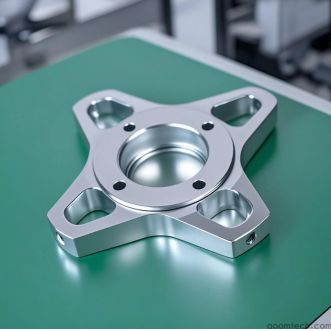 Small Batch Precision CNC Mach
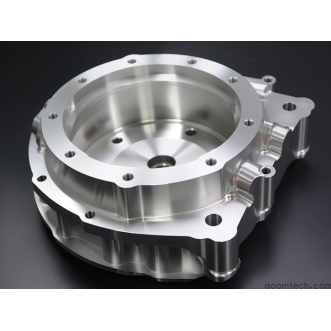 What surface finish can CNC ma
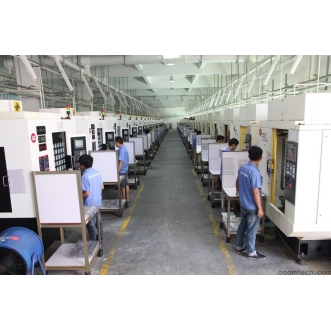 CNC Machining Tolerance Settin