


Which parts are suitable for CNC machining
Which Parts Are Suitable for CNC Machining
CNC (Computer Numerical Control) machining is one of the most important manufacturing methods used in modern industries. It allows machines to cut, shape, and finish materials with very high accuracy using computer programs. However, not every part is ideal for this process. Understanding which parts are suitable for CNC machining helps manufacturers choose the right production method, save costs, and improve product quality.
Introduction to Identifying Parts Suitable for CNC Machining
The Significance of Knowing Suitable Parts
Knowing which components are best suited for CNC machining is very important for engineers, manufacturers, and product designers. CNC machining offers high precision, flexibility, and repeatability, but using it for the wrong type of part can increase costs or reduce efficiency.
For example, a manufacturing company that produces mechanical housings may save time and material by choosing CNC machining for complex or high-precision parts, while using other methods like casting for simpler components. This smart selection helps reduce waste and improve overall production efficiency.
Characteristics of Parts Suitable for CNC Machining
Complex Geometries
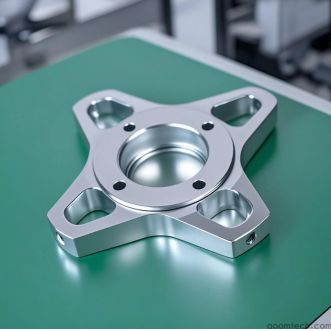
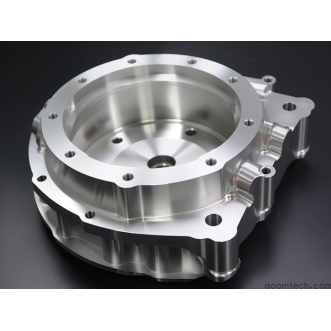
One of the clearest indicators of parts with complex geometries for CNC machining is the presence of intricate shapes, curves, or detailed features. CNC machines follow programmed toolpaths, allowing them to create designs that would be very difficult or impossible to produce manually.
Examples include aerospace turbine blades, fluid channels in engineering components, and medical implants shaped to match human anatomy. Because CNC machines are computer-controlled, they can reproduce complex designs with high accuracy and consistency.
High-Precision Requirements
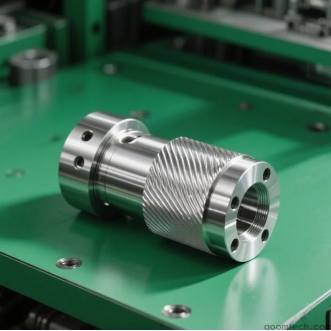
High-precision parts and CNC machining go hand in hand. CNC machines can achieve extremely tight tolerances, often within microns or thousandths of an inch. This level of accuracy is essential in industries where even small errors can cause product failure.
For example, in electronics, small connectors inside smartphones must be precisely machined to ensure proper electrical contact. In optical devices, even tiny dimensional errors can affect performance. CNC machining ensures consistent precision across all produced parts, even in large batches.
Repetitive Production
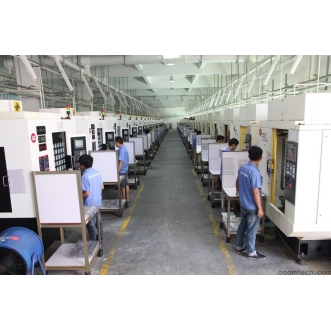
Parts that need to be produced in large quantities with consistent quality are highly suitable for CNC machining. Once a CNC program is created, it can produce the same part repeatedly with very little variation.
This is especially useful in industries like automotive manufacturing, where engine parts, brackets, and transmission components must be made in large volumes. CNC machining reduces human error and improves production speed for repetitive manufacturing tasks.
Material Compatibility
CNC machining supports a wide range of materials, making it suitable for many types of parts. Common materials include aluminum, stainless steel, titanium, brass, and various engineering plastics.
Each material has different properties. For example, aluminum is lightweight and widely used in aerospace and automotive industries, while steel is chosen for its strength and durability. CNC machines can be adjusted with different cutting speeds and tools to handle these materials effectively.
Industries Commonly Using CNC-Machined Parts
Aerospace Industry
The aerospace industry depends heavily on CNC-machined components. Aircraft parts such as turbine blades, engine housings, and structural supports require extreme precision and high-strength materials.
CNC machining ensures these parts meet strict safety and performance standards. Even small deviations in shape or size could affect flight safety, making CNC a critical manufacturing method in this industry.
Automotive Industry
The automotive industry is one of the largest users of CNC-machined parts. Components like engine blocks, gear systems, and brake parts must be accurate, durable, and mass-produced efficiently.
CNC machining helps improve fuel efficiency, performance, and safety by ensuring each part meets exact specifications. It also supports consistent production across thousands or even millions of units.
Medical Industry
The medical field requires extremely precise and reliable components. Surgical tools, implants, and diagnostic devices often depend on CNC machining for accuracy and surface quality.
For example, orthopedic implants can be custom-designed and machined to fit individual patients. CNC machining also ensures the use of biocompatible materials and smooth finishes, which are essential for medical safety.
Electronics Industry
In the electronics industry, small and precise components are essential. CNC machining is used to create heat sinks, PCB fixtures, connectors, and device housings.
These parts must fit perfectly within compact electronic systems. CNC machining supports miniaturization and ensures consistent performance in modern electronic devices.
Benefits That Make Parts Suitable for CNC Machining
Flexibility in Design
CNC machining offers excellent design flexibility. Engineers can create complex shapes and modify designs quickly by updating the CNC program. This makes it ideal for prototyping and product development.
Companies often use CNC machining to test new product designs before moving to mass production, reducing development time and cost.
Cost-Effectiveness for Medium-to-High Volume Production
Although CNC machining may have higher initial setup costs, it becomes very cost-effective for medium-to-high volume production. Once the machine is programmed, it can produce parts quickly with minimal labor.
This reduces the cost per part and makes it an efficient solution for large-scale manufacturing.
Consistent Quality
One of the biggest advantages of CNC machining is consistent quality. Because the process is computer-controlled, every part is produced with the same specifications and precision.
This is extremely important for industries like automotive and aerospace, where interchangeable parts and reliable performance are required.
Conclusion: Choosing the Right Parts for CNC Machining
Summary and Key Considerations
Understanding which parts are suitable for CNC machining helps businesses make better manufacturing decisions. Parts with complex shapes, high precision requirements, repetitive production needs, and compatible materials are ideal candidates.
Key industries such as aerospace, automotive, medical, and electronics rely heavily on CNC-machined components due to their need for accuracy and consistency.
When deciding whether to use CNC machining, consider long-term production volume, required precision, material type, and overall cost efficiency. In many cases, consulting with CNC machining experts can help determine the best production method for your specific part.
By carefully evaluating these factors, companies can fully benefit from CNC machining and improve both product quality and manufacturing efficiency.
 How to Ensure Precision in CNC
 Small Batch Precision CNC Mach
 What surface finish can CNC ma
 CNC Machining Tolerance Settin