


Price Guide for Mass Custom CNC Machined Parts
What Drives CNC Batch Pricing
Every week, I talk to clients who need 200, 500, or 5000 parts and want to understand the cost structure before they commit. It's a fair question. CNC batch processing pricing isn't one number — it moves with material, geometry, quantity, and finish requirements.
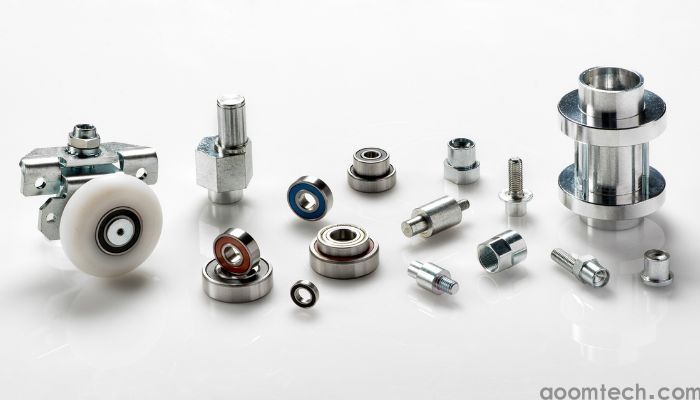
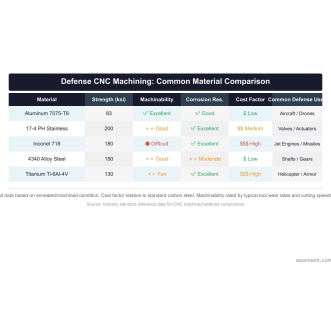
Material is the first variable. 6061 aluminum is our most affordable option for batch work. A 500-piece run in 6061 costs roughly half what the same parts would cost in 304 stainless steel. Titanium pushes that multiple higher — 3x to 5x on material alone. If cost is your primary concern and the application allows, I always recommend starting with aluminum or brass for your initial batch.
Geometry matters more than most engineers expect. A simple block with holes on two faces runs fast. A part with undercuts, internal threads, and tight corner radii needs multiple setups or 5-axis machining. That multiplies cycle time. I've seen a 30-minute simple part turn into 90 minutes just because of one internal pocket that required a special tool. Sending us your CAD early lets us catch those features and suggest design changes that save you money.
Batch size changes everything. At 50 pieces, the setup cost dominates. At 5000 pieces, setup cost spreads thin and per-unit price drops significantly. We have 50+ CNC machines at AOOM, and we can run multiple spindles in parallel on medium-to-large batches. Clients typically see 30-50% per-unit savings moving from 100 pieces to 1000 pieces.
Where AOOM Saves You Money
Our shop runs lean. We built our own tooling department in-house, so we don't mark up outside tool sourcing. We use nesting software to maximize material yield — on aluminum runs, we've pushed utilization above 85%. That's well above the industry average of 65-70%.
Our engineering team reviews every batch order before it hits the floor. We look for toolpath optimizations that reduce cycle time. Sometimes it's a simple change — using a different cutter diameter to clear a pocket in two passes instead of three. Sometimes it's a fixture redesign that lets us machine four parts in one cycle instead of two. These savings add up and we pass them to the client.
What to Include in Your Quote Request
To get an accurate batch price from us, send:
Your 3D model. STEP or IGES files work best. We use them for programming and simulation.
Material spec. Tell us the alloy. If you're unsure, we can recommend based on strength, weight, and cost targets.
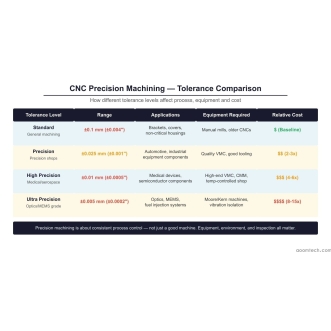
Tolerances. Standard is ±0.1mm. If you need ±0.01mm, the machining time goes up. We can tell you by how much before you commit.
Quantity. Firm numbers help. If you have a range, give us the high and low so we can tier the pricing.
We return DFM analysis with every quote at no charge. That means we tell you if your design has features that drive cost up and how to fix them. It's free advice that saves you money.
Quality Doesn't Have to Be Expensive
I've seen clients chase the cheapest quote and end up with out-of-tolerance parts, poor surface finish, and missed deadlines. At AOOM, our ISO 9001 process is built into every batch. That doesn't mean we're expensive. It means we deliver parts that pass inspection the first time.
Send your CAD files to chen@aoomtech.com for a quote within 24 hours.
 CNC Machining for Defense and
 CNC Machining for Aerospace: M
CNC Machining for Medical Devi
CNC Machining for Aerospace: M
CNC Machining for Medical Devi
 CNC Precision Machining Parts: