


How is the price calculated for non-standard CNC machining customization?
Ever get a quote for a custom CNC part and think, “Wait, how did they even come up with this number?” ? You’re not alone. For procurement managers and engineers sourcing non-standard parts, the pricing can feel like a black box. One supplier’s quote is sky-high, another seems suspiciously low, and you’re left wondering what you’re *really* paying for. Let’s crack that box open. Today, we’re breaking down, in plain language, the real factors that go into your non-standard CNC machining quote. No fluff, just the stuff that matters for your bottom line and project success.
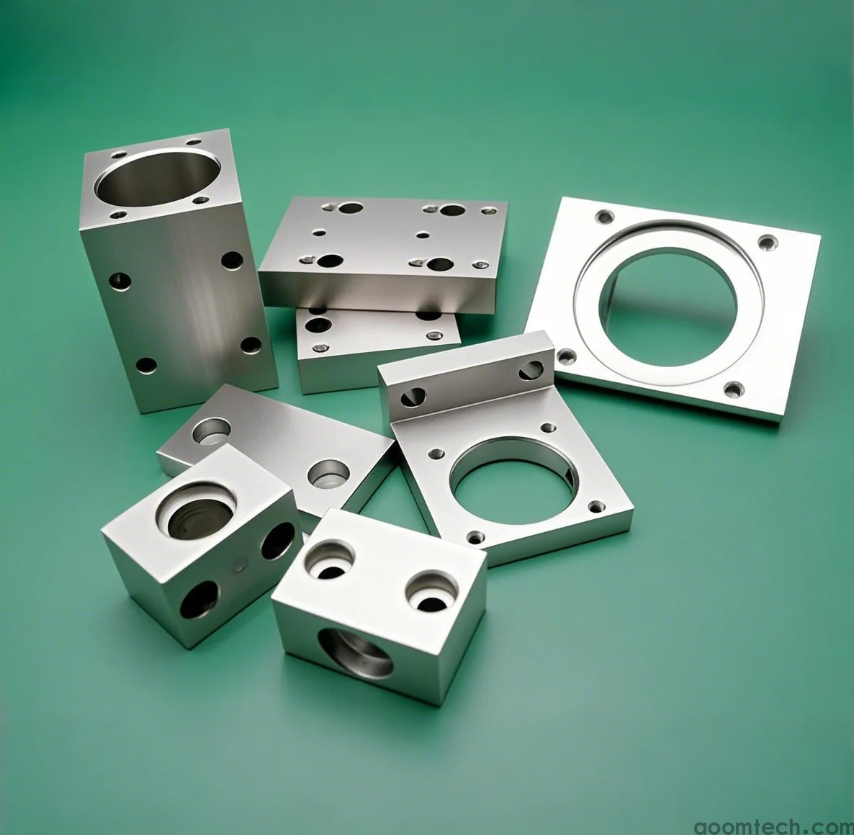
So, What Exactly Drives The Cost Up or Down?
Think of it like ordering a bespoke suit, not buying one off the rack. The price isn’t just for the fabric (material). It’s for the complexity of the design (your 3D model), how many you need (quantity), the tailor’s skill and time (machine & labor), and any special buttons or lining (post-processing). For CNC machining, we boil it down to a few core pillars.
1. The Part Itself: Design & Material
This is your blueprint. A part with simple shapes and open pockets is a quick job. But if your design has deep, narrow holes, super thin walls, or tricky undercuts… well, that requires special tools, slower cutting speeds, and maybe even repositioning the part mid-job. More time, more cost. It’s that simple.
Then there’s the material. Common aluminum is one thing. But if you need aerospace-grade titanium, medical stainless steel, or exotic plastics, the raw material cost shoots up. Also, harder materials wear down tools faster, adding to the bill.
2. The Machine Time & Setup
This is the big one. The CNC machine needs to be “told” what to do (programming), and then set up with the right tools and fixtures (setup). For a one-off prototype, this setup cost is a huge chunk of the price. But here’s the good part: if you’re ordering 50 or 100 pieces, that setup cost gets spread out. The cost per part drops significantly. So, quantity is your best friend for better pricing.
3. The Finish Line: Post-Processing
Does the part come out of the machine ready to use? Sometimes, yes. Often, no. Do you need a smooth, cosmetic finish? That’s sandblasting or polishing. Need a specific color or protection from rust? That’s anodizing or plating. Need parts to fit together perfectly? That could be additional precision grinding. Every one of these extra steps adds time, labor, and cost. It’s crucial to specify what you *really* need versus what’s just nice to have.
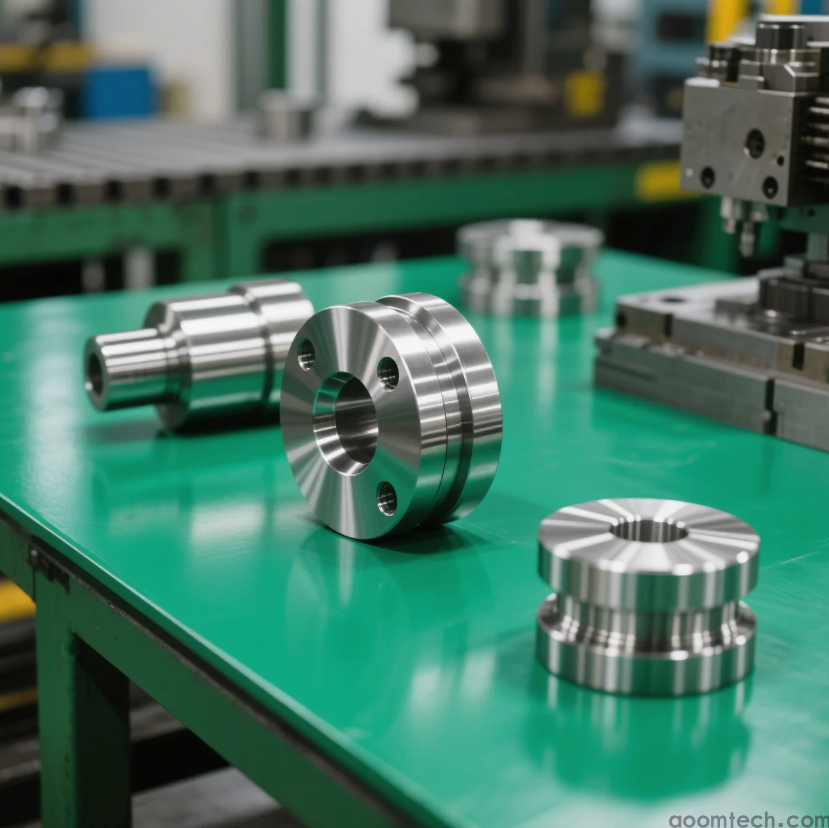
Okay, But How Do I Actually Get a Quote?
Most shops need a few key things from you. Having this ready saves everyone time and leads to a more accurate quote.
- The 3D Model (like a .STEP or .IGES file): This is non-negotiable. It’s the digital blueprint. A 2D drawing alone often isn’t enough for complex custom parts.
- Material Specification: Don’t just say “aluminum.” Say “6061-T6 aluminum” or “304 Stainless Steel.” Precision here prevents surprises.
- Quantity Needed: Be honest about your expected volume, even if it’s a guess. It completely changes the pricing strategy.
- Surface Finish & Tolerances: If you need a super smooth finish or critical dimensions held to within ±.01mm, say so upfront. If “standard machining” tolerances are fine, that’s okay too—just communicate it!
A Little Secret: It’s Not *Just* About the Lowest Price
I’ve seen projects get burned by chasing the cheapest quote. A super low price might mean the supplier cut corners on material quality, used worn-out tools (affecting precision), or didn’t factor in proper inspection. A part that fails or doesn’t fit can cost you ten times more in delayed assembly or rework. The real value is in a supplier who asks questions, points out potential issues in your design for manufacturability (we often call it DFM advice), and is clear about their process. That partnership saves you money in the long run, even if the initial quote isn’t the absolute lowest.
That said, a transparent breakdown from your supplier is the best sign. If they can explain their quote based on these factors—machine time, material, setup—you’re likely in good hands. If the quote is just a single number with no context, that’s a red flag.
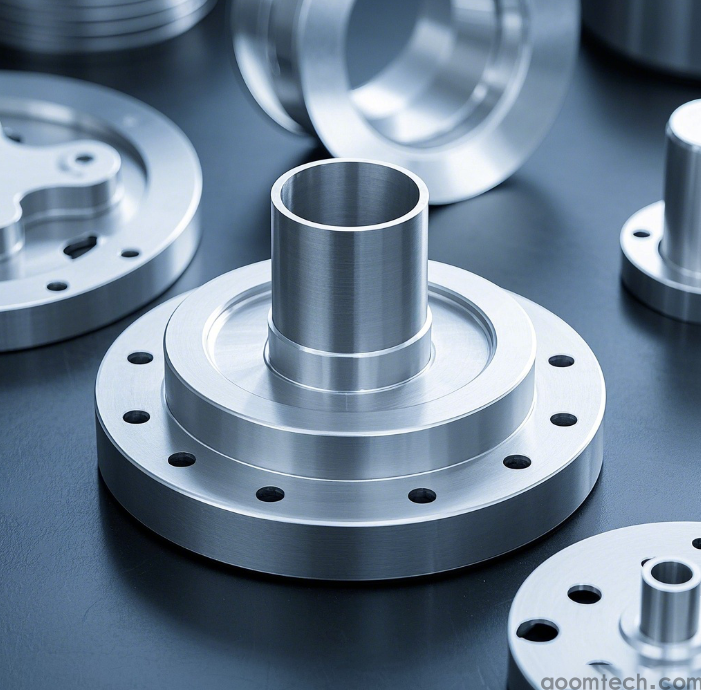
Ready to Get a Clear, No-Surprise Quote?
Understanding pricing is the first step to making a smart buying decision. Now that you know what goes into it, you can have a more productive conversation with potential suppliers and compare quotes apples-to-apples. You’re not just asking “how much?” anymore; you’re asking “how?” and “why?” ??
Want to see how this applies to your specific project? Our engineers love diving into unique challenges. Share your design files and requirements, and we’ll provide a detailed, line-item quote that makes sense. No black boxes, just clear communication and reliable parts. Let’s start the conversation with our online team today.
 Small Batch Precision Parts CN
How to Ensure Precision in CNC
How to Calculate CNC Machining
How is the price calculated fo
Small Batch Precision Parts CN
How to Ensure Precision in CNC
How to Calculate CNC Machining
How is the price calculated fo