


How Does a High-Precision CNC Machining Factory Guarantee ±.01mm Accuracy?
So, you're sourcing parts where a human hair's width (about .07mm) is a massive error. ? You need that legendary ±.01mm tolerance, and you're staring at a list of "high-precision" CNC shops, wondering: are those numbers just marketing talk, or can they truly, consistently deliver? If you're a procurement manager or engineer losing sleep over part fit and function, this isn't just about machines—it's about a holistic system of control. Let's cut through the noise and see what really matters.
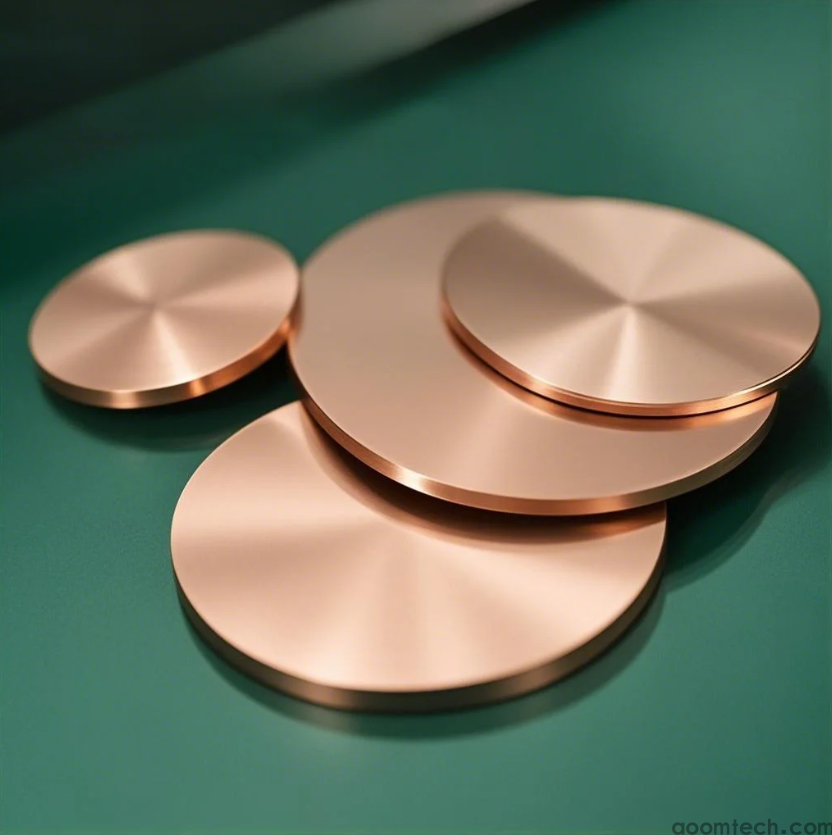
It Starts WAY Before the Machine Cuts: The Foundation of Precision
Many think slapping a fancy CNC machine on the floor equals high precision. That's like expecting a race car to win with bad fuel and a wobbly wheel. The real magic for ±.01mm happens in the setup.
First, thermal stability is a silent killer. Machine tools generate heat, and materials expand when warm. A top factory controls its entire environment—think constant room temperature (often 20°C ±1°C) and even pre-cooling materials before machining. It's a boring detail, but it's the bedrock. Without it, your dimensions drift before lunchtime.
Then, there's the machine itself. We're not just talking about any CNC. For this level, you need machines with linear scales (glass scales). Most CNCs use the motor's rotation to guess position (closed-loop). Linear scales act like a super-accurate ruler directly on the axis, giving real-time feedback and correcting errors instantly. It's the difference between guessing a distance and measuring it with a laser. This, combined with ultra-rigid machine structures that dampen vibration, is non-negotiable.

The Tooling & Setup: Where Theory Meets the Metal
Okay, the room is cold, the machine is stellar. Now what? This is where the factory's process discipline shines—or fails.
Tool Presetting is Key. Tools are measured offline on a separate instrument to micron-level accuracy before they go into the machine. This data is fed into the CNC, so it knows the exact length and diameter of every tool. No more manual, error-prone touching off on the part.
Workholding Can't Be an Afterthought. You can't mill a precise part if it's flexing in the vise. Specialized, kinematic mounts, custom fixtures, and vacuum chucks are often used to hold the part absolutely still and stress-free. Think of it as creating a perfect, repeatable nest for your raw material.
And then there's the first-part prove-out. A serious shop will run the first part, then stop. They'll measure it not with calipers, but with a CMM (Coordinate Measuring Machine) or high-end micrometers. Every critical dimension is checked against the 3D model. Only after this part passes inspection does the batch run proceed. This step, while time-consuming, is the ultimate gatekeeper.
The Human Factor & Continuous Verification
Here's a twist: even with all this automation, the people matter. A lot. The programmers need to understand cutting strategies that minimize stress and heat. Should they use trochoidal milling for that deep pocket? What about the step-over? The wrong path can push the material around, ruining accuracy.
In-process measurement is another layer. Some shops use probes on the CNC spindle to check critical features during the machining cycle. If a dimension is trending out of spec, the machine can adjust itself. It's a feedback loop that catches drift early.
But here's my personal take: The obsession with ±.01mm is sometimes... a bit misplaced. Don't get me wrong—for certain fits, optics, or medical implants, it's vital. But for many assemblies, you might be paying a huge premium for a number you don't fully need. A truly professional factory won't just promise the number; they'll ask you about the part's function and might suggest where true-position or surface finish is more critical than a single tight dimension. That consultative approach often separates the best from the rest.
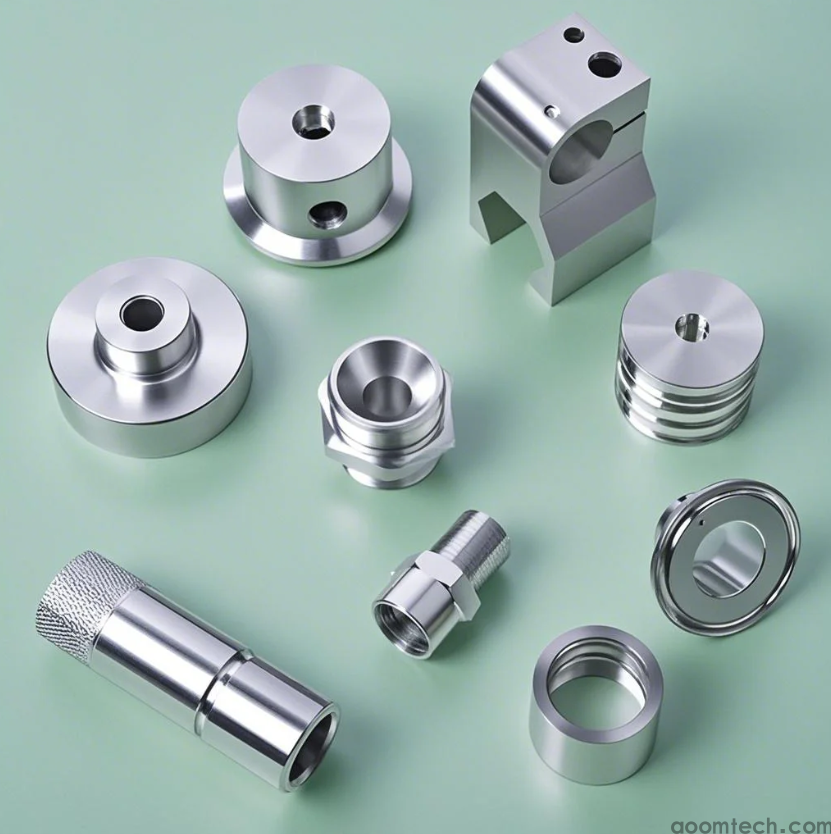
So, How Do You Vet a Factory for This?
Don't just ask, "Can you do ±.01mm?" Everyone will say yes. Dig deeper with these questions:
- “What is your shop floor temperature control protocol?” ❄️
- “Do your key machines have linear scales? Can you specify which ones?”
- “Walk me through your first-article inspection process. What equipment do you use?”
- “Show me an example of a similar-tolerance part you've made, and the inspection report for it.” ?
Their answers will tell you everything. A shop that lives this precision will have detailed, almost passionate answers. A shop that's bluffing will be vague.
In the end, guaranteeing ±.01mm isn't a single trick. It's a boring, meticulous, and expensive marriage of environment, equipment, tooling, process, and people. It's about controlling a hundred variables so the one that matters—your part's dimension—stays perfect. The factories that do this well don't just have good machines; they have a culture of measurement and control.
If this level of detail and control is what you need for your project, it's time to talk to a partner who speaks this language. ? Get in touch with our technical team today to discuss your specific requirements and see how our system is built for these challenges.
 Small Batch Precision Parts CN
How to Ensure Precision in CNC
How to Calculate CNC Machining
How is the price calculated fo
Small Batch Precision Parts CN
How to Ensure Precision in CNC
How to Calculate CNC Machining
How is the price calculated fo