


What Factors Affect CNC Machining Quote?
Hey there, fellow procurement managers and engineers! ? Ever received two CNC machining quotes for the exactly same part, but the prices are worlds apart? It’s frustrating, right? You’re left wondering: is one vendor overcharging, or is the other cutting corners on quality? Before you hit that “request quote” button again feeling in the dark, let’s pull back the curtain. The truth is, a CNC quote isn’t just a random number—it’s a detailed story of your part’s journey from a digital file to a physical piece. Understanding the chapters of that story is your superpower for making smart, cost-effective decisions.
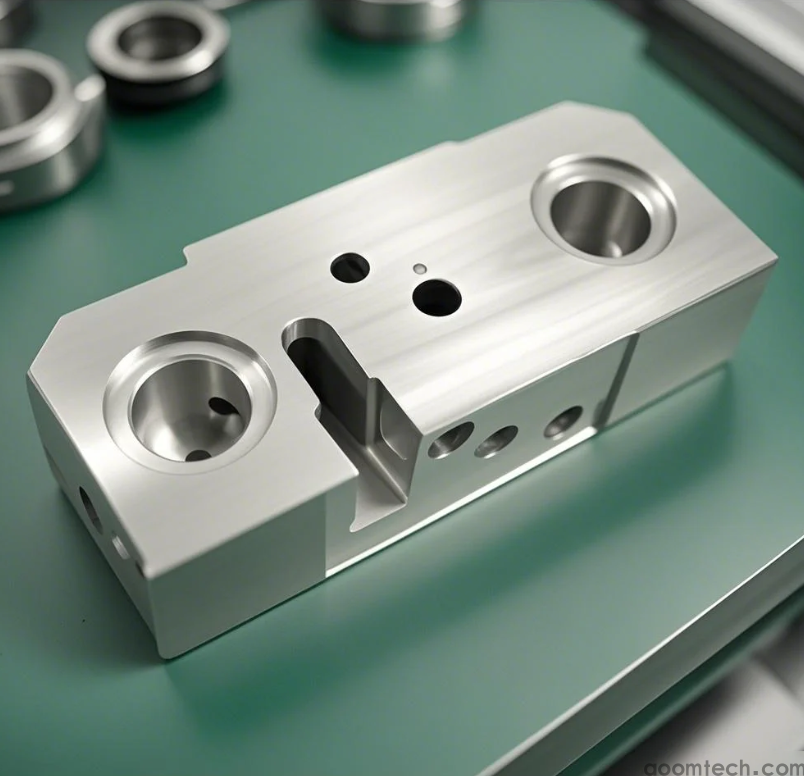
So, What Really Drives The Cost of Your CNC Parts?
In a nutshell, everything about your part and how you want it made plays a role. Think of it like ordering a custom suit. The fabric (material), the complexity of the design (part geometry), how many you need (quantity), and the finishing touches (surface treatment) all change the final bill. A CNC machine shop calculates the quote by estimating the time and resources needed for each of these steps. Let's break down the big ones.
#1: Your Part Design & Geometry – The Blueprint of Cost
This is where it all starts. A simple block is cheap; a complex aerospace component is not. Here’s what designers and engineers should keep an eye on:
Tight Tolerances: Asking for a tolerance of ±.05mm is standard. But if your drawing says ±.01mm, the machine needs to slow down, use special tools, and involve more inspection. This precision costs significantly more time and money.
Thin Walls & Deep Pockets: Machining a deep, narrow cavity or a very thin wall requires extra passes, specialized tools, and extreme care to avoid vibration or breakage. It’s a slower, more delicate process.
Overall Size: Simply put, a bigger part uses more raw material and may require a larger, more expensive machine to produce.
My take? I always advise teams to practice “Design for Manufacturability” (DFM). Sometimes, a tiny tweak to a corner radius or a slight relaxation of a non-critical tolerance can slash the cost without hurting the part’s function. It’s a conversation worth having with your machining partner early on.
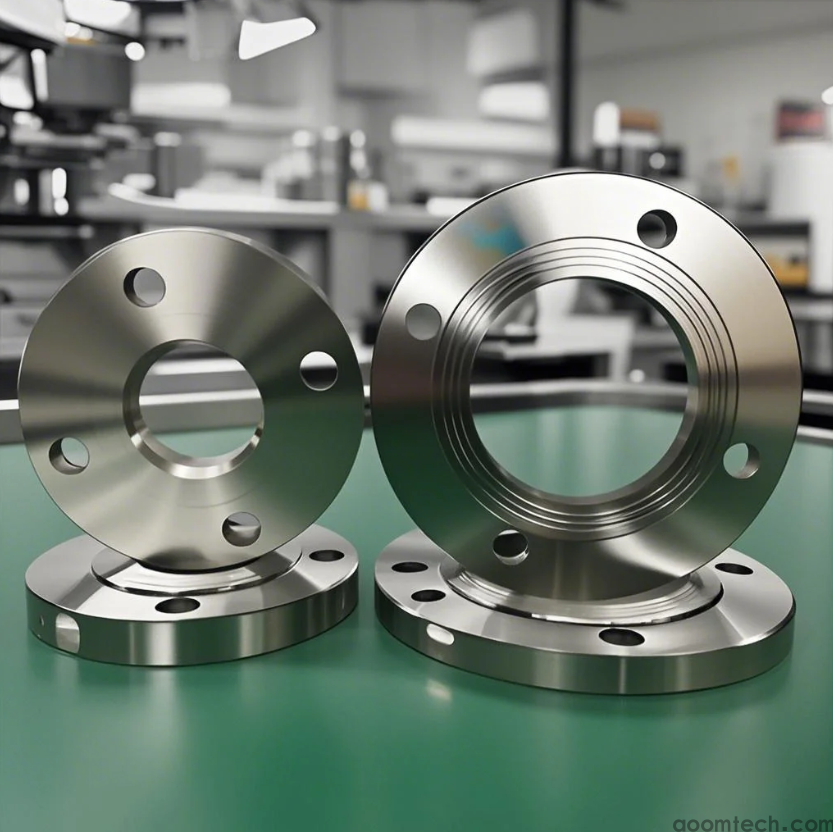
#2: Material Choice – Not All Metal (or Plastic) is Created Equal
The raw stock you choose is a huge chunk of the quote. But it’s not just about the price per kilogram of the material itself.
Material Cost: 6061 aluminum is common and relatively affordable. 304 stainless steel costs more. Exotics like titanium or PEEK plastic will make the price jump.
Machinability: This is the hidden factor! Aluminum is soft and cuts like butter, leading to faster machining times. Stainless steel is tougher and harder on tools, so it takes longer and wears out tools faster. A “cheaper” material that’s hard to machine might end up costing more in labor than a “pricier” but easier-to-machine alternative.
#3: Order Quantity – The Magic of Volume
This one seems obvious, but the *why* is important. For one-off prototypes, the cost is high because the shop has to write the CNC program, set up the machine, and possibly make custom fixtures—all for just one piece. That setup time and cost gets amortized over the entire batch for larger orders. So, the price per part drops dramatically. However, and here’s a twist, the drop isn’t always a straight line. After a certain point, the savings from volume diminish, and material cost becomes the dominant factor.
#4: Machining Time & Labor – The Clock is Ticking
Machine shops often charge based on machine time. This is the core of the “how much” question. The computer (CAM software) estimates how long the machine will run to make your part. A complex 3D contour takes longer than a simple drilled hole. This time, multiplied by the shop’s hourly machine rate, is a key figure. Then you add in the skilled labor for setup, monitoring, and post-processing.
But here’s a common logic flaw people make: they only compare the final “per part” price. A slightly higher quote from a shop with automated cells and experienced programmers might actually mean *less* machining time and a more reliable delivery. The cheaper shop might be using older, slower machines. You’re not just paying for the part; you’re paying for time, expertise, and reliability.
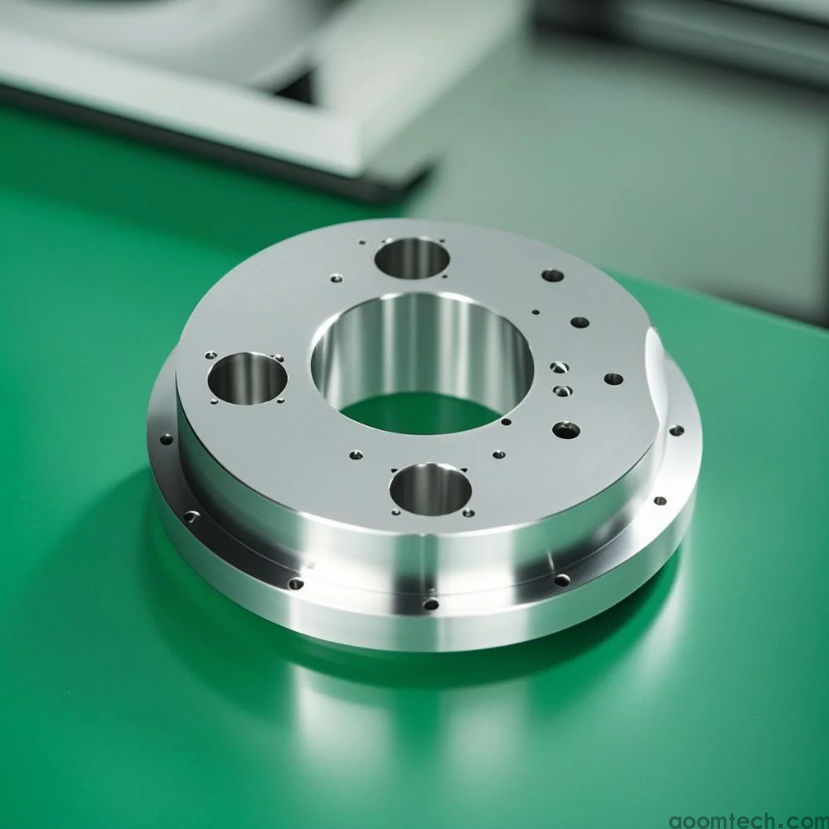
#5: Surface Finish & Secondary Operations
As-machined parts have visible tool marks. If you need a smooth, polished, or colored finish, that’s extra work. Bead blasting, anodizing, powder coating, or plating—each adds steps, time, and cost. Also, consider quality control. Does the part need a basic caliper check, or full CMM (Coordinate Measuring Machine) inspection with a detailed report? More thorough inspection means more cost, but also more peace of mind.
Getting a Quote That Makes Sense For You
Now that you know the “why” behind the numbers, you can be a smarter buyer. To get the most accurate and competitive quote, provide clear, complete information: a detailed 3D model (STEP or IGES file is best) and a 2D drawing with critical dimensions and tolerances clearly called out. Specify the material, quantity, and desired surface finish.
Armed with this knowledge, you can have a productive conversation with potential suppliers. Instead of just asking “how much?”, you can ask *informed* questions: “Can we adjust this tolerance to reduce cost?” or “Is there a more machinable grade of this material?” This collaborative approach perhaps suggests you’re a serious, knowledgeable partner, which often leads to better service and better pricing.
Feeling ready to get a transparent quote for your next project? A good machining partner will be happy to walk you through these factors. ? The best next step is to share your project details with a specialist who can provide a tailored analysis.
 Small Batch Precision Parts CN
How to Ensure Precision in CNC
How to Calculate CNC Machining
How is the price calculated fo
Small Batch Precision Parts CN
How to Ensure Precision in CNC
How to Calculate CNC Machining
How is the price calculated fo