


Custom CNC Machining Service for Precision Automotive Molds
Custom CNC Machining Service for Precision Automotive Molds
In the automotive industry, precision is everything. Even a tiny error in a mold can lead to parts that do not fit, reduce product quality, or increase production costs. Many manufacturers face the same problem: they need high-precision molds, but they are unsure where to start when choosing a Custom CNC Machining Service for Precision Automotive Molds. Concerns often include whether the final mold will meet strict tolerances, how the process works, and whether the cost will stay under control.
This article explains the full process in a simple and practical way. It is designed to help you understand how automotive molds are made, how precision is ensured, and how to choose a cost-effective solution without sacrificing quality.
Understanding the Custom CNC Machining Process for Automotive Molds
The custom CNC machining process for automotive molds is a step-by-step workflow that transforms a digital design into a highly precise physical mold. CNC machines use computer-controlled tools to cut, shape, and finish metal materials with extremely high accuracy.
For automotive molds, this process is especially important because these molds are used for mass production. Any small defect in the mold can be repeated thousands of times in final products.
High accuracy is required (often within microns)
Surface finish must be smooth to reduce friction and defects
Durability is essential for long production cycles
Step 1: Design Phase – The Foundation of Precision
The first and most important stage in any Custom CNC Machining Service for Precision Automotive Molds is the design phase. A detailed CAD (Computer-Aided Design) model is created before any machining begins.
At this stage, engineers define the mold’s shape, size, cooling channels, injection points, and functional structure. A poorly designed mold can lead to production failure, even if machining quality is high.
Key Design Considerations
Accurate geometry and tight tolerances
Material flow and cooling efficiency
Ease of manufacturing and assembly
It is also important to collaborate with the machining service provider early. This helps ensure the design is manufacturable and reduces costly revisions later.
Step 2: Material Selection – Balancing Strength and Precision
Material choice plays a major role in mold performance and lifespan. In automotive applications, steel alloys are commonly used because of their strength, hardness, and resistance to wear.
Choosing the right material is not just about durability. It also affects machining accuracy and surface quality.
Common Materials for Automotive Molds
H13 tool steel – excellent heat resistance and toughness
P20 steel – widely used for plastic injection molds
Stainless steel – corrosion resistance for special environments
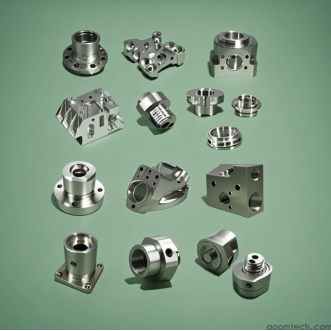
Using high-quality materials ensures better results in ensuring precision in automotive mold CNC machining and extends the mold’s service life.
Step 3: CNC Machining Process – Turning Design into Reality
Once the design and material are ready, the actual machining begins. This stage involves multiple processes, each contributing to the final precision of the mold.
Main Machining Operations
Milling: Used to shape complex surfaces and cavities
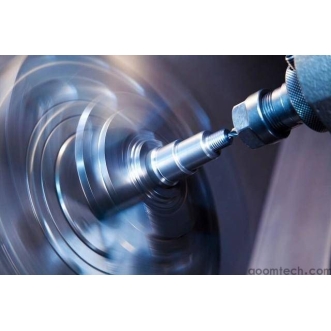
Turning: Used for cylindrical parts of the mold
EDM (Electrical Discharge Machining): Used for fine details and hard materials
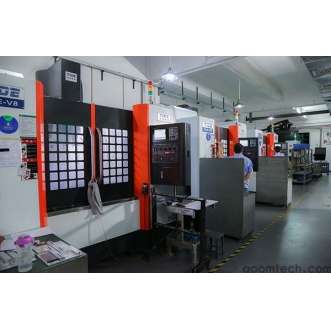
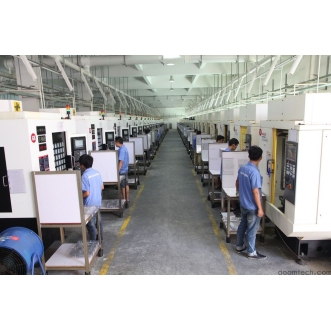
Modern CNC machines are capable of multi-axis movement, allowing highly complex shapes to be produced in a single setup. Skilled operators are also essential, as they monitor tool paths, adjust parameters, and ensure stability during machining.
Without advanced equipment and experience, it is difficult to achieve the precision required for automotive applications.
Step 4: Quality Control in Custom Automotive Mold Machining
Quality control is one of the most important parts of quality control in custom automotive mold machining. Even small deviations can lead to serious production issues later.
In-Process Inspection
During machining, technicians regularly check dimensions using precision tools such as calipers, micrometers, and coordinate measuring machines (CMM). This ensures errors are detected early.
Final Inspection
After machining is completed, the mold undergoes a full inspection. This includes:
Dimensional accuracy checks
Surface roughness testing
Assembly fit testing
A reliable CNC service provider will always follow strict inspection standards to ensure consistent quality and performance.
Step 5: Cost-Effective CNC Solutions for Automotive Molds
Many companies worry about cost when choosing a machining partner. However, cost-effective custom CNC for automotive molds is possible with the right approach.
How to Optimize Cost Without Losing Quality
Optimize design to reduce unnecessary complexity
Choose materials that balance cost and performance
Use efficient machining strategies to reduce machine time
Minimize material waste through smart nesting and planning
Another important factor is choosing an experienced service provider. Skilled manufacturers can reduce errors, shorten production time, and improve overall efficiency, which directly lowers cost.
Conclusion
Choosing a Custom CNC Machining Service for Precision Automotive Molds requires careful attention to design, materials, machining processes, quality control, and cost management. Each step plays a critical role in ensuring the final mold meets strict automotive industry standards.
By understanding the full workflow—from CAD design to final inspection—you can make better decisions and avoid common mistakes that lead to delays or extra costs.
If you want to learn more about automotive mold manufacturing or explore professional CNC machining solutions, visit our CNC machining resources page to get detailed technical guidance and service options.
 How to Ensure Precision in CNC
 Small Batch Precision CNC Mach
 What surface finish can CNC ma
 CNC Machining Tolerance Settin