


Custom CNC Prototyping Service
Custom CNC Prototyping Service: A Complete Guide for Modern Product Development
Introduction to Custom CNC Prototyping Service
Definition and Significance
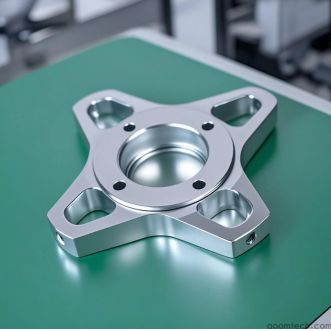
A Custom CNC Prototyping Service uses Computer Numerical Control (CNC) machines to produce one-off or small-batch prototypes based on a custom design. These prototypes are physical parts created directly from digital CAD models using automated machining tools.
This service is very important in industries such as engineering, product development, automotive, aerospace, and consumer electronics. It allows designers and engineers to test ideas before starting mass production.
For example, a tech startup may use CNC prototyping to build a prototype of a new smart device casing. An automotive company may test a new engine bracket design before committing to full production. These prototypes help reduce risks and improve product quality.
Benefits of Custom CNC Prototyping Service
High Precision and Accuracy
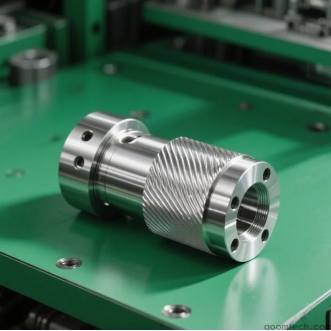
One of the main benefits of custom CNC prototyping service is its high precision. CNC machines follow programmed instructions with extreme accuracy, often achieving tolerances as tight as ±0.01 mm depending on the machine and material.
This level of precision ensures that the prototype closely matches the final product design. In industries like medical devices, even a small error can affect performance. For example, a surgical tool prototype must fit and function perfectly during testing to ensure patient safety.
High precision also reduces errors in later production stages, saving time and cost.
Material Variety and Compatibility
A major advantage of CNC prototyping is the wide range of materials available. A custom CNC prototyping service can work with metals, plastics, and composite materials depending on the project requirements.
Aluminum: Lightweight, easy to machine, ideal for aerospace and electronics
Stainless steel: Strong and corrosion-resistant, used in industrial and medical parts
Titanium: High strength-to-weight ratio, used in aerospace and medical implants
Plastics (ABS, Nylon, PEEK): Used for consumer products and functional testing
For example, outdoor furniture prototypes may use UV-resistant plastics to test weather durability, while automotive prototypes may use aluminum or steel to simulate real-world performance.
Cost-Effectiveness for Small-Scale Production
CNC prototyping is cost-effective because it does not require expensive molds or tooling. Traditional manufacturing methods often involve high setup costs, especially for injection molding or casting.
With CNC machining, the process is directly controlled by digital files, reducing setup time and material waste. This makes it especially useful for startups and small businesses that need prototypes without large budgets.
For instance, producing five CNC prototypes is often significantly cheaper than creating a mold for a single injection-molded test batch.
The Custom CNC Prototyping Process
Design Submission and Review
The process begins when the client submits a CAD file or technical drawing. The custom CNC prototyping process starts with reviewing this design to ensure it can be manufactured efficiently.
Engineers may suggest improvements such as adjusting wall thickness, simplifying geometry, or improving structural strength. This stage is important because it helps avoid production issues later.
Clear communication between the client and the service provider ensures the prototype meets expectations.
Material Selection and Procurement
Next, the appropriate material is selected based on performance needs, environment, and budget. Material choice directly affects the prototype’s strength, durability, and appearance.
For example:
Heat-resistant materials for engine components
Flexible plastics for consumer product enclosures
Strong metals for structural parts
After selection, the CNC service provider sources and prepares the material for machining.
CNC Machining and Finishing
In this stage, CNC machines such as milling machines, lathes, or routers shape the material into the final prototype. The machine follows precise digital instructions to remove material layer by layer.
After machining, finishing processes may be applied, such as:
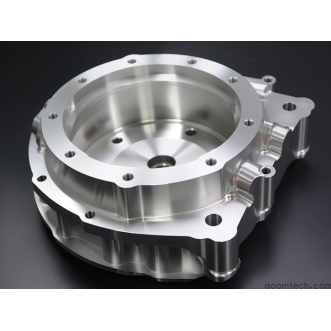
Sanding to smooth surfaces
Polishing for improved appearance
Anodizing or plating for corrosion resistance
Painting or coating for visual or functional purposes
These finishing steps help the prototype look and perform closer to the final production version.
Quality Inspection and Delivery
Every prototype goes through strict quality inspection before delivery. This ensures the part matches design specifications and performance requirements.
Common inspection tools include:
Calipers for basic measurements
Micrometers for precise dimensions
Coordinate Measuring Machines (CMM) for advanced accuracy checks
If a prototype does not meet requirements, it is corrected or remade. Once approved, it is carefully packaged and delivered to the client for testing and evaluation.
How to Choose a Custom CNC Prototyping Service
Machine and Equipment Capabilities
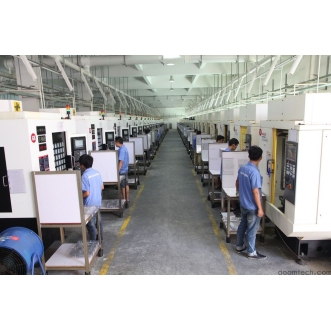
When choosing a custom CNC prototyping service, one of the most important factors is the capability of their machines. Advanced CNC equipment allows for higher precision and more complex designs.
Multi-axis machines (such as 3-axis, 4-axis, or 5-axis CNC systems) are especially important for complex geometries. These machines can produce intricate shapes in fewer setups, improving both accuracy and efficiency.
A well-equipped workshop ensures that a wide range of materials and designs can be handled without limitations.
Experience and Expertise
Experience plays a key role in CNC prototyping quality. A provider with strong industry experience understands material behavior, machining limits, and design optimization techniques.
Experienced engineers can solve common problems such as thermal deformation, tool wear, and surface finishing challenges.
When evaluating a service provider, ask for:
Case studies from similar industries
Previous prototype samples
Technical consultation support
This helps confirm their expertise and reliability.
Cost and Turnaround Time
Cost is important, but it should be balanced with quality and service reliability. A cheaper option may not always deliver the best results, especially for complex prototypes.
When comparing providers, consider:
Material quality
Machining accuracy
Finishing standards
Customer support
Turnaround time is also critical. Fast delivery is important for product development cycles, but rushed production may affect quality. A good service provider offers a balance between speed and precision.
Conclusion
A Custom CNC Prototyping Service is an essential part of modern product development. It allows companies to turn digital designs into real, functional prototypes quickly and accurately.
With advantages such as high precision, material flexibility, and cost efficiency, CNC prototyping supports innovation across many industries. Understanding the custom CNC prototyping process and knowing how to evaluate providers helps businesses reduce risk and improve product success.
By carefully selecting the right partner and focusing on quality and expertise, companies can fully benefit from professional CNC prototyping services and bring better products to market faster.
 How to Ensure Precision in CNC
 Small Batch Precision CNC Mach
 What surface finish can CNC ma
 CNC Machining Tolerance Settin