


Custom CNC Machining Service for Steel Parts
Custom CNC Machining Service for Steel Parts
A Custom CNC Machining Service for Steel Parts plays a key role in modern manufacturing. Steel components are widely used in industries such as automotive, construction, machinery, energy, and heavy equipment. Because every application has different mechanical and design requirements, standard parts are often not enough. Custom CNC machining solves this problem by producing steel parts with exact dimensions, specific performance needs, and reliable consistency.
This article explains what custom CNC machining offers, how the process works, and how to choose the right service provider for your project.
Introduction to Custom CNC Machining of Steel Parts
The Need for Customization
Steel is one of the most important engineering materials due to its strength, durability, and wide availability. However, different industries require different types of steel parts. This is why custom manufacturing is in high demand.
For example, in the automotive industry, a custom-designed steel bracket may be required for a new vehicle model. In industrial machinery, a high-precision steel gear may be needed to improve performance and reduce wear. In construction, custom steel connectors are often used to ensure structural safety and stability.
These examples show why Custom CNC Machining Service for Steel Parts is essential for producing components that fit exact design and performance requirements.
The Custom CNC Machining Process for Steel Parts
Design and Consultation
The first step in the custom CNC machining process for steel parts is design and consultation. Customers usually provide CAD drawings, 3D models, or detailed specifications describing the part’s size, shape, and function.
At this stage, the machining service provider may review the design and suggest improvements. For example, they may recommend simplifying complex geometries, adjusting wall thickness for better strength, or modifying features to reduce machining cost while maintaining performance.
Clear communication is important here. Any misunderstanding in design can lead to production errors or performance issues later.
Material Selection
Material selection is a critical step in steel part manufacturing. Different types of steel offer different properties:
Carbon Steel – Cost-effective and suitable for general-purpose applications.
Alloy Steel – Offers higher strength and hardness, ideal for heavy-load components.
Stainless Steel – Provides excellent corrosion resistance, often used in food processing and medical equipment.
For example, 4140 alloy steel is commonly used for gears and shafts due to its strength and toughness, while 304 stainless steel is widely used in food-grade equipment because of its corrosion resistance and cleanliness.
Choosing the right material ensures performance, durability, and cost efficiency in any Custom CNC Machining Service for Steel Parts project.
CNC Machining Operations
The machining stage involves several key operations:
Milling – Used to create flat surfaces, slots, and complex 3D shapes.
Turning – Used for cylindrical parts such as shafts and bushings.
Drilling – Used to create precise holes for fastening or assembly.
Each operation requires careful selection of cutting tools, speed, and feed rate. For steel machining, carbide tools are commonly used due to their hardness and wear resistance. Cutting parameters must be adjusted depending on steel hardness to avoid tool wear and ensure surface quality.
This stage is the core of the custom CNC machining process for steel parts, where digital designs are turned into real, functional components.
Quality Assurance in Custom CNC Machining of Steel Parts
In-Process Inspection
Quality control begins during production. In-process inspection ensures that each machining step meets required specifications. Tools such as calipers, micrometers, and coordinate measuring machines (CMM) are used to check dimensions and surface accuracy.
For example, during shaft production, the diameter must be checked regularly to ensure it stays within tolerance. Flat surfaces must also be measured to confirm they meet design requirements.
This stage is an important part of quality assurance in steel part CNC machining service because it helps detect errors early and prevents waste.
Final Inspection and Testing
After machining is completed, a final inspection is performed. This includes checking all dimensions, surface finish quality, and sometimes functional performance tests.
For example, a steel component used in a load-bearing system may be tested under simulated working conditions to ensure it can handle stress without deformation or failure.
If a part fails inspection, it may be reworked or rejected depending on the severity of the issue. This ensures only high-quality parts are delivered to customers.
Benefits of Choosing a Custom CNC Machining Service for Steel Parts
Precision and Accuracy
One of the biggest advantages of CNC machining is high precision. Computer-controlled machines can achieve very tight tolerances, often within ±0.01 mm depending on the application.
This level of accuracy is essential for parts that must fit together perfectly, such as engine components, gear systems, and precision machinery assemblies.
High precision ensures better performance, longer service life, and fewer assembly issues.
Customization and Flexibility
A major benefit of a Custom CNC Machining Service for Steel Parts is flexibility. Customers can request unique shapes, sizes, and performance characteristics that cannot be achieved with standard parts.
In addition, CNC machining supports both small-batch production and large-scale manufacturing. A prototype can be quickly produced, tested, and later scaled into mass production if needed.
This flexibility makes CNC machining suitable for startups, product developers, and large industrial companies alike.
How to Choose a Custom CNC Machining Service for Steel Parts
Machine and Equipment Capabilities
When selecting a provider, it is important to evaluate their equipment. A reliable supplier should have CNC milling machines, lathes, and drilling systems capable of handling different steel grades and part complexities.
Advanced multi-axis machines (such as 4-axis or 5-axis CNC systems) allow for more complex geometries and higher precision. Regular maintenance and modern equipment also improve production stability and quality.
This is a key factor in choosing a custom steel part CNC machining service that can meet demanding requirements.
Experience and Expertise
Experience matters greatly in steel machining. A skilled provider understands how different steels behave during cutting, heat treatment, and finishing.
Experienced engineers can also optimize designs for manufacturability, reducing cost and improving performance. Asking for past project examples or case studies is a good way to evaluate expertise.
Industries such as automotive, aerospace, and industrial machinery often require highly specialized knowledge, so choosing an experienced partner is essential.
Cost-Effectiveness and Communication
While cost is important, it should not be the only deciding factor. The cheapest option may not always provide the best quality or reliability.
A good service provider offers a balance between price, quality, and delivery time. Transparent pricing and detailed quotations help customers understand where costs come from.
Communication is equally important. A reliable provider should respond quickly, provide updates, and be open to design adjustments when needed. Strong communication reduces errors and ensures smoother project execution.
Conclusion
A Custom CNC Machining Service for Steel Parts is essential for producing high-performance, precise, and reliable components across many industries. From design and material selection to machining, inspection, and final testing, each step plays a critical role in ensuring quality and performance.
By understanding the custom CNC machining process for steel parts, applying strict quality assurance in steel part CNC machining service, and carefully choosing a custom steel part CNC machining service, businesses can achieve better product performance, lower production risks, and improved long-term value.
As industries continue to demand higher precision and customization, CNC machining will remain a core technology in modern manufacturing.
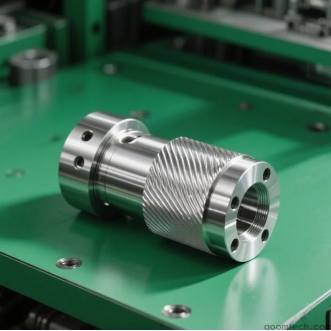 How to Ensure Precision in CNC
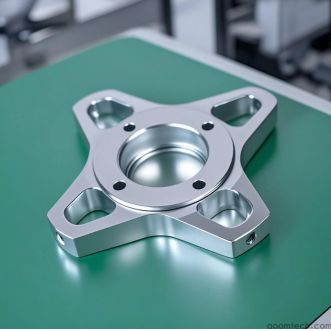 Small Batch Precision CNC Mach
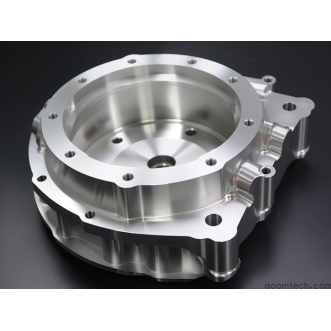 What surface finish can CNC ma
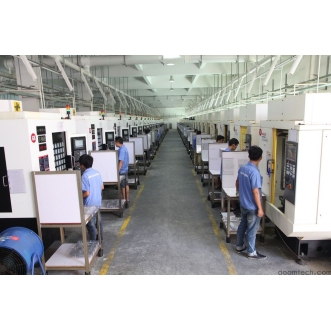 CNC Machining Tolerance Settin