


How to Choose a Reliable CNC Machining Transmission Rod Supplier?
Ever found yourself staring at a broken or underperforming transmission rod, wondering where your last CNC machining order went wrong? ? You're not alone. For procurement managers and engineers, finding a supplier who consistently delivers precision, durability, and on-time performance for critical components like CNC machined transmission rods can feel like searching for a needle in a haystack. The market is flooded with options, but quality and reliability are the real challenges. This article cuts through the noise. We'll tackle the core question head-on and give you a practical framework for making your next supplier decision a confident one.
What Exactly Makes a CNC Machined Transmission Rod "Reliable"?
Let's answer the title's question directly. A reliable supplier isn't just about sending a quote fast. It's about a proven track record in delivering transmission rods that hit three non-negotiable marks:
1. Dimensional & Geometric Precision: The rod must match your CAD model exactly. Even tiny deviations can cause vibration, wear, or complete assembly failure.
2. Material Integrity & Consistency: Using the correct grade of steel or aluminum is just the start. The material must have uniform properties, proper heat treatment, and no internal flaws.
3. Surface Finish & Functional Performance: The right surface finish (e.g., anodizing, hardening) is crucial for wear resistance and smooth operation within the assembly.
A supplier that reliably delivers on these three fronts saves you from costly downtime, rework, and product failures.
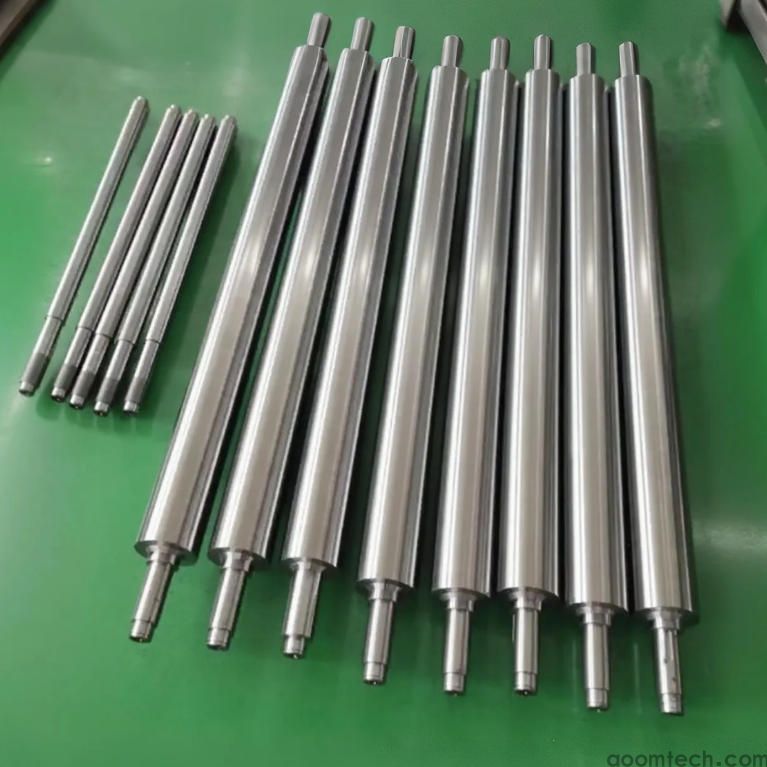
Beyond the Spec Sheet: The Hidden Factors in Supplier Selection
Anyone can claim to have a "quality control system." The devil is in the details. When evaluating a CNC machining partner, you need to dig deeper.
Look for Process Transparency: Can they walk you through their workflow? A good sign is if they discuss their incoming material inspection, their in-process checks during milling/turning, and their final quality audit using tools like CMMs (Coordinate Measuring Machines). This transparency perhaps suggests a systematic approach, not just luck.
Assess Problem-Solving Capability: Instead of just asking "Can you make this?", present a past challenge. Ask, "If we had an issue with thread galling on a previous rod, how would you address it in the machining process?" Their response reveals their engineering depth.
Communication is Part of the Product: Timely updates on order status, proactive alerts about potential delays, and a clear technical point of contact are all part of the delivered "quality." A silent supplier is a red flag.
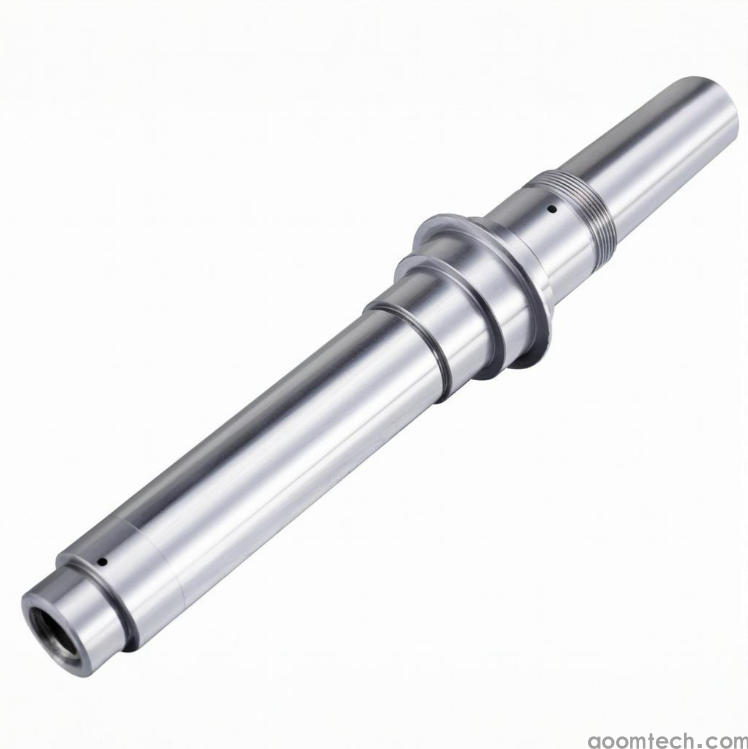
The Material Mystery: Not All Steel is Created Equal
This is where many sourcing decisions stumble. You specify "414 steel," but the performance varies wildly. Why?
The key often lies in the post-machining heat treatment. A transmission rod might need to be tough on the inside but hard on the surface. A reliable supplier will have a controlled process for treatments like quenching and tempering to achieve the exact hardness (like HRC 28-32) you need. They should provide material certifications and even be willing to do sample testing. However, it's worth mentioning that chasing the absolute highest hardness can sometimes lead to brittleness—a good partner will discuss this trade-off with you.
Cost vs. Value: Why the Cheapest Quote is Often the Most Expensive
We get it. Budgets are tight. But with precision components, low cost often comes from cutting corners: using cheaper, off-spec material, skipping inspection steps, or overworking machines without proper maintenance. The result? Rods that fail prematurely, causing production line stoppages that cost thousands per hour.
Think in terms of Total Cost of Ownership (TCO):
• Purchase Price (the quote)
• Failure Cost (downtime, repair, reputation)
• Integration Cost (easy assembly vs. requiring rework)
A slightly higher initial price from a capable supplier that minimizes failure and integration costs delivers far greater long-term value.
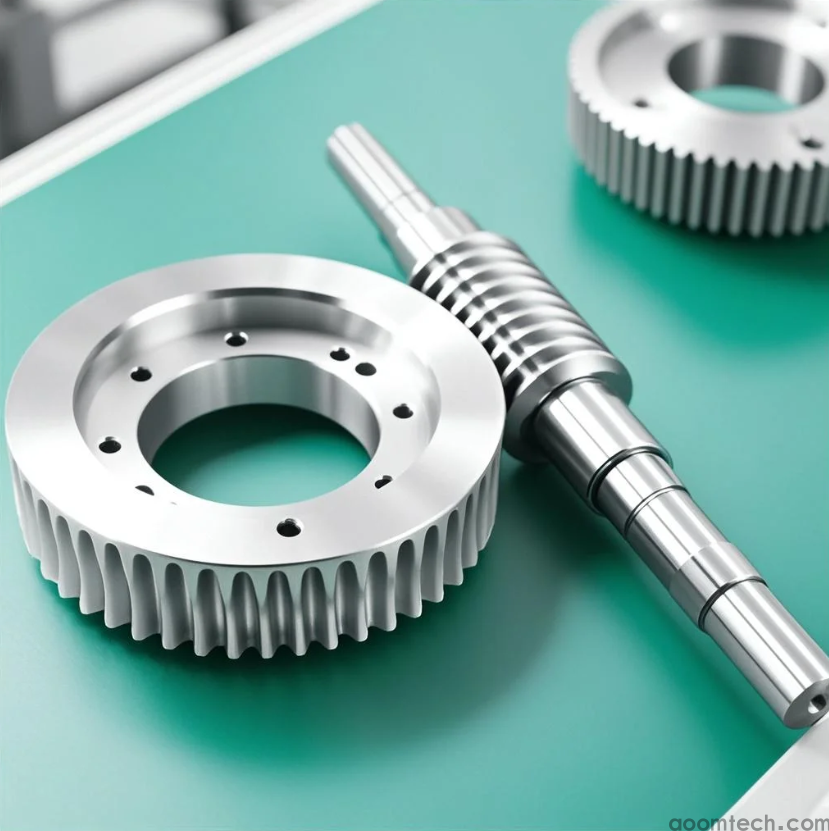
Your Next Step: How to Start a Meaningful Conversation
Armed with this framework, you're ready to move from vague inquiries to targeted vetting. Instead of just requesting a quote for a "transmission rod," prepare a package that includes:
1. Detailed drawings with critical tolerances clearly marked.
2. Information on the operating environment (load, speed, exposure to elements).
3. Your required quality documentation (e.g., First Article Inspection report, material certs).
4. A request for a brief call to discuss their process for ensuring consistency on long-run orders.
This approach immediately separates serious, professional workshops from amateur shops. It shows you value quality and are a knowledgeable partner worth their best effort.
Ready to put this into practice with a supplier who gets it? The right partnership starts with a conversation. ? [Contact our technical team today] to discuss your specific transmission rod requirements and get a detailed, transparent proposal. Let's build something reliable together.
 Small Batch Precision Parts CN
How to Ensure Precision in CNC
How to Calculate CNC Machining
How is the price calculated fo
Small Batch Precision Parts CN
How to Ensure Precision in CNC
How to Calculate CNC Machining
How is the price calculated fo