


How to Calculate CNC Machining Cost
Ever get a CNC machining quote and think, “Wait, how did they even come up with this number?” ? You’re not alone. For procurement managers and engineers, an unclear cost breakdown is a major headache. It makes budgeting tough and comparing suppliers feel like comparing apples to oranges. So, let’s cut through the noise. The most straightforward way to calculate CNC machining cost is by using this core formula: Cost = (Machine Hourly Rate × Machining Time) + Material Cost + Setup Cost + (Any Additional Finishing/Treatment Costs). But, and this is a big but, this formula is just the starting point. The real skill lies in understanding what goes into each of these variables. Let’s break it down together.
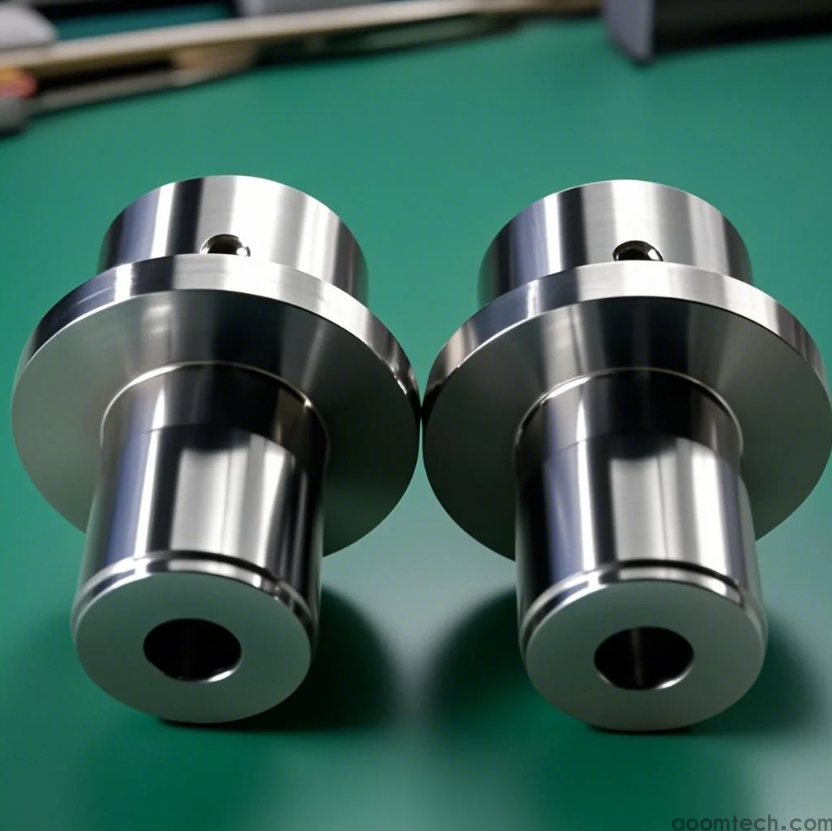
What's Really in the “Machine Hourly Rate”?
This isn't just the electricity bill. Think of it as the shop’s “all-in” operational cost per hour for running that specific CNC machine.
- ? Machine Depreciation: The cost of the machine itself, spread out over its lifespan.
- ?? Labor & Overhead: The operator’s wage, but also the building rent, management, and software licenses.
- ⚡ Consumables & Maintenance: Cutting tools (which wear out fast!), coolant, lubricants, and regular machine servicing.
A high-precision 5-axis machine will have a much higher hourly rate than a standard 3-axis one. That’s why the first question you should often ask is, “What machine will this run on?”

Machining Time: The Biggest Wildcard
This is where quotes can vary wildly. The time estimate comes from the CAM software, but it depends heavily on two human factors:
- Programming & Toolpath Strategy: An experienced programmer can find ways to shave minutes off a cycle time by optimizing the tool’s path. A less optimal path means longer running time and higher cost.
- Cutting Parameters (Feeds & Speeds): Pushing the machine too fast can break tools; going too slow wastes time. Finding the perfect balance is an art. This is why sending a clean, well-designed 3D model (like STEP) is crucial—it gives the programmer the best starting point.
Material Cost & Setup: The Often-Overlooked Parts
Material cost seems simple, right? Price per kg of aluminum or stainless steel. But here’s the catch: you’re paying for the entire raw stock billet, not just the part that ends up in your hand. The rest turns into chips (swarf). So, part design that minimizes waste can save money. ?
Setup cost is a fixed fee, whether you make 1 piece or 50. It covers the time to install fixtures, load the raw material, set up tools, and run the first article inspection. For small batches, this cost per part is high. For large batches, it gets diluted. This perhaps suggests that the sweet spot for cost-effectiveness isn't always the biggest batch, but the one that optimally balances setup with run time.
The “Hidden” Factors That Don’t Fit Neatly in the Formula
Okay, so you have the formula. But a quote isn’t just math. Here’s where my own experience kicks in. You have to consider:
- ✅ Tolerances & Surface Finish: Asking for a ±.025mm tolerance versus a ±.1mm tolerance can double the machining time due to slower, more precise passes and extra inspection steps.
- ✅ Order Quantity & Lead Time: Need it in 3 days? That might require overtime or disrupting other jobs, which adds a premium. Planning ahead usually pays off.
- ✅ Supplier’s Expertise & Location: A shop specializing in medical devices might charge more than a general job shop—but they also understand critical cleanliness and documentation requirements. Sometimes, that’s worth the premium.
However, having said that... the cheapest hourly rate doesn’t mean the lowest total cost. A slower, cheaper shop might take twice as long to finish the job, nullifying the rate advantage.
Your Next Step: From Calculation to Accurate Quote
Now you know the pieces of the puzzle. You can look at a drawing and make a rough mental estimate. But to get a real, apples-to-apples quote, you need to provide clear information. When you reach out, be ready to share your 3D files, material spec, quantity, tolerances, and required finish.
The best way to see how this all applies to your specific part? Talk to an expert who can walk you through it. A quick conversation can often identify cost-saving opportunities you might have missed.
? Ready to move from estimation to a precise, transparent quote? Our engineering team is here to analyze your project and break down the costs with you, line by line. Get in touch with our online Customer Support today for a no-obligation assessment.
--
A final thought from someone who’s seen hundreds of quotes: The most valuable supplier isn’t the one with the lowest bottom line on page one, but the one who can explain the numbers on page two and help you optimize for page three (which is your product’s success). ?
 Small Batch Precision Parts CN
How to Ensure Precision in CNC
How to Calculate CNC Machining
How is the price calculated fo
Small Batch Precision Parts CN
How to Ensure Precision in CNC
How to Calculate CNC Machining
How is the price calculated fo