


Small Batch Precision Parts CNC Machining Manufacturer
Hey there, fellow engineers and procurement pros! ? Ever feel stuck in that frustrating loop? You've got a brilliant design, maybe for a prototype, a limited production run, or a critical replacement part. You need it made with CNC precision, but the big factories only want orders in the thousands. You search for "CNC machining manufacturer" and get lost in a sea of vague promises. So, how do you actually find a reliable partner who welcomes small batch precision parts work? Let's break it down, step by step.
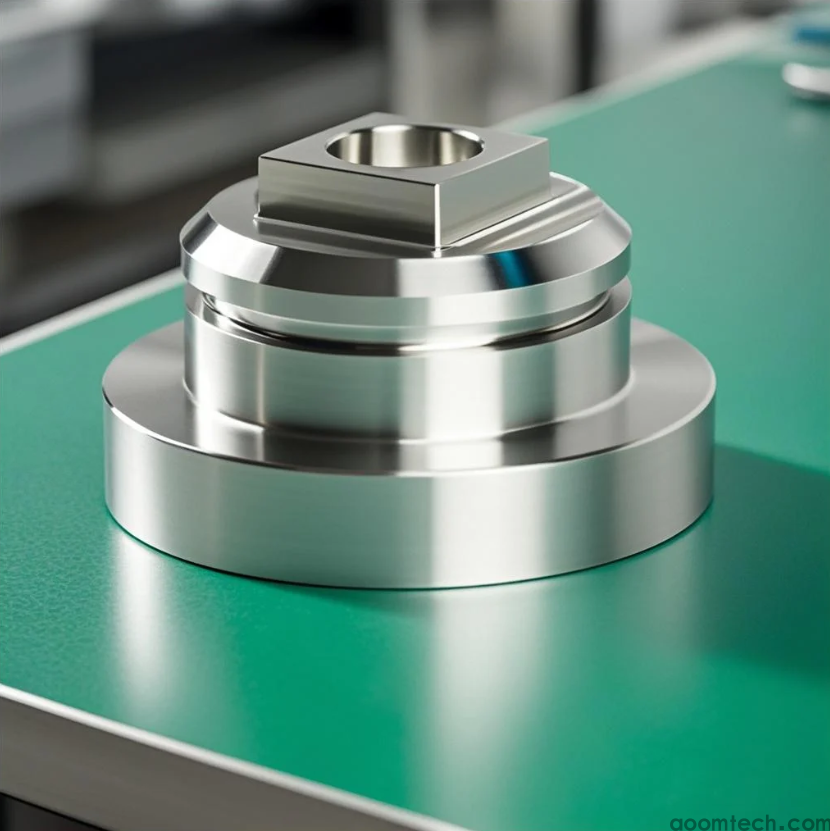
What Exactly is a "Small Batch" in CNC Machining?
First things first, let's get on the same page. When we talk "small batch" in the precision parts world, we're usually looking at quantities from a single piece (prototype) up to around 100-500 pieces. It's not about mass production; it's about quality, flexibility, and attention to detail. The right manufacturer for this job sees your small order not as a nuisance, but as the start of a partnership.
Why is Finding the Right Small Batch Manufacturer So Tricky?
It seems like it should be simple, right? But here's the rub. Many large-scale shops have high minimum order quantities (MOQs) because their profit is in volume. Setting up a machine for a run of 50 parts takes almost as much engineering and setup time as for 500, but the revenue is less. However, that doesn't mean it's not valuable work. A specialized small-batch manufacturer structures their entire process around this efficiency challenge. They might use faster setup techniques, have more flexible sche ** ng, and their engineers are pros at optimizing low-volume runs. The key is finding that shop.
What Should You REALLY Look For? (Beyond the Price Tag)
Sure, cost matters. But with precision parts, the cheapest option can be the most expensive mistake. Here’s what I often advise my clients to prioritize:
1. Communication & Responsiveness: Can you actually talk to an engineer? When you send an RFQ, do they ask smart questions about your design's function, or just spit back a price? For small batches, clear communication is your #1 quality control.
2. In-House Capability Breadth: Do they handle everything from milling, turning, to finishing (like anodizing or plating) under one roof? This saves huge time and coordination headaches on your end.
3. Willingness for Design Feedback (DFM): A good partner will look at your CAD file and might say, "Hey, this internal corner could be machined more easily if we adjust the radius by .5mm, saving you cost with no performance loss." That's gold.
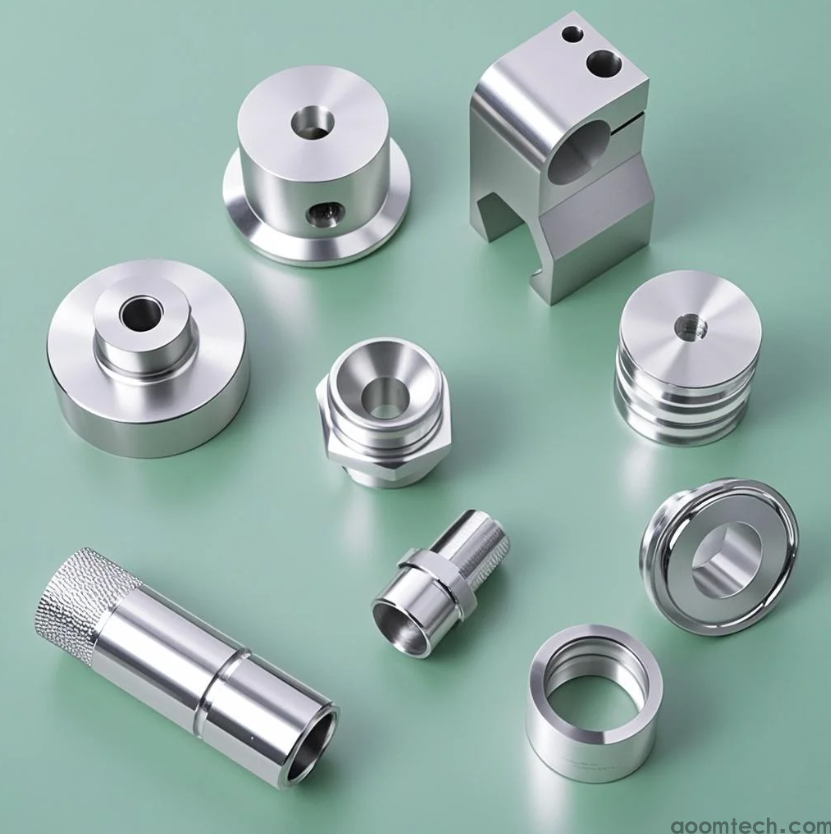
4. Proven Track Record with Samples: Any reputable shop should be able to show you examples (photos, even physical samples) of similar small-batch work they've done. No examples? Big red flag. ?
Okay, But How Do You Actually Vet Them?
Let's get practical. You've found a few potential "Small Batch Precision Parts CNC Machining Manufacturer" candidates online. Now what?
Step 1: The Initial RFQ Test: Send your drawing to 2-3 shops. Look at the questions they ask, not just the quote. The best ones will engage.
Step 2: Ask for a Sample or Similar Case Study: Be direct. "Can you show me a case study for a small batch medical device component or aerospace bracket you machined?" Their response will tell you volumes.
Step 3: Discuss Their Process: Ask about their quality control for first articles. Do they do 100% inspection on small batches? How do they handle material certifications? Their answers here perhaps indicate their true professionalism more than any marketing slogan.
Step 4: Clarify Logistics: Who handles the shipping? What are the packaging standards for precision parts to prevent damage? Ironing this out early prevents "whoops" moments later.
A Personal Take: The Partnership Mindset
Here's my two cents, from seeing hundreds of these relationships. Viewing a small-batch manufacturer as just a "vendor" is a missed opportunity. Think of them as an extension of your own R&D or maintenance team. When you find a shop that gets this, the benefits multiply. They learn your standards, you learn their capabilities, and suddenly, getting critical parts made becomes a smooth, almost predictable process. That peace of mind for your project timeline? Priceless.
不过话说回来..., this does require an investment of time from you upfront to find the right fit. It's not a quick "click-to-buy" thing. But for the success of your project, that initial time spent is the most important step.
Feeling like you have a clearer map now? The journey from a blank search bar to having perfect parts in hand starts with asking the right questions. If you're currently evaluating plans for a small batch run and want to see what a process built around your scale looks like, the next logical step is to start a conversation. Why not share your project requirements and see how a specialized team responds? You can get a detailed consultation and quote by reaching out to our technical team directly through the live chat. ?? Let's see if we can make your design a reality.
 Small Batch Precision Parts CN
How to Ensure Precision in CNC
How to Calculate CNC Machining
How is the price calculated fo
Small Batch Precision Parts CN
How to Ensure Precision in CNC
How to Calculate CNC Machining
How is the price calculated fo