


How to Ensure Precision in CNC Machined Parts
Hey there, fellow procurement managers and engineers! ? Ever placed an order for CNC parts, only to have the final batch come back with dimensions slightly off, or the surface finish not quite up to spec? It's frustrating, right? You're under pressure to keep production lines moving, maintain quality, and control costs. A single batch of out-of-tolerance parts can throw a wrench into everything. So, the million-dollar question we're tackling today is: How do you actually ensure precision when you're getting parts CNC machined? Let's break it down, step by step.
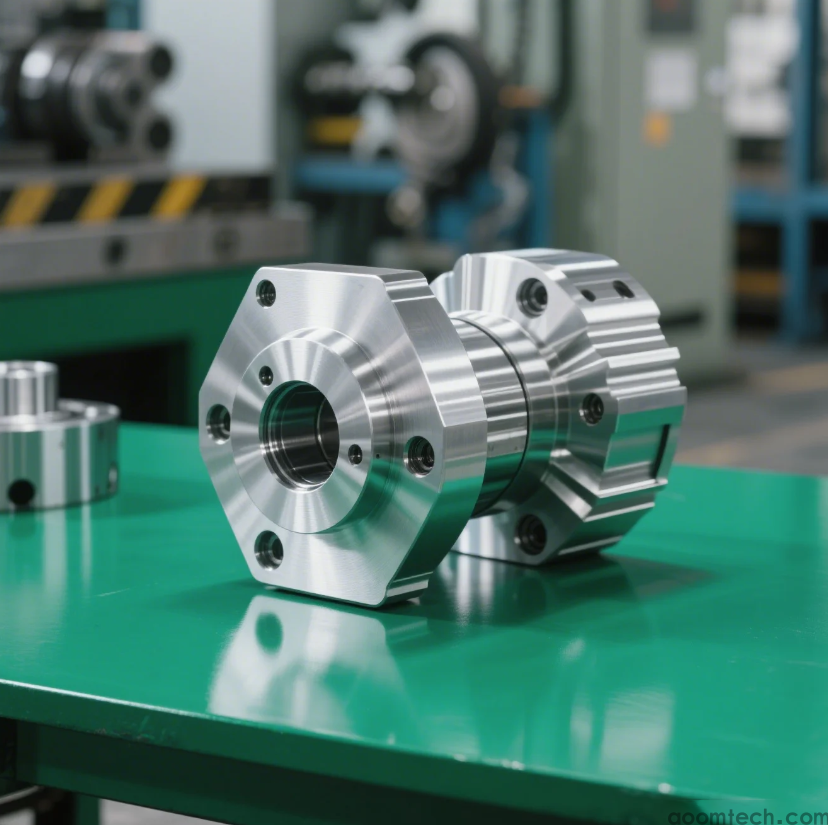
What Does "Precision" Really Mean in CNC Machining?
First things first, we need to be on the same page. When we talk about "precision," we're not just throwing around a fancy word. In the machining world, it boils down to a few concrete things:
✔ Dimensional Accuracy: Does the part match the drawing? Is that 25.00 mm hole actually 25.00 mm, or is it 25.1?
✔ Tight Tolerances: Can the shop consistently hit those +/- .01 mm calls on your blueprint? That's the real test.
✔ Surface Finish: Is the part smooth where it needs to be, or are there visible tool marks? This affects both function and look.
✔ Consistency: Is part #1 identical to part #100? This is crucial for quality control in assembly.
So, ensuring precision means controlling all these factors. It's not magic; it's a system.
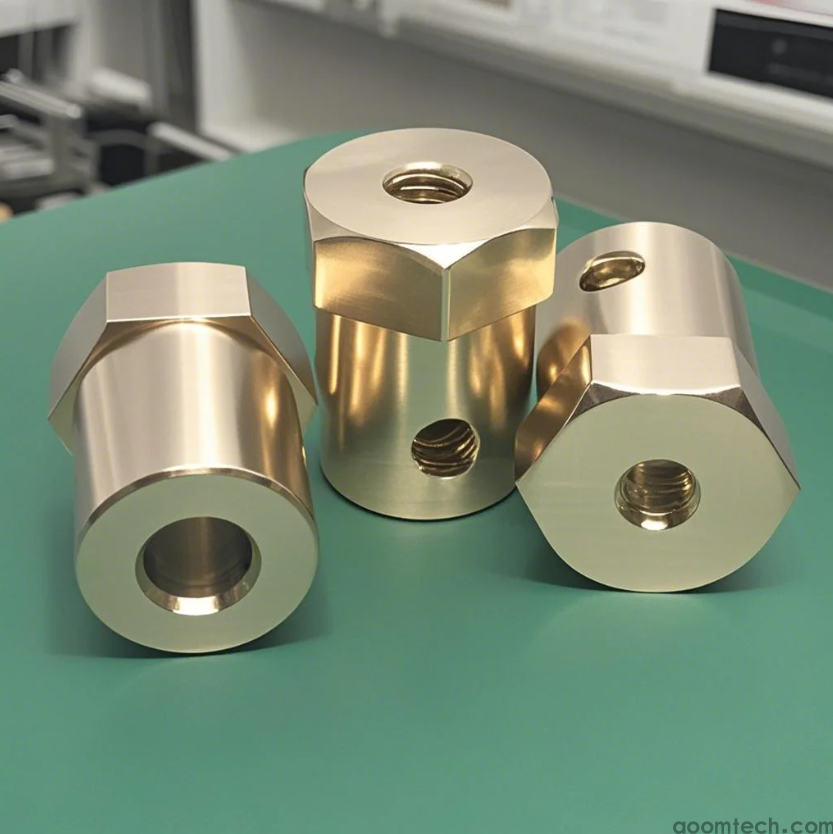
It Starts WAY Before the Machine Even Turns On
A lot of folks think precision is made on the shop floor. I'd argue a huge chunk of it is made at the design and planning stage. You and your supplier need to be partners from the get-go.
? Design for Manufacturability (DFM): This is key! An overly complex design with impossible internal corners or super-thin walls is begging for trouble. A good machining partner will review your drawings and suggest tweaks that make the part easier to machine accurately without changing its function. I often use this feedback loop to save cost and improve reliability.
? Clear Communication: Your technical drawings are the law. Make sure all critical dimensions and tolerances are clearly marked. Don't leave anything to guesswork. The more detail you provide, the fewer surprises later.
The Nuts and Bolts: What Your Machine Shop Should Be Doing
Okay, so the design is solid. Now, how does a competent shop turn that into a precise part? Here's what they should have in their toolkit:
✔ High-Quality Equipment & Regular Maintenance: This seems obvious, but worn-out machines can't hold tight tolerances. Modern CNC mills and lathes with rigid frames and precise ball screws are a must. And they need to be calibrated and maintained on schedule.
✔ Tooling Management: Cutting tools wear down. A good shop monitors tool life and changes tools proactively before they start producing bad parts. Using the right tool for the material (like specific end mills for aluminum vs. stainless steel) is also critical.
✔ Skilled Machinists & Programmers: The best machine is only as good as the person running it. Experienced machinists understand how to set up jobs correctly, choose optimal cutting speeds and feeds, and spot potential issues. The programmer's CAM software choices perhaps suggest the efficiency and accuracy of the toolpath.
✔ In-Process Inspection: Waiting until the end to check parts is a recipe for disaster. Precise shops use tools like digital calipers, micrometers, and even on-machine probes to check critical dimensions during the production run. This catches drift early.
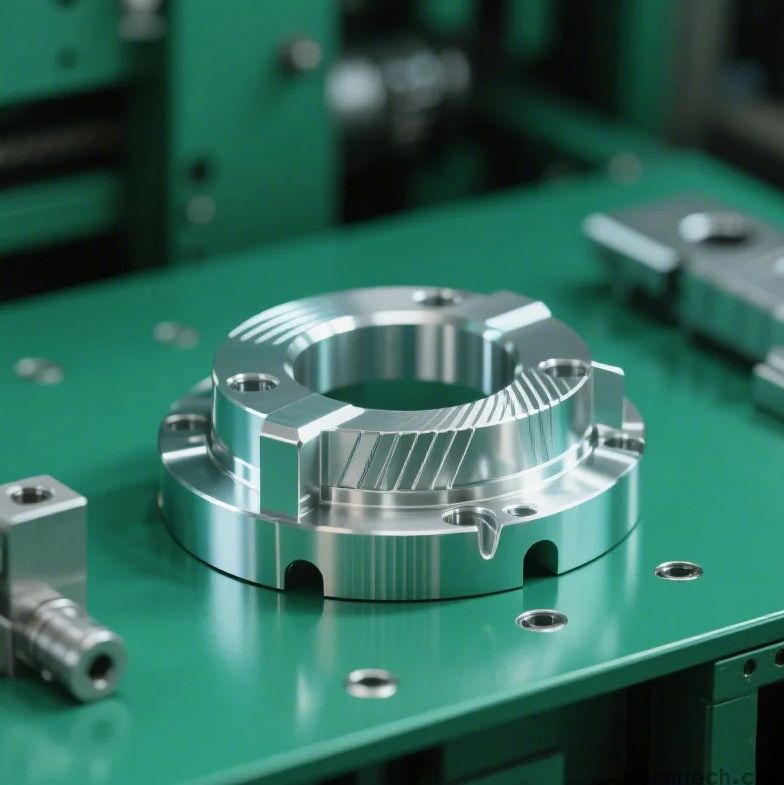
The Final Gatekeeper: Rigorous Quality Control
This is non-negotiable. After machining, parts must go through a final QC check. This often involves more than just spot-checking with hand tools.
? Coordinate Measuring Machine (CMM): For high-precision or complex parts, a CMM is the gold standard. It can measure dimensions from every angle with incredible accuracy, providing a detailed report that proves the part is to spec.
? Surface Finish Measurement: Tools like profilometers can quantitatively measure surface roughness (Ra values) to ensure it meets your requirements.
? First Article Inspection (FAI): For new parts or batches, a comprehensive FAI report comparing the first-off part to every detail on the drawing is essential. It builds confidence for both sides.
But here's the thing... all this equipment is great, but it's the culture of "checking twice" that really makes the difference. A shop that takes pride in its quality control processes is a shop you can trust.
Your Move: How to Vet a CNC Machining Partner
So, what can you do when choosing a supplier? Don't just ask for a price. Ask them to walk you through their process for ensuring precision.
Ask questions like: "How do you handle in-process checks?" "What kind of inspection equipment do you have for final QC?" "Can you provide FAI reports?" Their willingness and ability to answer these questions clearly tells you a lot.
Look for a partner who sees your precision requirement as a shared goal, not just an order to fill. The right supplier will act as an extension of your own quality control team.
Feeling ready to find a partner who gets precision right from the first part to the last? ? Get a precise quote and discuss your project's specific tolerance requirements by talking to our technical team today. We're here to help you nail it. ?
 Small Batch Precision Parts CN
How to Ensure Precision in CNC
How to Calculate CNC Machining
How is the price calculated fo
Small Batch Precision Parts CN
How to Ensure Precision in CNC
How to Calculate CNC Machining
How is the price calculated fo