


How to Prevent Deformation in CNC Copper Machining?
Struggling with warped or out-of-spec red copper parts fresh off the CNC machine? ? You're not alone. Many engineers and purchasers face this headache – you order precision copper components, but what arrives is a bent, twisted version that just won't fit. This isn't just about scrap metal; it's about delayed projects, blown budgets, and frustrated teams. So, why does soft, ductile copper love to deform during CNC machining, and more importantly, what can you actually do about it? Let's dive in and fix this, step by step.
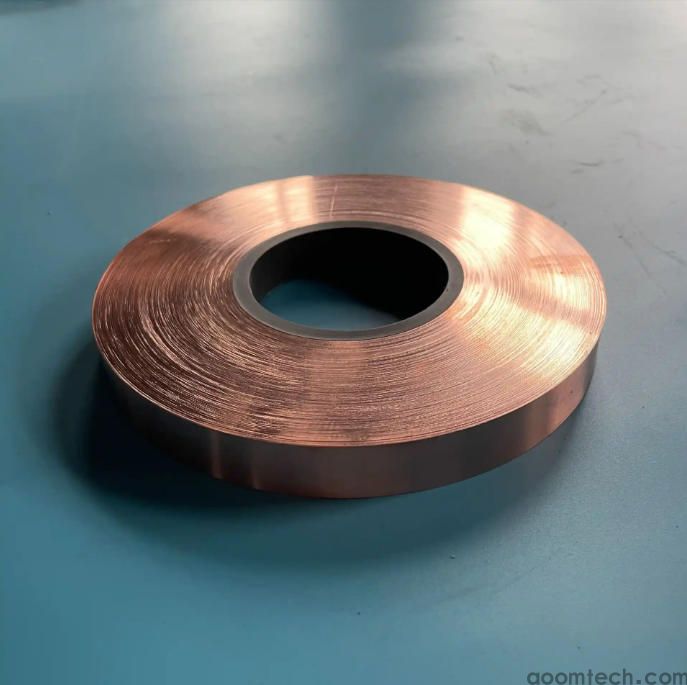
Why Does Copper Deform So Easily Under CNC Machining?
First things first, we need to understand the enemy. Copper, especially pure red copper, is like a talented but sensitive artist. It's got fantastic conductivity and workability, but it also comes with low hardness and high thermal expansion. During machining, the heat from cutting, the pressure from clamping, and even the internal stress from the material itself can all gang up to cause distortion. Think of it like trying to carve detailed patterns into a soft chocolate bar on a warm day – it requires a very delicate touch.
The Core Strategy: It's All About Managing Heat and Stress
The short answer to preventing deformation is a two-part mantra: control heat generation and minimize mechanical stress. You can't fight physics, but you can outsmart it. This means looking at your entire process – from the raw material to the final cut – and making smart adjustments at each stage. It's not just one magic trick; it's a combination of techniques working together.
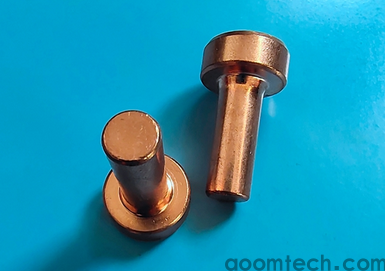
Actionable Tips to Keep Your Copper Parts Perfectly Shaped
Okay, theory is good, but what do we do? Here are the practical steps I often recommend and see top shops using:
1. Rethink Your Fixturing & Clamping
This is where many problems start. Using excessive, uneven clamping force is a surefire way to introduce stress. The goal is to hold the part securely but gently.
- Use Soft Jaws or Custom Fixtures: Machine soft jaws to match your part's contour. This spreads the clamping force over a larger area.
- Opt for Vacuum or Adhesive Fixturing: For thin-walled or complex shapes, these methods can provide excellent hold without crushing pressure.
- Sequence Your Clamping: Tighten clamps in a cross pattern, just like you would with a car tire, to ensure even pressure distribution.
2. Master the Cutting Parameters
Your CNC program needs to be a friend to copper, not a bully. Aggressive cuts generate heat.
- Sharp Tools are Non-Negotiable: Use sharp, polished carbide tools designed for non-ferrous metals. Dull tools rub and heat up the material.
- Higher Speeds, Lower Depths: A lighter depth of cut with a higher feed rate can often remove material more efficiently while generating less heat than a heavy, slow cut. It sounds counter-intuitive, but it works.
- Flood that Coolant! Use ample, high-quality coolant directed right at the cutting edge. This isn't optional for copper; it's essential for carrying heat away instantly.
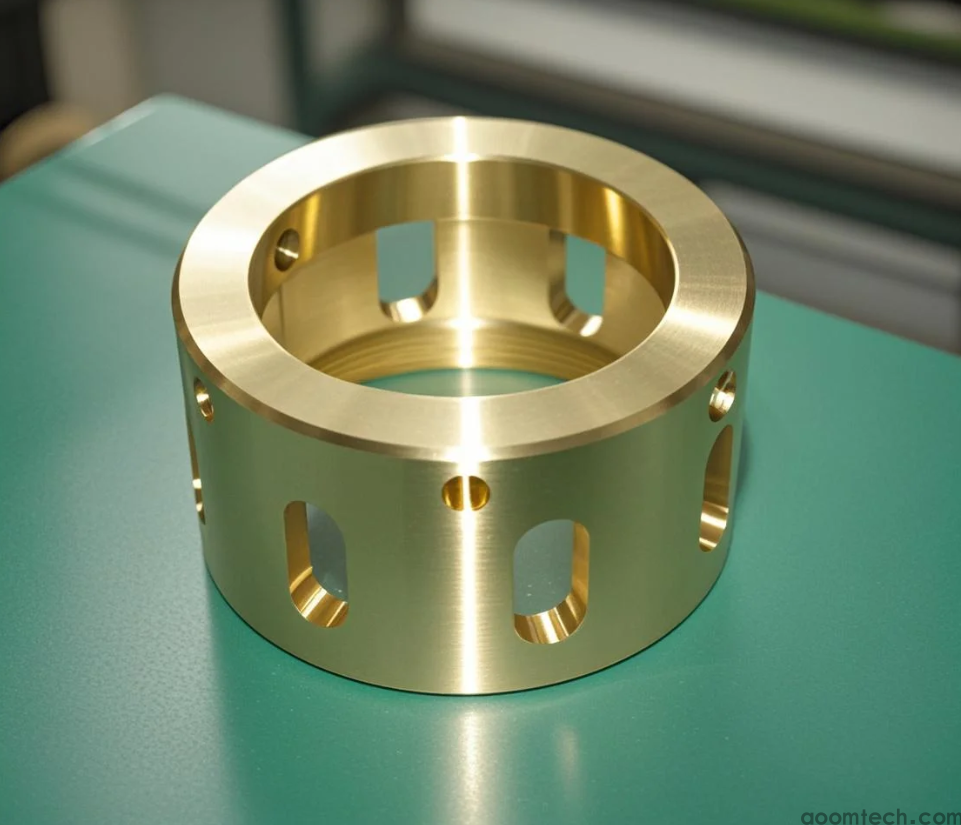
3. Consider the Material's "History"
Sometimes, the problem is baked into the material before it even reaches your machine. The internal grain structure of copper can harbor stress from its manufacturing process (like rolling or drawing).
- Ask for Stress-Relieved Copper: When ordering your raw material, specify "stress-relieved" stock. This extra step by the supplier uses heat to relax those internal tensions.
- Adopt a Multi-Pass Strategy: For critical parts, machine in several light passes, allowing the part to "settle" and dissipate heat between operations. Rough it out, let it cool, then come back for the finish.
A Quick Reality Check: Is Zero Deformation Possible?
Let's be honest. Aiming for absolute zero deformation, especially with intricate or very thin copper parts, might be chasing a ghost. The goal is to reduce it to a level that is within your acceptable tolerance. The methods above will get you 95% of the way there. However, the final 5% often comes down to the skill and experience of the machinist and the specific capabilities of the shop. This is where partnering with a specialist who truly understands the "feel" of copper makes all the difference. I've seen shops that swear by a specific toolpath strategy or a proprietary fixture design that they've developed through years of trial and error.
Your Next Move: From Knowledge to Perfect Parts
So, we've covered the "why" and the "how." You now know that preventing deformation is a systematic approach, not a guesswork game. It combines smart fixturing, precise cutting data, and an understanding of the material itself. While the tips here provide a strong foundation, applying them perfectly to your specific part is the real challenge.
If you're tired of dealing with warped copper components and need a partner who gets it right the first time, the next step is a conversation. ? Share your part drawings with a specialist. A true expert can look at your design and proactively suggest modifications to the machining approach, the sequence of operations, or even slight design tweaks that make the part more machinable without sacrificing function.
Got a tricky copper part that needs to be spot-on? Let's talk specifics. Reach out to our technical team today for a no-obligation review of your project. We can help you turn that sensitive copper into a robust, precision component. ?
 Small Batch Precision Parts CN
How to Ensure Precision in CNC
How to Calculate CNC Machining
How is the price calculated fo
Small Batch Precision Parts CN
How to Ensure Precision in CNC
How to Calculate CNC Machining
How is the price calculated fo