


Process of CNC Mass Machining for Precision Mechanical Parts
Process of CNC Mass Machining for Precision Mechanical Parts
The Process of CNC Mass Machining for Precision Mechanical Parts is a modern manufacturing method used to produce large quantities of high-precision components with consistent quality. CNC (Computer Numerical Control) technology allows machines to follow programmed instructions to cut, shape, and finish metal or other materials with very high accuracy.
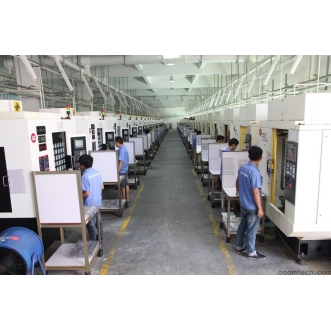
This process is widely used in industries such as automotive, aerospace, electronics, and industrial machinery. It helps manufacturers meet high-volume production demands while keeping tight tolerances and stable quality across every part.
Introduction to CNC Mass Machining for Precision Mechanical Parts
The Significance of CNC Mass Machining for Precision Parts
CNC mass machining plays a key role in modern manufacturing. It allows companies to produce thousands or even millions of identical precision parts efficiently. This is important for industries where safety, performance, and reliability depend on exact measurements.
For example, in automotive engines or aircraft systems, even a small error in part size can lead to serious performance problems. CNC mass machining ensures that every part meets strict design requirements while reducing human error and improving production speed.
Steps in CNC Mass Machining of Precision Mechanical Parts
Design and CAD/CAM Programming
The first step in the Process of CNC Mass Machining for Precision Mechanical Parts is design. Engineers use CAD (Computer-Aided Design) software to create a detailed 3D model of the part. This model includes exact dimensions, tolerances, and functional requirements.
After design, CAM (Computer-Aided Manufacturing) software converts the model into CNC machine instructions. These instructions include toolpaths, cutting speeds, feed rates, and machining sequences.
For example, a simple metal shaft design is programmed so that the CNC machine knows where to cut, drill, and finish the surface. In mass production, programmers also optimize the code to reduce cycle time and tool wear.
Long-tail keyword: steps in CNC mass machining of precision mechanical parts
Material Selection and Preparation
Material selection is critical for performance and cost control. Common materials include steel, aluminum, stainless steel, and titanium. Each material has different strength, hardness, and machining behavior.
For example, aluminum is easier to machine and is often used for lightweight parts, while steel is stronger but requires slower cutting speeds. Brittle materials may require special tools and reduced cutting force to avoid cracking.
After selection, raw materials are cut into suitable sizes and inspected for defects before machining begins.
Tooling Selection and Setup
Choosing the right tools ensures accuracy and long production life. Carbide tools are often used because they are strong and wear-resistant, making them suitable for mass production.
Improper tool setup can cause serious quality problems. For example, if a drill bit is not aligned correctly, it may create holes in the wrong position, leading to rejected parts.
Machine Setup and Fixturing
Machine setup includes setting spindle speed, feed rate, and cutting depth. Fixturing is used to hold the workpiece firmly in place during machining.
In mass production, multi-part fixtures are often used. These allow several parts to be machined at the same time, improving efficiency and consistency. A stable fixture design reduces vibration and improves accuracy.
Machining Operations
Milling
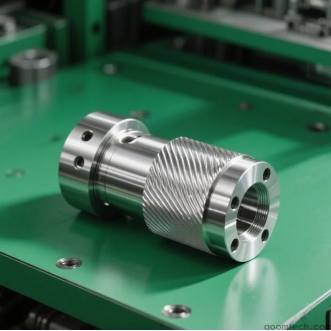
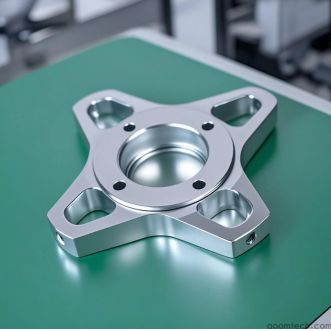
Milling is used to create flat surfaces, grooves, and complex shapes. It is widely used in precision part production. For example, a keyway in a shaft is often produced using a milling cutter in mass production lines.
Turning
Turning is used for cylindrical parts. The workpiece rotates while the cutting tool shapes it. This process requires precise control to ensure smooth surfaces and correct dimensions.
Drilling
Drilling creates holes in parts. Peck drilling is often used for deep holes to avoid overheating and tool breakage. Accurate hole placement is essential for assembly and function.
Quality Control during Machining
Quality control is a key part of the process. Operators regularly check dimensions using tools like calipers, micrometers, and surface testers.
If any deviation is found, adjustments are made immediately to prevent defective batches.
Long-tail keyword: quality control in CNC mass machining of precision parts
For example, if a gear diameter begins to drift out of tolerance during production, the machine settings are corrected before more defective parts are produced.
Finishing and Post-machining Operations
After machining, parts go through finishing processes such as deburring, polishing, and sometimes heat treatment.
Heat treatment can improve hardness and strength. For example, a steel gear may become stronger and more wear-resistant after heat treatment, making it suitable for heavy-duty use.
Final inspection ensures all requirements are met before parts are shipped.
Factors in CNC Mass Machining for Precision
Machine Capabilities and Maintenance
Machine accuracy, spindle stability, and repeatability directly affect part quality. Well-maintained machines produce more consistent results.
For example, a machine that is not properly calibrated may produce parts with incorrect dimensions over time.
Operator Skill and Training
Skilled operators are essential for stable production. They understand programming, machine behavior, and quality control methods.
An experienced operator can adjust cutting conditions when tool wear occurs, helping maintain part quality throughout production.
Long-tail keyword: factors in CNC mass machining for precision
Production Planning and Scheduling
Good planning ensures smooth workflow and stable machining conditions. It helps avoid tool overheating and reduces machine downtime.
For example, scheduled tool changes help maintain cutting quality and prevent unexpected failures during long production runs.
Quality Control in CNC Mass Machining of Precision Parts
Final Inspection and Testing
Final inspection is performed using advanced equipment such as Coordinate Measuring Machines (CMMs). These machines measure part dimensions with very high accuracy.
Functional testing ensures that parts perform correctly in real applications. For example, a valve may be pressure-tested to confirm it works safely under operating conditions.
Statistical Process Control (SPC)
SPC is used to monitor production quality over time. It collects data from machining processes and uses control charts to detect trends or variations.
For example, if shaft diameters slowly increase over time, SPC can detect this trend early and prevent out-of-tolerance production.
Conclusion: Mastering the Process of CNC Mass Machining for Precision Mechanical Parts
The Process of CNC Mass Machining for Precision Mechanical Parts involves several important stages, including design, material selection, tooling, machining, and quality control. Each step must be carefully managed to ensure high precision and consistent quality.
Understanding the steps in CNC mass machining of precision mechanical parts, managing key factors in CNC mass machining for precision, and applying strict quality control in CNC mass machining of precision parts are all essential for successful production.
Manufacturers who focus on process control, machine maintenance, and skilled operation can achieve stable, efficient, and high-quality mass production. Reviewing and improving each stage of the CNC process can lead to better performance and lower production costs.
 How to Ensure Precision in CNC
 Small Batch Precision CNC Mach
 What surface finish can CNC ma
 CNC Machining Tolerance Settin