


Professional Manufacturer for Mass CNC Machining of Aluminum Parts
Professional Manufacturer for Mass CNC Machining of Aluminum Parts
In modern manufacturing, aluminum parts are widely used in automotive, aerospace, electronics, medical devices, and industrial equipment. Choosing a Professional Manufacturer for Mass CNC Machining of Aluminum Parts is a critical decision that directly affects product quality, production efficiency, and overall cost.
This article explains how to identify a reliable manufacturer, what capabilities to look for, how the machining process works, and why quality control and cost management are essential in mass production.
The Significance of Choosing the Right Manufacturer
Selecting the right CNC machining partner is not only about price. It is about ensuring stable quality, consistent delivery, and scalable production capability. A professional manufacturer can maintain tight tolerances, reduce defects, and support large-volume production without delays.
On the other hand, choosing an inexperienced supplier may lead to poor surface finish, inaccurate dimensions, inconsistent batches, and unexpected costs due to rework or scrap. For mass production of aluminum parts, these issues can quickly become expensive and disruptive.
That is why businesses must carefully evaluate suppliers based on capability, experience, and quality systems before placing large orders.
Qualities and Capabilities of a Professional Manufacturer
Experience and Expertise
Experience is one of the most important indicators of a reliable CNC machining partner. A manufacturer with years of practice in aluminum machining understands how different alloys behave during cutting, milling, turning, and drilling.
When evaluating experience, companies should request case studies, review past projects, and assess whether the manufacturer has handled similar parts in large quantities. This helps confirm their ability to manage complex and high-volume production requirements.
Advanced Equipment and Technology
A professional CNC machining factory should be equipped with modern multi-axis CNC machines, high-speed spindles, and automated tool-changing systems. These technologies improve both precision and efficiency.
Advanced CAD/CAM software is equally important. It ensures accurate toolpath generation, reduces programming errors, and optimizes machining time. In mass production, these improvements directly reduce cost per unit while maintaining consistent quality.
Skilled Workforce
Even with advanced machines, skilled operators and engineers are essential. Machinists must understand machine setup, cutting parameter adjustments, and troubleshooting during production.
Programmers must optimize toolpaths for efficiency and accuracy, while quality inspectors must be trained in precision measurement tools such as micrometers and Coordinate Measuring Machines (CMM).
This combination of human expertise and technology defines a truly professional manufacturing environment.
CNC Machining Process for Mass-Produced Aluminum Parts
Design and Programming
The process begins with product design using CAD (Computer-Aided Design) software. Engineers create a 3D model based on functional requirements, mechanical stress, and industry standards.
Next, CAM (Computer-Aided Manufacturing) software converts the design into CNC code. At this stage, optimization is critical. Parameters such as cutting speed, feed rate, and toolpath strategy are carefully adjusted to balance precision and production speed.
Machine Setup and Tooling
Proper machine setup ensures stability during mass production. Fixtures must securely hold aluminum parts without causing deformation, as aluminum is relatively soft compared to steel.
Tool selection is also essential. Carbide cutting tools are commonly used due to their durability and heat resistance. Spindle speed and feed rates must be carefully tuned according to the aluminum alloy being processed.
Machining Operations
Milling
Milling is used to create flat surfaces, grooves, slots, and complex 3D shapes. Tool geometry and cutting parameters must be optimized to ensure smooth surface finish and accurate dimensions. Effective chip removal is important because aluminum chips can easily accumulate and affect machining quality.
Turning
Turning is used for cylindrical parts. The workpiece rotates while the cutting tool removes material. Maintaining concentricity and surface smoothness requires stable tool alignment and consistent feed control.
Drilling
Drilling operations require proper selection of drill bits and machining parameters. High spindle speed is typically used for aluminum, but heat buildup must be controlled to prevent tool wear and hole deformation.
Material-Specific Considerations in Aluminum Machining
Aluminum Alloy Properties
Different aluminum alloys have different mechanical and thermal properties. Some offer higher strength, while others provide better corrosion resistance or machinability.
Heat-treatable alloys may require different machining strategies compared to non-heat-treatable grades. Selecting the correct alloy is essential for ensuring product performance and manufacturability.
Heat Generation and Chip Formation
Aluminum conducts heat efficiently, but excessive heat during machining can still affect tool life and accuracy. Chip control is another challenge because aluminum chips can become long and sticky.
To solve these issues, manufacturers use cooling systems such as flood coolant or minimum quantity lubrication (MQL). Proper tool design also helps improve chip evacuation and reduce production interruptions.
Quality Control in Mass CNC Machining of Aluminum Parts
In-Process Inspection
Quality control begins during production. Operators continuously monitor dimensions, surface finish, and tool wear using measurement tools such as calipers and micrometers.
If deviations are detected, machine settings can be adjusted immediately to prevent large-scale defects. This proactive approach is essential in mass production environments.
Final Inspection
After production, final inspection ensures all parts meet design specifications. Coordinate Measuring Machines (CMM) are commonly used for high-precision verification.
Inspection criteria typically include dimensional tolerances, surface roughness, and material consistency. Non-conforming parts are either reworked or discarded to maintain overall quality standards.
Strong inspection systems are a key part of quality control in mass aluminum parts CNC machining.
Cost-Effectiveness in Mass CNC Machining of Aluminum Parts
Economies of Scale
One of the main advantages of mass production is reduced cost per unit. Setup costs such as programming, tooling, and machine preparation are distributed across a large number of parts.
As production volume increases, the per-unit cost decreases significantly, making large-scale CNC machining highly cost-effective.
Process Optimization
Professional manufacturers continuously optimize machining processes to reduce waste and production time. This includes improving toolpaths, selecting efficient cutting tools, and streamlining workflow between machining stages.
These improvements directly contribute to better productivity and lower manufacturing costs without compromising quality.
Conclusion: Selecting the Ideal Manufacturer
Choosing a reliable Professional Manufacturer for Mass CNC Machining of Aluminum Parts requires careful evaluation of experience, equipment, workforce capability, and quality systems. It is not just about production capacity, but also about long-term consistency and engineering competence.
Key long-tail considerations such as qualities of a professional aluminum parts CNC manufacturer, CNC machining process for mass-produced aluminum parts, and quality control in mass aluminum parts CNC machining should guide the selection process.
Before finalizing a partnership, businesses are advised to visit the factory, review sample parts, check client references, and clearly define technical and commercial terms. A well-chosen manufacturing partner can significantly improve product quality, reduce risks, and enhance overall competitiveness in the market.
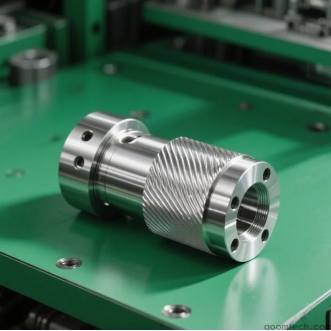 How to Ensure Precision in CNC
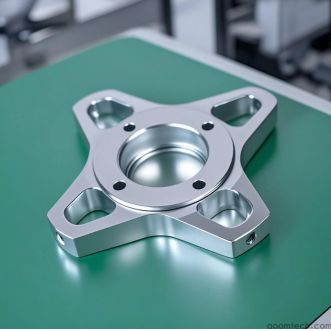 Small Batch Precision CNC Mach
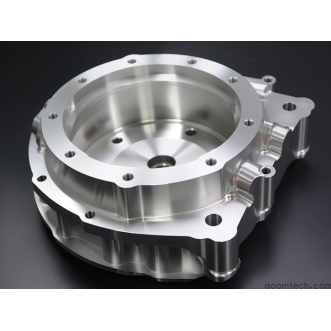 What surface finish can CNC ma
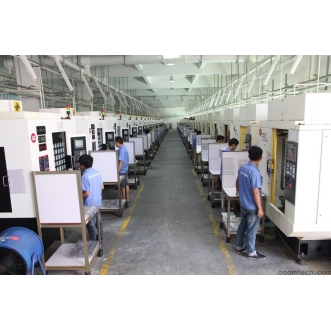 CNC Machining Tolerance Settin