


CNC Machining Technology for Stainless Steel Precision Parts
CNC Machining Technology for Stainless Steel Precision Parts
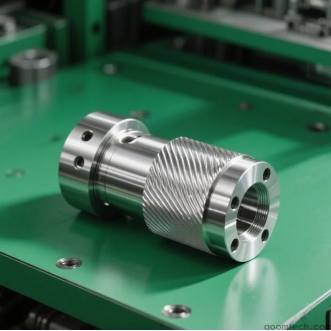
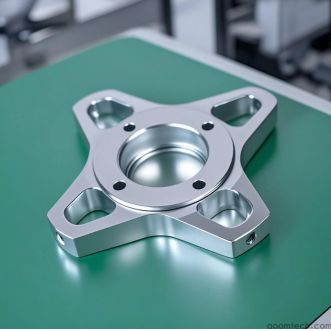
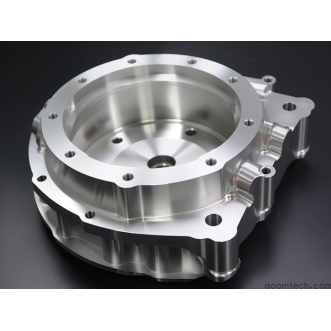
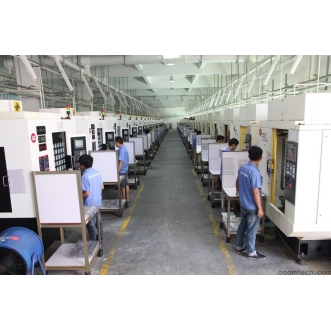
CNC Machining Technology for Stainless Steel Precision Parts is a critical manufacturing approach used to produce high-accuracy components from one of the most demanding engineering materials. Stainless steel is widely used in industries where strength, corrosion resistance, and long service life are required. CNC (Computer Numerical Control) machining makes it possible to shape this material into complex, tight-tolerance parts with repeatable quality.
This article explains the full process in simple terms, including material behavior, machining methods, tooling selection, cutting parameters, common challenges, quality control, and real-world applications. It is designed to help engineers, buyers, and beginners understand how stainless steel precision parts are manufactured in modern CNC workshops.
The Significance of Stainless Steel Precision Parts in CNC Machining
Stainless steel precision parts are essential in industries where failure is not an option. These parts are used in environments exposed to moisture, chemicals, high pressure, or extreme temperatures. CNC machining allows manufacturers to achieve very tight tolerances, smooth surface finishes, and complex geometries that are difficult to produce using traditional methods.
Typical applications include medical instruments, aerospace assemblies, food processing equipment, and industrial machinery. In these fields, even a small dimensional error can affect performance or safety. That is why CNC machining is the preferred method for producing stainless steel components with high reliability and consistency.
Characteristics of Stainless Steel Relevant to Machining
Corrosion Resistance
Stainless steel is well known for its excellent corrosion resistance due to chromium content. While this property is highly beneficial for end use, it creates challenges during machining. The material tends to form a hard oxide layer during cutting, which increases tool wear and reduces cutting efficiency.
This means that tooling for CNC machining of stainless steel must be carefully selected. Wear-resistant coatings and rigid tool materials such as carbide are commonly used to maintain tool life and cutting stability.
High Strength and Toughness
Stainless steel has high mechanical strength and toughness, requiring greater cutting force compared to softer metals like aluminum. This results in higher heat generation during machining and faster tool wear.
To handle these conditions, machines must be rigid, and cutting tools must be strong and heat-resistant. Proper cooling systems are also essential to avoid thermal deformation and maintain accuracy in stainless steel precision parts.
Work-Hardening Tendency
One of the most important machining challenges is work hardening. When stainless steel is cut, the surface can become harder than the base material. This makes subsequent cutting more difficult and accelerates tool wear.
To reduce work hardening, machinists use sharp tools, consistent feed rates, and avoid rubbing or dwelling during cutting. Proper machining processes for stainless steel precision parts are essential to control this effect and ensure stable production.
CNC Machining Processes for Stainless Steel Precision Parts
Milling
Milling is widely used for producing flat surfaces, slots, and complex 3D shapes. Carbide end mills are commonly used due to their hardness and wear resistance.
Typical machining parameters include lower spindle speeds and moderate feed rates to reduce heat buildup. Depth of cut must be carefully controlled to avoid excessive tool load. Efficient chip evacuation is also important because stainless steel chips are often long and stringy, which can interfere with cutting performance.
Turning
Turning is used to manufacture cylindrical stainless steel components such as shafts, pins, and fittings. Coated carbide inserts are preferred because they reduce friction and improve heat resistance.
Stable cutting conditions are essential to avoid chatter and maintain surface quality. Proper selection of feed rate and cutting depth ensures dimensional accuracy and improves surface finish of stainless steel precision parts.
Drilling
Drilling stainless steel requires strong and heat-resistant drill bits, typically made from cobalt or carbide materials. These tools can withstand high cutting forces and temperatures.
Lower feed rates and appropriate spindle speeds are necessary to prevent drill breakage. Using cutting fluid helps reduce heat and improves chip removal, which is essential for maintaining hole accuracy.
Tooling and Cutting Parameters for Stainless Steel CNC Machining
Tooling Selection
Tool selection plays a key role in machining quality and efficiency. Carbide tools are the most common choice for stainless steel due to their durability. In high-precision or high-wear applications, coated tools such as TiAlN are used to extend tool life.
For complex geometries, ball nose end mills are used, while flat end mills are preferred for face milling operations. In specialized applications, diamond-coated tools may be used for improved surface finish.
Cutting Parameters Optimization
Optimizing cutting parameters is essential for balancing productivity and tool life. The main factors include spindle speed, feed rate, and depth of cut.
Lower spindle speeds reduce heat but may slow production. Higher feed rates increase efficiency but may affect surface quality. The best results are achieved by adjusting parameters based on stainless steel grade, tool type, and machining operation.
Challenges and Solutions in CNC Machining of Stainless Steel Parts
Tool Wear and Breakage
Tool wear is one of the most common challenges in stainless steel machining due to high strength and work hardening. Regular monitoring of tool condition is necessary to prevent sudden breakage.
Solutions include using coated tools, applying stable cutting conditions, and replacing tools at scheduled intervals. Tool monitoring systems can also improve production reliability.
Heat Generation
High cutting temperatures can reduce tool life and affect dimensional accuracy. Stainless steel retains heat in the cutting zone, making cooling especially important.
Flood cooling and minimum quantity lubrication (MQL) are commonly used to control temperature and improve cutting stability in stainless steel precision parts manufacturing.
Dimensional Accuracy and Surface Finish
Maintaining tight tolerances can be difficult due to tool wear and material deformation. Precision-ground tools and stable machining setups are essential.
In many cases, finishing processes such as grinding or polishing are applied after CNC machining to achieve required surface quality and dimensional accuracy.
Quality Control in CNC Machining of Stainless Steel Precision Parts
In-Process Inspection
In-process inspection ensures that machining remains within tolerance during production. Measuring tools such as calipers, micrometers, and surface roughness testers are used regularly.
If deviations are detected, adjustments are made immediately to cutting parameters or tool conditions. This reduces scrap rates and improves consistency in machining processes for stainless steel precision parts.
Final Inspection
Final inspection confirms that finished parts meet design specifications. Coordinate Measuring Machines (CMMs) are commonly used to verify dimensional accuracy.
Surface finish, tolerance limits, and structural integrity are carefully checked. Non-conforming parts are either reworked or rejected depending on severity.
Applications of Stainless Steel Precision Parts Machined by CNC
Medical Industry
In the medical field, stainless steel precision parts are used in surgical instruments, diagnostic equipment, and implants. The material’s corrosion resistance and biocompatibility make it suitable for sterile environments.
CNC machining ensures high precision, which is essential for patient safety and effective medical procedures.
Aerospace Industry
Aerospace applications require components that can withstand extreme stress and temperature conditions. Stainless steel parts are used in engines, fasteners, and structural assemblies.
The high reliability of CNC-machined parts ensures safety and performance in critical flight systems.
Food-Processing Industry
Stainless steel is widely used in food-processing machinery due to its hygienic properties and corrosion resistance. CNC-machined precision parts ensure smooth operation and easy cleaning of equipment.
This helps maintain hygiene standards and improves production efficiency in food manufacturing plants.
Conclusion: Mastering CNC Machining Technology for Stainless Steel Precision Parts
Understanding CNC Machining Technology for Stainless Steel Precision Parts is essential for producing reliable, high-performance components across multiple industries. The process requires careful attention to material behavior, tooling selection, machining parameters, and quality control.
Key takeaways include the importance of managing work hardening, controlling heat generation, and using appropriate tooling for each operation. Successful production depends on balancing efficiency with precision while maintaining consistent quality.
As manufacturing technology continues to evolve, staying updated with modern tooling solutions and optimized machining strategies will help improve productivity and ensure long-term success in stainless steel precision manufacturing.
 How to Ensure Precision in CNC
 Small Batch Precision CNC Mach
 What surface finish can CNC ma
 CNC Machining Tolerance Settin