


Which manufacturer is the best for custom CNC machined parts
Which Manufacturer is the Best for Custom CNC Machined Parts
Choosing the right partner for CNC machining is one of the most important decisions in product development and industrial manufacturing. Custom CNC (Computer Numerical Control) machined parts are used in industries such as aerospace, automotive, medical devices, robotics, and electronics. These parts often require tight tolerances, specific materials, and consistent quality.
So, which manufacturer is the best for custom CNC machined parts? The answer depends on your project requirements, but more importantly, it depends on how well you evaluate a manufacturer’s capabilities, reliability, and service quality. This article explains how to identify the right partner and avoid costly mistakes.
Introduction to Choosing the Best Manufacturer for Custom CNC Machined Parts
The Significance of Picking the Right Manufacturer
Selecting the best CNC machining manufacturer is critical because it directly affects product performance, cost efficiency, and delivery timelines. A capable manufacturer ensures precision, repeatability, and material suitability for your application.
A poor choice can lead to defective parts, production delays, and unexpected expenses. In industries where precision is essential, even small errors can cause system failures or safety risks. That is why understanding factors for choosing custom CNC parts manufacturer is essential before placing an order.
Factors to Consider When Evaluating Manufacturers for Custom CNC Machined Parts
Experience and Expertise
Experience is one of the strongest indicators of reliability. Manufacturers with years of CNC machining experience are more likely to handle complex geometries, tight tolerances, and industry-specific requirements.
For example, aerospace components require strict compliance with regulatory standards, while medical parts demand biocompatible materials and high precision. Always check case studies, certifications, and project history before making a decision.
Range of Services
A strong manufacturer should offer end-to-end services, including CNC milling, CNC turning, drilling, grinding, prototyping, and surface finishing.
Additional services such as design support and manufacturability analysis help reduce production risks and improve efficiency. Companies that provide full-service solutions simplify communication and reduce coordination errors.
Quality Control Measures
Quality control is essential in CNC machining. Reliable manufacturers use in-process inspection tools like calipers, micrometers, and surface roughness testers, along with final inspection systems such as Coordinate Measuring Machines (CMMs).
Look for ISO-certified quality management systems, documented inspection reports, and regular calibration of measurement tools. These practices ensure consistent accuracy and repeatability.
Equipment and Technology
Modern CNC equipment significantly improves part precision and production speed. Multi-axis CNC machines, automated tool changers, and high-speed spindles allow manufacturers to produce complex geometries efficiently.
Advanced CAD/CAM software also plays a key role in reducing programming errors and optimizing machining paths. Manufacturers who invest in modern technology are generally more capable of handling advanced custom parts.
Cost-effectiveness
Cost should be evaluated alongside quality, lead time, and service scope. The lowest price does not always mean the best value.
A cost-effective manufacturer provides consistent quality, reduces rework, and may even improve your product design for manufacturability, leading to long-term savings.
Reputation and Customer Service
A manufacturer’s reputation reflects its reliability. Check verified customer reviews, testimonials, and long-term client relationships.
Good customer service includes clear communication, fast response times, and technical support. Reliable manufacturers are proactive in solving production issues and providing engineering feedback.
Profiles of Top Custom CNC Machining Manufacturers
:contentReference[oaicite:0]{index=0}
Protolabs is a leading digital manufacturing company offering CNC machining, injection molding, and 3D printing services. With strong automation and fast turnaround times, it is widely used for rapid prototyping and low-volume production.
The company is known for its streamlined online quoting system, engineering support, and consistent quality control. It works with a wide range of industries, including aerospace, medical, and consumer electronics.
:contentReference[oaicite:1]{index=1}
Xometry is an on-demand manufacturing marketplace that connects customers with a global network of CNC machining suppliers. It provides instant quoting and flexible manufacturing capacity for both prototypes and production parts.
Xometry is widely recognized for its scalability, supplier diversity, and digital platform that simplifies procurement. Its network model allows customers to choose from various manufacturing capabilities and price points.
:contentReference[oaicite:2]{index=2}
Hubs is a global manufacturing platform specializing in CNC machining, 3D printing, and sheet metal fabrication. It focuses on combining digital ordering with a vetted supplier network to deliver high-quality parts worldwide.
Hubs is known for its strong engineering review process, quality assurance standards, and support for both prototyping and scaled production.
Tips on Making the Right Choice for a Custom CNC Machined Parts Manufacturer
Define Your Requirements Clearly
Before contacting manufacturers, clearly define your part specifications, including:
Material type
Dimensions and tolerances
Quantity requirements
Surface finish
Operating environment
Clear requirements reduce misunderstandings and improve quote accuracy.
Request Quotes and Samples
Always compare multiple quotes from different manufacturers. Provide complete technical drawings to ensure accurate pricing.
If possible, request sample parts or review past production samples to evaluate machining quality, surface finish, and dimensional accuracy.
Visit the Manufacturer (if feasible)
Visiting a manufacturing facility helps you understand real production capabilities. During a visit, observe:
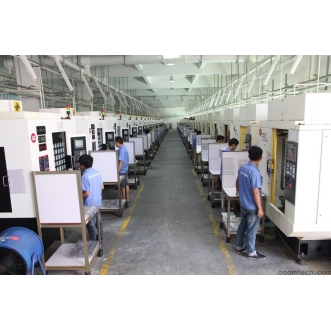
Equipment condition and maintenance
Workshop cleanliness and organization
Employee skill and workflow efficiency
Quality inspection processes
This step is especially useful for long-term or high-value manufacturing partnerships.
Conclusion: Finding the Ideal Manufacturer for Custom CNC Machined Parts
There is no single answer to Which manufacturer is the best for custom CNC machined parts, because the best choice depends on your project needs, budget, and technical requirements.
By evaluating factors for choosing custom CNC parts manufacturer such as experience, technology, quality control, and reputation, you can significantly reduce risk and improve product success.
Leading platforms like Protolabs, Xometry, and Hubs demonstrate how modern digital manufacturing is transforming the industry. However, traditional manufacturers may also be ideal for specialized or highly customized projects.
Final advice: Start with a small trial project before committing to large-scale production. This helps you evaluate quality, communication, and reliability in real conditions.
 How to Ensure Precision in CNC
 Small Batch Precision CNC Mach
 What surface finish can CNC ma
 CNC Machining Tolerance Settin