


CNC Machining Process for High-Precision Parts
CNC Machining Process for High-Precision Parts
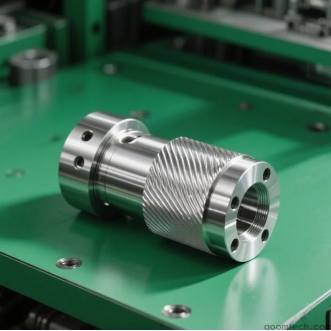
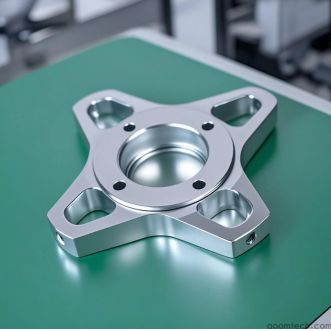
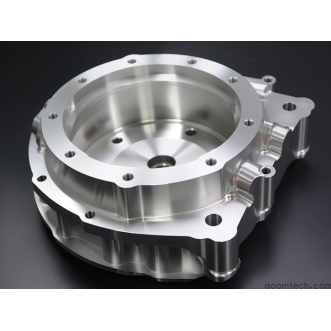
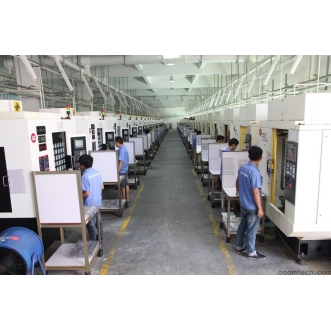
The CNC Machining Process for High-Precision Parts is a core manufacturing method used to produce components with extremely tight tolerances and consistent quality. CNC (Computer Numerical Control) machining uses programmed instructions to control cutting tools and shape raw materials into finished parts with high accuracy.
This process is essential in modern industries where even a tiny error can lead to system failure, reduced performance, or safety risks. Aerospace, medical, automotive, and electronics industries all depend on high-precision CNC parts to ensure reliability and efficiency.
The Significance of High-Precision CNC Machined Parts
High-precision CNC machined parts play a critical role in advanced engineering systems. These parts ensure smooth operation of complex machines, from aircraft engines to medical implants.
The importance of precision lies in three main factors:
Performance: Accurate parts improve machine efficiency and output quality.
Reliability: Tight tolerances reduce failure rates and extend service life.
Safety: In industries like aerospace and healthcare, precision directly affects human safety.
Industries such as aerospace, medical devices, electronics, robotics, and automotive manufacturing rely heavily on these components.
Steps of the CNC Machining Process for High-Precision Parts
Design and Programming
The process begins with product design using CAD (Computer-Aided Design) software. Engineers create a detailed 3D model of the part, defining every dimension, tolerance, and functional requirement.
Popular CAD tools such as :contentReference[oaicite:0]{index=0} and :contentReference[oaicite:1]{index=1} are widely used in industry.
Next, CAM (Computer-Aided Manufacturing) software converts the CAD model into machine-readable code (G-code). This step defines toolpaths, cutting speeds, feed rates, and depth of cut.
Even small programming errors can lead to dimensional inaccuracy, making this stage one of the most critical steps in high-precision CNC machining process.
Machine Setup and Tooling
Before machining begins, the CNC machine must be properly set up. The workpiece is secured using high-quality fixtures to prevent movement during cutting.
Advanced CNC machines from manufacturers such as :contentReference[oaicite:2]{index=2} and :contentReference[oaicite:3]{index=3} are commonly used for precision manufacturing.
Tool selection is equally important. Carbide end mills, coated drills, and precision inserts are chosen based on material type and machining requirements. Machine parameters such as spindle speed and feed rate must match both the tool and material properties.
Machining Operations
Milling
Milling is used to create flat surfaces, pockets, slots, and complex 3D shapes. Tool geometry selection is essential for precision, such as ball-nose end mills for contoured surfaces.
Proper chip removal and optimized cutting parameters help maintain surface quality and dimensional accuracy.
Turning
Turning is used for cylindrical parts where the workpiece rotates while the cutting tool removes material. Achieving concentricity is crucial for shafts and rotating components.
High-quality turning inserts and stable feed rates ensure smooth surface finish and tight tolerances.
Drilling
Drilling creates precise holes in components. The correct drill bit, speed, and feed rate must be selected to avoid deviation, tool breakage, or poor hole quality.
In high-precision applications, even micrometer-level deviation in hole position can lead to assembly failure.
Factors Affecting Precision in CNC Machining of High-Precision Parts
Machine Accuracy and Rigidity
The accuracy and rigidity of the CNC machine directly affect final part quality. Machines must have minimal backlash and strong structural stability to prevent vibration.
Regular calibration and preventive maintenance are essential to maintain long-term precision performance. High-end CNC systems are designed to maintain stability even under heavy cutting loads.
Tool Wear and Breakage
Tool wear gradually reduces cutting accuracy and affects surface finish. If not monitored, it can lead to out-of-tolerance parts.
Tool monitoring systems help detect wear early, while proper cutting parameters extend tool life and prevent unexpected breakage.
Material Properties and Preparation
Material behavior strongly influences machining accuracy. Factors such as hardness, thermal expansion, and internal stress must be considered.
Pre-treatment processes like annealing help reduce internal stress, improving stability during machining. Cooling systems also help control heat deformation.
Quality Control in CNC Machining of High-Precision Parts
In-Process Inspection
During machining, continuous measurement ensures that parts stay within tolerance limits. Tools such as micrometers, calipers, and surface roughness testers are used.
This stage represents an important part of quality control in high-precision CNC machining, allowing immediate correction of deviations before the part is completed.
Final Inspection
After machining is complete, parts undergo final inspection using advanced equipment such as Coordinate Measuring Machines (CMMs).
CMM systems provide highly accurate 3D measurements to verify dimensional accuracy and geometric compliance. Non-conforming parts are either reworked or rejected based on quality standards.
Applications of High-Precision CNC Machined Parts
Aerospace Industry
Aerospace components such as turbine blades, structural supports, and engine parts require extreme accuracy. High precision ensures resistance to heat, pressure, and vibration during flight operations.
Medical Industry
Medical devices such as surgical tools, orthopedic implants, and dental components rely on precision machining for safety and compatibility with the human body.
Accurate manufacturing improves patient outcomes and reduces surgical risks.
Electronics Industry
In electronics, CNC machining is used for connectors, heat sinks, and compact structural parts. High precision enables miniaturization while maintaining performance and thermal control.
Conclusion: Mastering the CNC Machining Process for High-Precision Parts
The CNC Machining Process for High-Precision Parts is a highly technical workflow that requires careful attention at every stage—from design and programming to final inspection.
Key takeaways include:
Accurate CAD/CAM design is essential for success.
Machine setup and tooling directly affect machining quality.
Precision depends on machine rigidity, tool condition, and material behavior.
Quality control ensures that parts meet strict tolerance requirements.
Understanding factors affecting precision in high-precision CNC parts and applying strict inspection standards leads to consistent manufacturing results.
As industries continue to demand higher performance and tighter tolerances, continuous training, advanced tooling, and modern CNC systems remain essential for success in precision manufacturing.
 How to Ensure Precision in CNC
 Small Batch Precision CNC Mach
 What surface finish can CNC ma
 CNC Machining Tolerance Settin