


CNC Machining Process for Aerospace Parts
Aerospace CNC machining is a precise manufacturing process used to make parts for aircraft and spacecraft. These parts must withstand extreme conditions, so they require special attention to materials, accuracy, tools, and quality checks. In aerospace, even tiny errors can cause big problems, so every step is tightly controlled. This article explains the CNC machining process for aerospace parts, covering material requirements in CNC machining aerospace parts, precision demands for CNC-machined aerospace components, tooling for CNC machining aerospace parts, and quality control in CNC machining of aerospace parts, with clear practical insights.
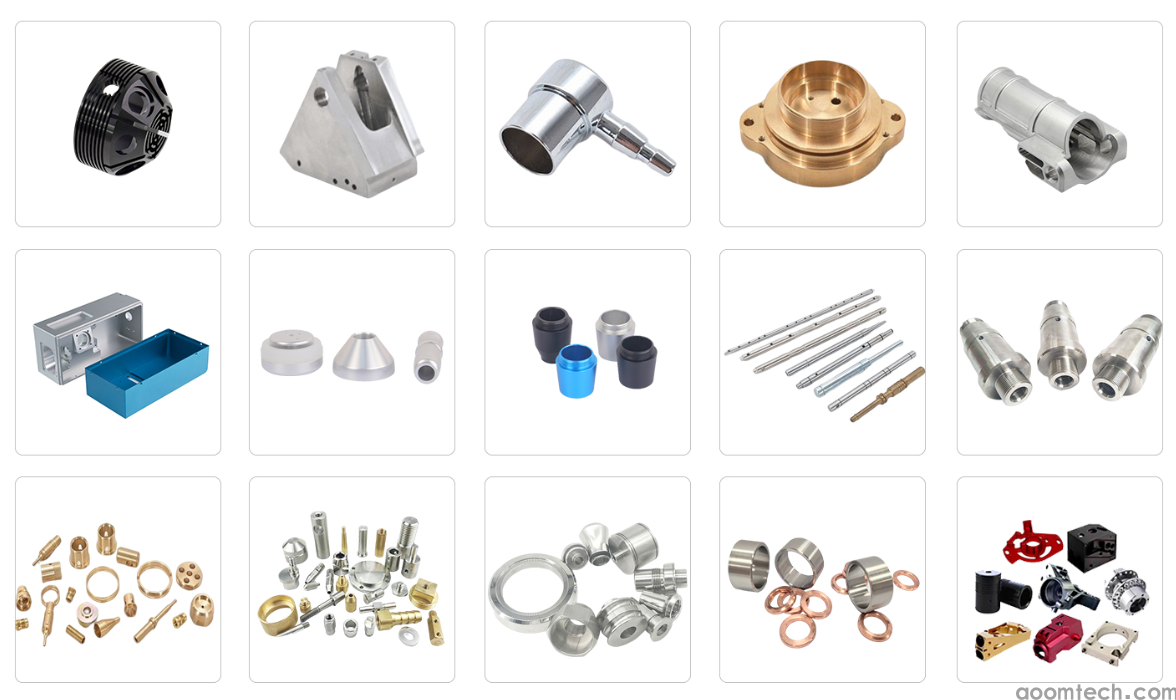
Strict Material Requirements
Aerospace parts are often made from high-performance metals and composites. Common materials include aerospace-grade aluminum alloys (such as 6061 or 7075), titanium alloys, nickel-based superalloys, and advanced composites like carbon fiber. These materials are chosen for their excellent strength-to-weight ratios, corrosion resistance, and fatigue life. In other words, they are very strong and lightweight, and they resist harsh environments like high temperatures and chemicals. Each batch of material must be fully traceable with mill test certificates and meet strict standards (AMS, ASTM, MIL specs). This traceability ensures that every part can be linked back to its source, which is crucial if a defect is ever found in service.
Extreme Precision Demands
Precision is critical in the CNC machining process for aerospace parts. Tolerances are often in the order of thousandths or even ten-thousandths of an inch (microns). For example, structural parts may require tolerances around ±0.0005 inches (±12.7 µm), while engine components or fuel system parts can need tolerances down to ±0.0001 inches (about ±2.5 µm). Such extreme precision ensures that parts fit and work together perfectly under demanding conditions. CNC machines are chosen and calibrated to meet these tight tolerances. Aerospace components demand exceptionally high precision and tight tolerances, so manufacturers carefully check machine accuracy and repeatability. Specialized measuring tools (like coordinate measuring machines or CMMs) are used to verify dimensions and surface finish. This careful attention to precision helps prevent failures in flight and ensures optimal performance and safety.
Specialized Tooling and Equipment
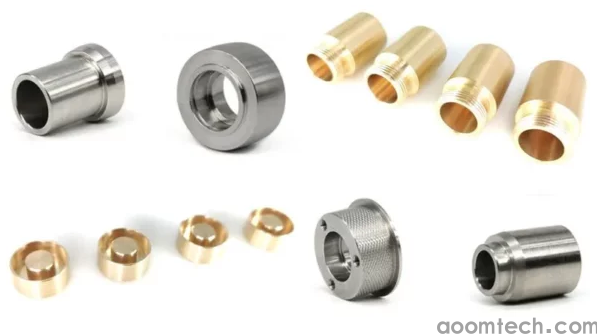
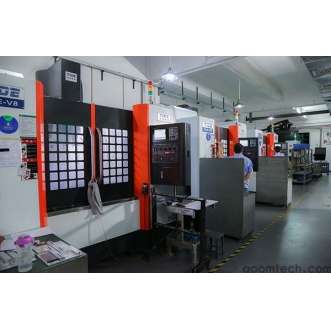
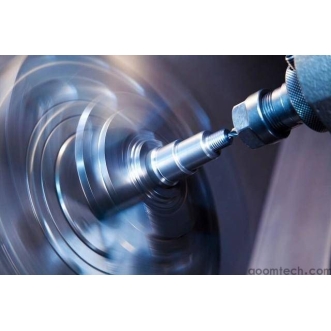
Making aerospace parts requires advanced CNC machines and tooling. Multi-axis milling and turning centers are common, allowing complex shapes to be machined in one setup. These machines are very rigid and can hold tight tolerances. The cutting tools themselves are made of hard materials like carbide, ceramic, or coated high-speed steel to cut tough alloys with precision. Tooling includes custom jigs, clamps, and fixtures to hold the part securely without distortion. For example, clamping systems may be designed specifically for a turbine blade or wing component to keep it stable during cutting. Because aerospace materials (like titanium or superalloys) are hard on tools, coatings and coolant systems are also used to extend tool life and keep cuts accurate. In short, tooling for CNC machining aerospace parts must be durable and precisely matched to each job to achieve the needed accuracy and efficiency.
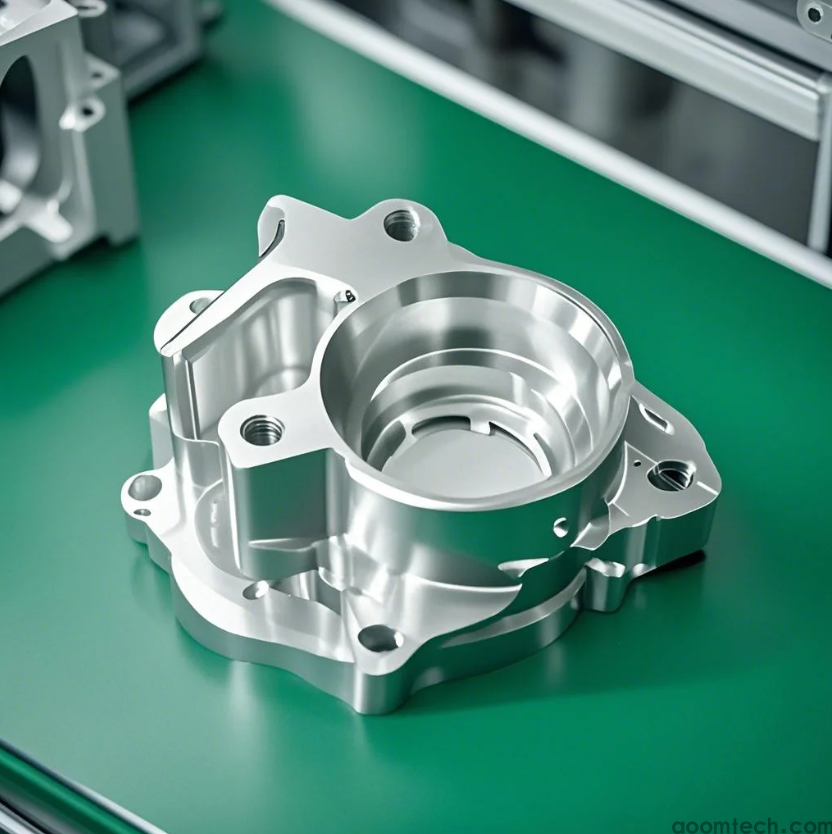
The CNC machines and specialized tools used for aerospace parts must be extremely accurate. Modern CNC milling centers use advanced control systems and multi-axis heads to cut complex aerospace components. Each part is fixtured and machined with high-speed spindles and precision guideways. The result is a part that meets the exact design, even for intricate engine blades or structural frames.
Rigorous Quality Control and Certification
Quality control is a cornerstone of aerospace CNC machining. Every aerospace job follows strict procedures to ensure safety and reliability. Shops use detailed process plans, simulations, and tests (such as First Article Inspection, or FAI) to prove each part is made correctly. During machining, in-process checks verify dimensions and surface finish. After machining, parts are often inspected with precise measuring machines and may undergo non-destructive testing (NDT). All of these steps are documented under quality systems like AS9100 and NADCAP (accreditation for special processes). This documentation includes records of material certification, machine settings, inspection results, and traceability data. In aerospace, quality control in CNC machining of aerospace parts means leaving no doubt that each part meets industry standards and is safe for use.
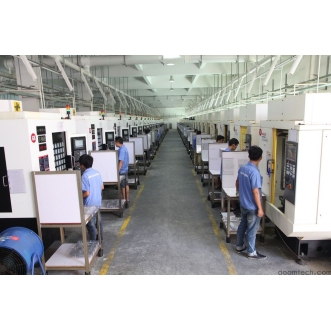
Strict inspections and traceability keep aerospace parts safe. In an aerospace machine shop, every step is checked and recorded. Engineers and operators verify that each component meets the exact specifications and that all materials and processes are documented. This careful quality control process helps ensure that an aircraft part will perform reliably in flight.
Key Takeaways
Choose the right materials: Aerospace parts need special alloys with high strength and traceability. Always use certified, aerospace-grade materials.
Maintain extreme accuracy: Set up CNC machines to hold very tight tolerances. Use multi-axis machines and precise measuring tools to check every dimension.
Use advanced tooling: Invest in high-quality cutters, fixtures, and machine capabilities for hard materials. Custom jigs and durable tools help achieve precision and reduce errors.
Follow strict quality systems: Document everything under AS9100/NADCAP standards. Perform thorough inspections and keep full records for traceability and safety.
Plan and test carefully: Use CAD/CAM simulation to plan tool paths and validate designs. Run prototype tests to catch any issues before full production.
By understanding these key aspects—materials, precision, tooling, and quality control—engineers and shops can master the CNC machining process for aerospace parts. This ensures the final components are reliable and safe for use in aircraft and space systems. Clear planning, skilled operators, and attention to detail will help any manufacturer meet the high demands of the aerospace industry.
Sources: This information is based on aerospace industry expertise and standards. For example, industry resources note that aerospace materials require full traceability and must meet strict specifications. Standards like AS9100 govern aerospace production, and tolerance requirements for aerospace parts are often in the micron range. Using these practices and guidelines helps ensure parts meet the toughest aerospace standards.
 How to Ensure Precision in CNC
 Small Batch Precision CNC Mach
 What surface finish can CNC ma
 CNC Machining Tolerance Settin