


What materials are commonly used for CNC machining of medical device parts
CNC machining of medical device parts requires materials that are strong, safe for the body, and precise. The most common choices are certain metals and engineering plastics. These materials must meet strict biocompatibility and durability requirements, while also being cost-effective and machinable. Below we explain the key materials and why they are used.
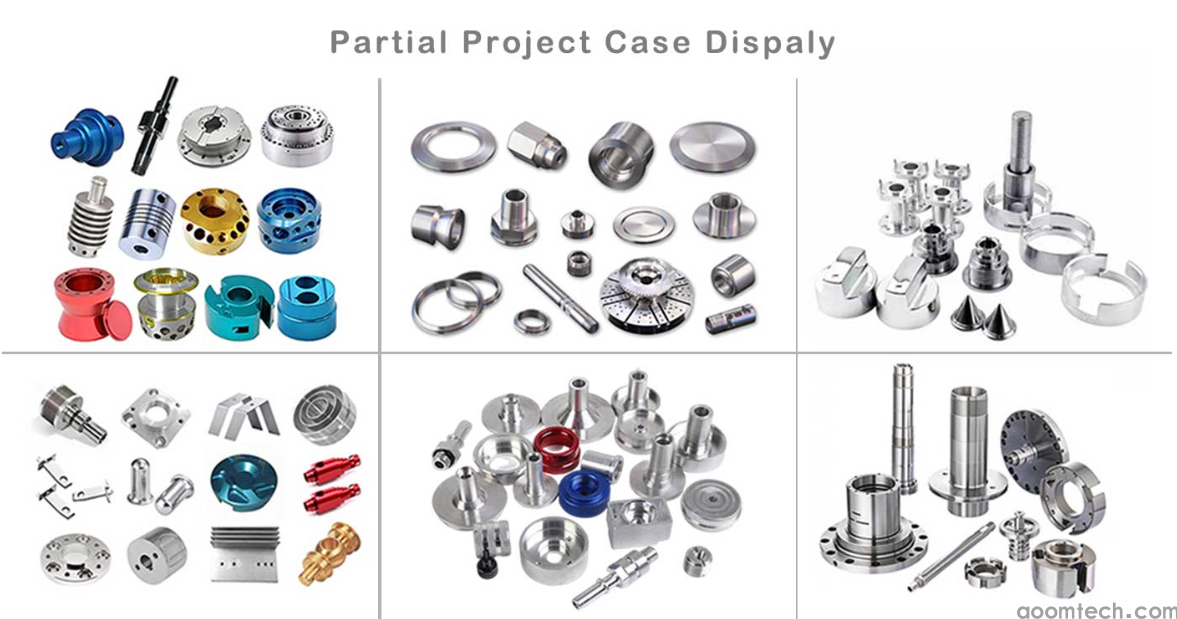
Metal Materials
Stainless Steel (e.g. 316L): This is a very popular medical-grade metal. It is strong, corrosion-resistant, and can be sterilized easily. Surgical tools and implants often use stainless steel because it is durable and relatively low-cost.
Titanium (e.g. Ti-6Al-4V): Titanium is prized for its high strength-to-weight ratio and natural resistance to corrosion. It is biocompatible, meaning it can safely contact body tissue, so it is often used for bone screws, dental implants, and joint components. Titanium is more expensive and harder to machine than stainless steel, but its light weight and durability make it ideal for critical implants.
Cobalt-Chrome Alloys: These nickel-based alloys are extremely strong and wear-resistant. Cobalt-chrome is used for parts like orthopedic and dental implants that need very high strength. It is biocompatible but very hard to machine because it generates a lot of heat during cutting.
Nickel-Titanium (Nitinol): Nitinol is a shape-memory alloy used for special devices like stents or certain implants. It can flex and return to a set shape inside the body. Nitinol parts must also be biocompatible. This alloy is challenging to machine and is used only when its unique properties are needed.
Aluminum: Aluminum is much lighter and easier to cut than steel or titanium. It is not usually used for parts implanted in the body (because it is softer and less biocompatible) but it is common for non-implant parts like equipment housings, brackets, and supports. Its good machinability and low cost make it useful for prototypes and device casings.
Plastic Materials
PEEK (Polyether Ether Ketone): PEEK is a high-performance, medical-grade plastic. It is strong, resists chemicals, and can tolerate repeated sterilization (heat, radiation, etc.). Because of these properties, PEEK is often used for surgical guides, spinal implants, and other internal device components. However, it is more expensive than common plastics.
PTFE (Teflon): PTFE has extremely low friction and excellent chemical resistance. It is used for seals, sliders, and fluid-handling parts in medical instruments. PTFE is biocompatible, but it is soft and not used for load-bearing parts. Its low friction helps parts move smoothly inside devices.
Polycarbonate (PC): Polycarbonate is a clear, tough plastic with high impact resistance. It is used where transparency is needed, such as in covers or housings for medical equipment. Medical-grade polycarbonate can be sterilized, but designers must ensure it is compatible with cleaning processes.
Acetal (POM): Acetal is a plastic known for good dimensional stability and ease of machining. It is often used for non-implant parts like fixtures, guides, and support components in medical devices. Acetal is relatively low-cost and very easy to machine, making it a machining-friendly material for prototyping and production.
Key Material Properties
Biocompatibility: All materials used in medical parts must be biocompatible, meaning they can safely contact the body without causing harm. Metals like medical-grade stainless steel and titanium have long histories of safe use in implants. Certain plastics (PEEK, PTFE, medical-grade polycarbonate) also meet biocompatibility standards and can be sterilized for patient use.
Strength and Durability: Implants and load-bearing tools need very strong materials. Cobalt-chrome and titanium alloys provide extremely high strength and fatigue resistance. Stainless steel is also very durable. Plastics are generally not as strong as metals, so they are used in non-load-bearing parts or disposables. However, engineering plastics like PEEK still offer good strength and wear resistance for many device components.
Cost and Ease of Machining
Material cost and machinability are also important. Stainless steel is often viewed as a cost-effective choice in medical CNC machining because it meets performance needs at a lower cost and machines faster than titanium. In fact, one guide notes that stainless steel is easier and cheaper to machine than titanium. High-performance metals like titanium, cobalt-chrome, and nitinol raise costs due to expensive raw material and slower machining.
On the other hand, plastics and aluminum can reduce cost and tool wear. As one source notes, aluminum is “lightweight and easy to machine”, making it very machining-friendly for non-critical parts. Plastics like acetal are also easy on tools and lower cost. High-grade plastics may cost more than commodity plastics, but they are often cheaper than exotic metal alloys.
In medical CNC machining, engineers look for cost-effective materials in medical device CNC machining. For example, choosing stainless steel or certain plastics can keep production costs down. Likewise, machining-friendly materials for medical device parts (such as aluminum or acetal) reduce machining time and tool wear. Balancing these factors — biocompatibility, strength, and cost — helps designers pick the best material for each medical part.
By understanding the benefits and trade-offs of each material, manufacturers can select the right material for precision medical parts. Reliable sources emphasize that materials like 316L stainless steel, titanium, cobalt-chrome, PEEK, PTFE, and medical-grade plastics are common choices because they meet strict medical standards while providing the needed performance. Considering biocompatibility, mechanical needs, and cost together ensures safe, durable, and economical medical device components.
 How to Ensure Precision in CNC
 Small Batch Precision CNC Mach
 What surface finish can CNC ma
 CNC Machining Tolerance Settin