


CNC Machining Suppliers for Consumer Electronics Industry Parts
Consumer electronics products – like phones, laptops, and wearables – need small, precise metal and plastic parts. These parts often come from CNC machining suppliers for consumer electronics industry parts. A good supplier can shape materials exactly to design, help meet tight schedules, and keep costs under control. Choosing the right supplier means looking at their skills, equipment, and quality systems before you order any parts. When you work with a reliable CNC supplier, you get parts that fit perfectly and work reliably in your devices.
Choosing CNC Machining Suppliers for Consumer Electronics Parts
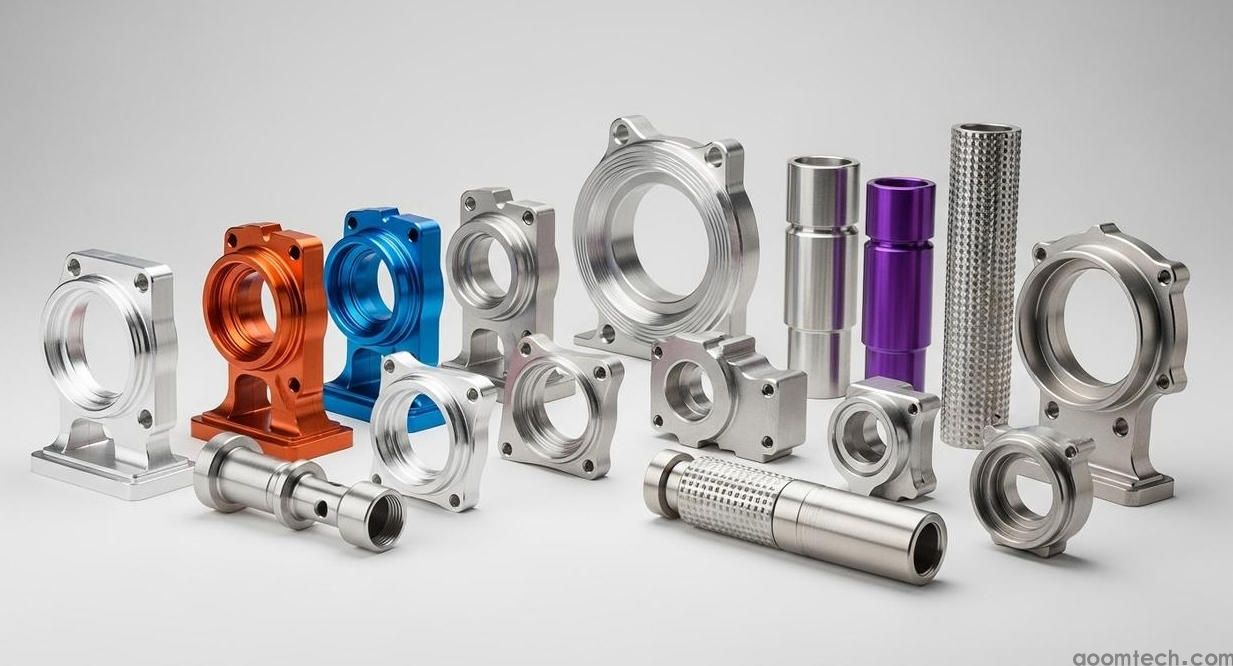
When choosing a CNC machining supplier, focus on factors that matter for electronics parts. For example, suppliers should have 5-axis or multi-axis machines to handle complex shapes and very small tolerances. Look for experience with consumer electronics – this market demands precision down to microns, lightweight metals (like aluminum alloys) and plastics, and sometimes special surface finishes. Also check if they have quality certifications (like ISO 9001) and a track record of meeting schedules. You can ask for customer reviews or case studies to see if they have successfully made parts similar to yours. Suppliers who offer design feedback (DFM) can also help reduce costs and prevent problems later on. In short, consider factors such as:
Equipment and Capabilities: Do they have advanced CNC mills, Swiss-turn machines, or 5-axis centers for complex parts?
Experience: Have they worked with consumer electronics brands and tight specifications?
Quality Systems: Are they ISO-certified? Do they use modern inspection tools?
Communication and Support: Will they share cost breakdowns, lead times, and after-sale support?
Design Help: Can they suggest design changes to make parts easier or cheaper to build (design for manufacturability)?
Services Offered by CNC Machining Suppliers for Consumer Electronics
CNC machining suppliers often offer a range of services for electronics parts. Most will do CNC milling and turning to shape metal or plastic into housings, connectors, heat sinks, and other components. Some specialize in Swiss-turn machining for very small parts (like precision pins or contacts). It is common for suppliers to offer fast prototyping services, so they can produce a few units quickly (often in days) to check the design. Many suppliers also handle surface finishing: for example, anodizing or electroplating aluminum to prevent corrosion, or powder coating plastic parts for color and strength. You can often find suppliers who provide assembly or testing as well, to deliver parts ready to install. Before picking a supplier, verify which services they provide, such as:
Prototyping and Production: Short runs for testing and large runs for mass production.
Machining Services: 3-axis, 5-axis CNC milling; CNC turning; Swiss screw machining.
Finishing Options: Anodizing, plating (nickel, gold), passivation, painting, or laser marking for branding.
Quality Inspection: In-house inspection reports, dimensional checks, and certification.
Design & Support: DFM consultation, material selection advice, and help with complex geometries.
Materials and Precision Requirements
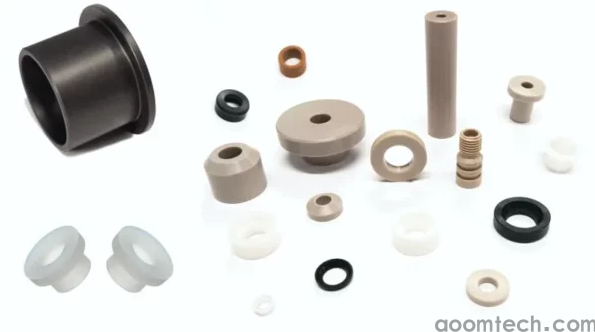
Consumer electronics parts often use lightweight and strong materials. Common choices include aluminum alloys (like 6061 or 7075) for phone cases and heat sinks, stainless steel for durable brackets, and engineering plastics (ABS, POM, PEEK) for connectors and housings. Sometimes copper is used for electrical contacts or thermal parts. Each material has its own machining needs and costs, so suppliers should help you pick the best one for your part’s strength, durability, and appearance. CNC-machined electronics parts usually need very tight tolerances (often within a few hundredths of a millimeter). For example, many shops hold about ±0.005 inches (±0.13 mm) as their standard metal tolerance. If you need even finer precision, discuss this with the supplier early so they can set up the right tooling and measurement steps. High-precision parts must be checked with precise tools every time, or quality can suffer.
Assessing Quality of CNC-Machined Consumer Electronics Parts Suppliers
Quality control is critical when parts must work flawlessly in electronics. A good CNC supplier has a documented quality system like ISO 9001, which shows they focus on consistency and customer satisfaction. They should be able to share inspection plans and reports. For example, ask if they use a Coordinate Measuring Machine (CMM) or other gauges to check each part’s dimensions. Many suppliers also use statistical process control (SPC) to watch the machining steps and prevent errors. Check if the supplier performs first article inspection (a full check of the first batch) and can test samples throughout production. Other quality measures include hardness or corrosion testing, and ensuring material traceability (knowing exactly where each material batch came from). For electronics, compliance with standards like RoHS or FCC may be important, so the supplier should confirm parts meet these rules. In summary, good quality practices include:
Certifications: Look for ISO 9001 (quality system) and any industry-specific standards.
Inspection Equipment: CMM machines, optical comparators, or other tools to measure every critical dimension.
Documentation: First article inspections and inspection reports that show parts meet tolerances.
Process Control: In-process checks or SPC to ensure consistency from the first to the last part.
Traceability: Ability to track raw material certificates and batches, ensuring material meets specs.
Industry Compliance: Meeting consumer electronics regulations (e.g., RoHS for no hazardous materials).
Cost-Effectiveness of CNC Machining Suppliers for Consumer Electronics
Keeping costs under control is also key. Low part price may seem good, but beware of hidden costs. A supplier might quote very low unit cost but cut corners on quality or take too long, causing delays. Instead, look for transparency: a reliable supplier will give a clear breakdown of costs (material, machining, finishing, testing) and offer volume discounts for large orders. It’s usually better to pay a bit more for consistently good parts than to pay less and then fix problems. Ask about their policy on defects and delays. Do they send replacement parts quickly if some arrive damaged? Do they have fair payment terms? Also, consider the supplier’s stability: a supplier that manages inventory well and has backup capacity can avoid sudden price hikes or shortages. In short, consider:
Transparent Pricing: A supplier should explain how costs are calculated.
Long-Term Value: Cheap price isn’t always best if it leads to rework or downtime.
Volume Discounts: For mass production, look for lower unit prices at higher quantities.
After-Sales Support: Does the supplier help quickly if you find a problem with parts?
Supply Chain Security: Check how they handle raw material sourcing and currency fluctuations.
Evaluating and Selecting a Supplier
Finally, make sure to vet any potential supplier carefully. Ask targeted questions and see real evidence of their work. For example, check if they have made similar consumer electronics parts and ask for examples. Confirm their lead times: good suppliers might offer prototype parts in just 3–7 days even for complex designs. You can visit their workshop or get a third-party audit to verify their processes. Reviewing quality certificates and inspection reports will also help you judge their standards. Building a long-term partnership can pay off: a steady relationship often leads to better prices, faster service, and more support from your supplier. Key steps include:
Review References: Talk to other electronics companies who have worked with the supplier.
Sample Inspection: Get and measure sample parts before placing a big order.
Verify Lead Times: Ask for typical timelines for similar projects (prototypes and mass production).
Check Certifications: Make sure their ISO or other quality certificates are up to date.
Factory Visit or Audit: If possible, tour the shop or get an audit to see real operations and quality labs.
Conclusion
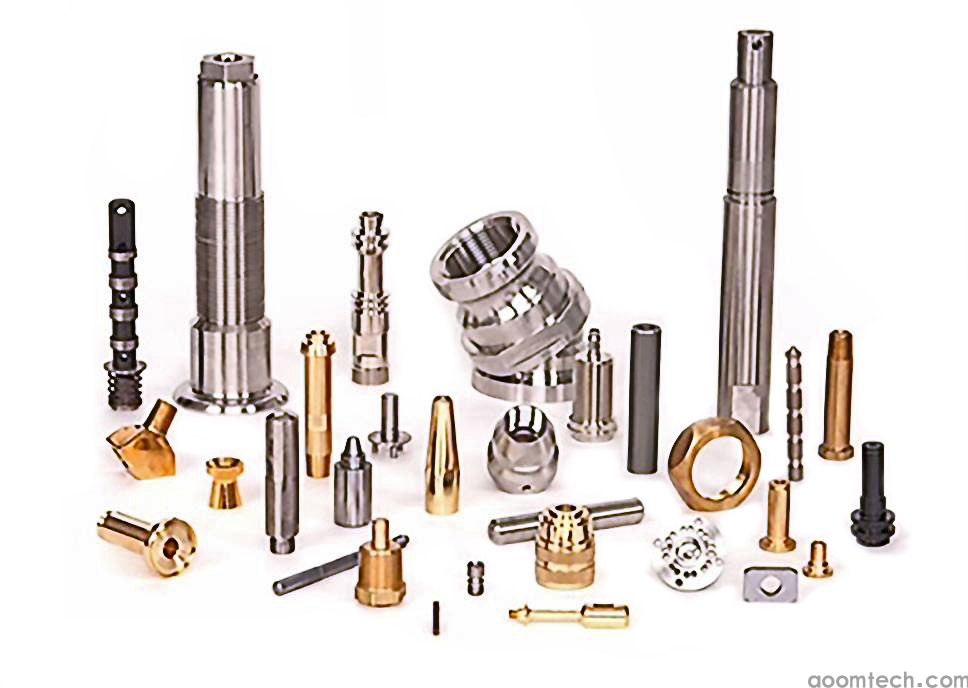
Choosing the right CNC machining supplier for consumer electronics industry parts involves balancing many factors. You need precise equipment, strict quality control, and clear pricing. By focusing on suppliers with proven electronics experience, strong inspections, and honest costs, you can get parts that meet your device’s needs without costly delays. Remember, a CNC machining supplier is a partner in your product’s success. Building a long-term relationship with the right supplier means better prices, higher quality, and faster delivery in the long run.
 How to Ensure Precision in CNC
 Small Batch Precision CNC Mach
 What surface finish can CNC ma
 CNC Machining Tolerance Settin