


How long does it take to prototype CNC machined parts
Many engineers ask "How long does it take to prototype CNC machined parts". The answer depends on the part design and process. In simple cases, a single CNC prototype part can be finished in just a few days. For example, one source says simple prototype parts often finish in about 3–5 business days. Another guide notes that small batches of simple parts take around 3–5 days, while more complex prototypes take about 7–10 days. Of course, very intricate parts or unusual materials can take much longer (often several weeks) due to extra machining and sourcing.
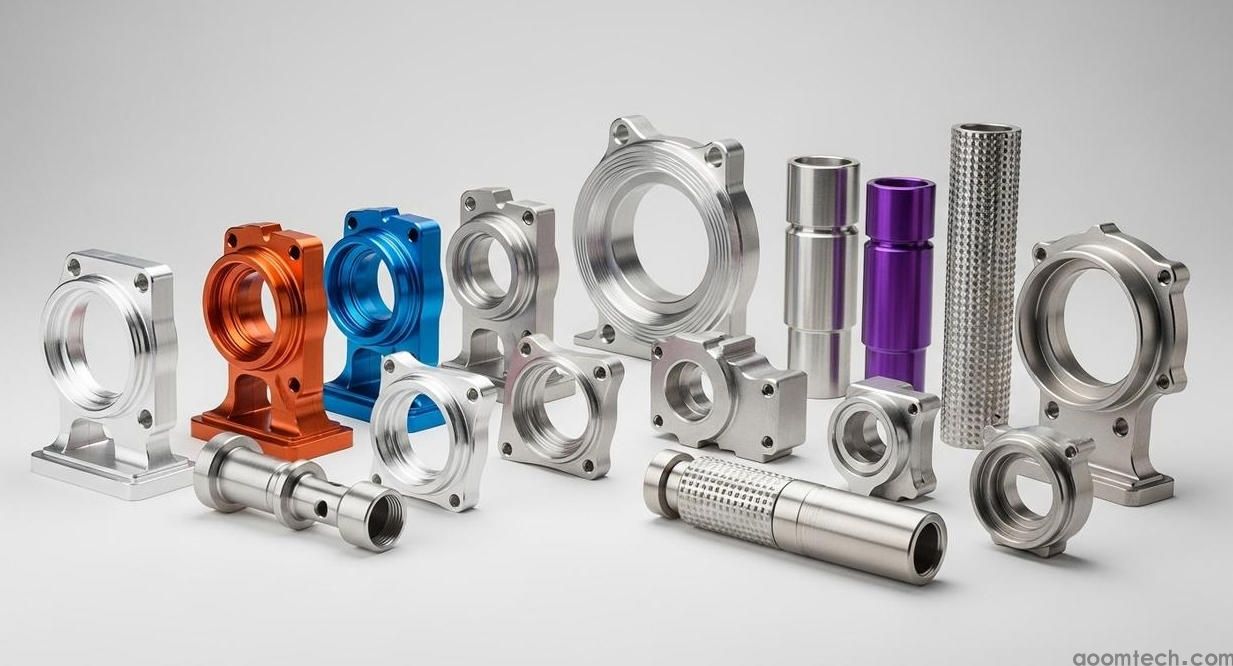
Typical CNC Prototype Lead Times
Most CNC shops prioritize prototypes and aim for fast turnaround. In general, a simple prototype (1–5 pieces, basic geometry, common material) often ships in roughly 3–5 business days. More complex prototypes (multiple setups, deeper cuts, fine finishes) might take about 7–10 business days for a small run. Industry sources suggest lead times range from 1–3 days for very simple prototypes up to 4–6+ weeks for complex projects. As a practical rule, plan at least one week for simple prototypes and two or more weeks for complex ones.
Factors Affecting CNC Prototyping Time
Several key factors influence how long a CNC prototype will take. In practice, lead time includes more than just the cutting time. The main factors are:
Part Complexity: More features means more time. A part with many surfaces or deep pockets usually needs extra machine setups and tool changes. Each setup adds hours. For example, the impact of part complexity on CNC prototyping time is dramatic: each extra feature can require new setups and extra hours. Complex 3D shapes or multi-axis requirements can greatly lengthen machining time. Designing the part so it can be machined in a single setup (one orientation) can save significant time.
Material Selection: Common materials are fast to cut, but exotic or hard ones slow everything down. For example, aluminum and mild steel are often in stock and machine quickly, while materials like titanium or Inconel require much slower cutting speeds. One guide notes that what is a 10-minute cut on aluminum can become a 2-hour cut on titanium. Also, waiting for specialty metal stock can add days or even 1–2 weeks to the schedule. In short, material-related time factors in CNC part prototyping are important to plan for.
Machining Steps and Finishing: Every extra process adds time. Basic milling or turning is relatively quick, but multi-axis moves or deep drilling lengthen each cycle. Post-machining finishes add even more time. For example, anodizing or plating typically adds about 7–10 days each, and heat-treating can add another week. Stacking multiple finish steps compounds delays. In summary, machining processes and CNC prototyping duration are closely linked.
Machine Availability and Scheduling: If the shop is busy, your job waits. Most CNC shops schedule jobs as machines become available. During busy seasons or rush periods, lead times can grow by days or weeks. In effect, machine availability and CNC part prototyping time go together: a busier shop means a longer wait. Planning ahead and communicating deadlines can help avoid delays.
Tolerances and Quality: Very tight tolerances or special inspections add time. A part requiring ultra-precise dimensions will run more slowly and need extra checks. For example, parts with ±0.001" tolerances often get a full CMM inspection on each piece, adding hours of work. Shops usually reserve the tightest specs for critical surfaces and use standard tolerances elsewhere to save time.
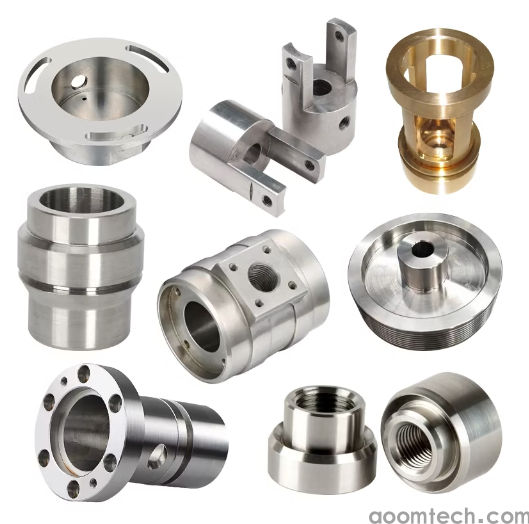
Tips to Shorten Prototype Lead Time
You can take steps to make prototyping faster:
Submit complete drawings: Provide full CAD files or drawings with all dimensions, tolerances, and material callouts. Shops move faster when designs are clear and complete. Avoid delays from missing information.
Choose common materials: Use standard alloys or plastics when possible. Materials like 6061 or 7075 aluminum and 1018 steel are often in stock, so they cut quickly. If you need a specialty material, order it early or ask about faster substitutes.
Avoid unnecessary tight tolerances: Only tighten dimensions where required. Standard tolerances (e.g. ±0.005") allow faster cutting and simpler inspection. Tight tolerances (±0.001") require slower feeds and more measuring, which increases time. Designers often ease tolerances on non-critical features to save days in the shop.
Postpone finishing: Skip non-essential finishes on the prototype. As-machined parts can ship sooner. You can always have parts anodized or painted after the prototype phase if needed.
Ask about rush service: Many CNC shops offer expedited service for extra cost. For example, a rush order might cut a 5-day job down to 1–3 days, at a higher fee. Use rush service only when deadlines are tight.
In summary, simple CNC prototypes are often ready within about a week, while very complex parts may require several weeks. Exact times vary with part complexity, material, machining steps, and shop workload. By understanding these factors and planning ahead, you can get more accurate timing estimates and faster turnaround for your CNC prototypes.
 How to Ensure Precision in CNC
 Small Batch Precision CNC Mach
 What surface finish can CNC ma
 CNC Machining Tolerance Settin