


Precautions for CNC Machining of Automotive Parts
Automotive parts must be very strong and precise. Cars face high speeds, heat, and heavy loads. CNC machining helps make parts accurately. But to avoid problems, we must take extra care. This article explains key precautions when machining car parts. It covers how to choose materials, ensure precision, handle tool wear, and do quality checks.
Material Selection
Car parts must handle stress, so choose materials carefully. Material selection precautions for automotive part CNC machining include using strong, durable metals. For example, many engine and drivetrain parts use high-strength steel or aluminum alloys. The right material should resist fatigue and heat. As one source notes, “Every vehicle component must not only perform flawlessly but also withstand extreme stress”. Material choice also affects tooling and cost. Choose metals known to be safe in cars, and avoid brittle or weak alloys.
Use strong automotive-grade metals: Choose high-strength steel or alloy steel for structural parts, and hard aluminum alloys (like 6061 or 7075) for lighter parts.
Avoid poor materials: Some plastics or low-grade metals can crack under car stresses. Do not use cast iron or very soft steel for critical components.
Check material quality: Inspect raw material certificates. If possible, test samples. Good materials reduce the risk of part failure.
Precision and Tolerances
Car parts often need very tight dimensions. Even small errors can make a part fail or jam. Precision-related precautions in CNC machining automotive parts mean keeping machines and programs highly accurate. Regularly calibrate the machine and tools. Use precise measuring tools to check each dimension. For example, one expert warns that “even the smallest deviations could impair the function of the entire system”. Set up the part carefully in the machine, and use gauges or a CMM (coordinate measuring machine) to check critical features.
Calibrate machines often: Make sure the CNC machine’s axes and controls are correct. Even tiny shifts can ruin a part.
Use accurate measuring tools: Check key dimensions with calipers, micrometers, or CMMs during and after machining.
Design with tolerances in mind: Allow for the machine’s accuracy. Avoid extremely deep cuts or hidden cavities that may be hard to reach with standard tools.
Secure the workpiece: Clamp the part firmly. Vibration or movement can cause errors in shape or size.
Tool Selection and Wear
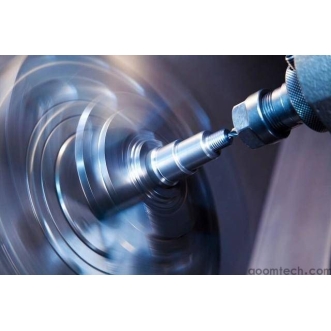
Tools wear out when machining hard metals. This is a key issue for automotive parts. Tool wear precautions in automotive part CNC machining include using the right tools and keeping them sharp. High-quality carbide or coated tools cut strong materials better and last longer. Using the wrong tool or old tool can break the surface or make wrong shapes. As one quality control guide says, “worn-out tools lead to parts with inaccurate dimensions and poor surface finishes”.
Select the right cutting tools: For steel and alloy parts, use carbide tools with wear-resistant coatings. For aluminum, use tools with polished flutes to prevent chip welding.
Monitor tool wear: Check tools before each job. Replace them if you see wear or chipping. Worn tools can make bad parts or even break.
Use proper feeds and speeds: Follow recommended cutting parameters for the material. Too fast cuts generate heat and wear. Use cooling fluid to keep tools cool.
Limit tool life: Set a planned replacement schedule. Even if a tool still cuts, replacing it at the right time prevents sudden failure.
Quality Control and Inspection
Quality control is very strict for car parts. Each part must meet exact specs before it goes on a vehicle. Quality control precautions for CNC-machined automotive parts include checking dimensions and finish at every stage. Use a coordinate measuring machine (CMM) or gauges to inspect the part.. Measure all critical features like holes and shafts. Record the results. If a part is out of spec, stop and fix the process. Many manufacturers use statistical checks and ISO standards to ensure quality.
Inspect incoming material: Verify the raw metal’s grade and properties match the requirements.
Measure during production: Use CMM or precision gauges to check features on the first piece and at intervals.
Check surface finish: Automotive parts often need smooth surfaces. Use profilometers or visual checks to ensure finish is acceptable.
Document everything: Keep records of all inspections and tests. Follow automotive quality standards (like IATF 16949) for traceability.
Other Important Tips
In addition to the above, follow these general precautions. Keep the shop environment stable. Temperature and humidity changes can warp parts. Use clean coolant and change it regularly to avoid rust or contamination. Clamp parts securely to avoid vibration. Train operators in automotive standards. By following these precautions, CNC machining will produce reliable, high-quality automotive parts that meet safety and performance demands.
 How to Ensure Precision in CNC
 Small Batch Precision CNC Mach
 What surface finish can CNC ma
 CNC Machining Tolerance Settin