


Tips for CNC Machining Titanium Alloy Parts
Titanium alloys (like Ti-6Al-4V) are used in aerospace, automotive, and medical fields because they are very strong yet lightweight. Machining titanium requires special care: it holds heat at the cutting tool and can wear tools quickly. To succeed, you need to choose the right tools, set appropriate speeds and feeds, and control heat. The following tips cover real-world CNC machining challenges with titanium alloys and how to solve them.
Understanding Titanium Machining Challenges
Titanium has low thermal conductivity, so most of the heat from cutting stays at the tool edge. This makes the tool and workpiece heat up fast, causing tool wear. Titanium also tends to stick to cutting tools (causing a “built-up edge”) and can harden where it is cut. These issues mean chips must be removed quickly and the tool must keep cutting to avoid rubbing. Another challenge is that titanium is springy (low modulus), so it can flex away from the tool and cause chatter or poor finishes. In summary, the main issues are heat build-up, stickiness (galling), work hardening, and deflection. Understanding these problems helps you apply the right techniques.
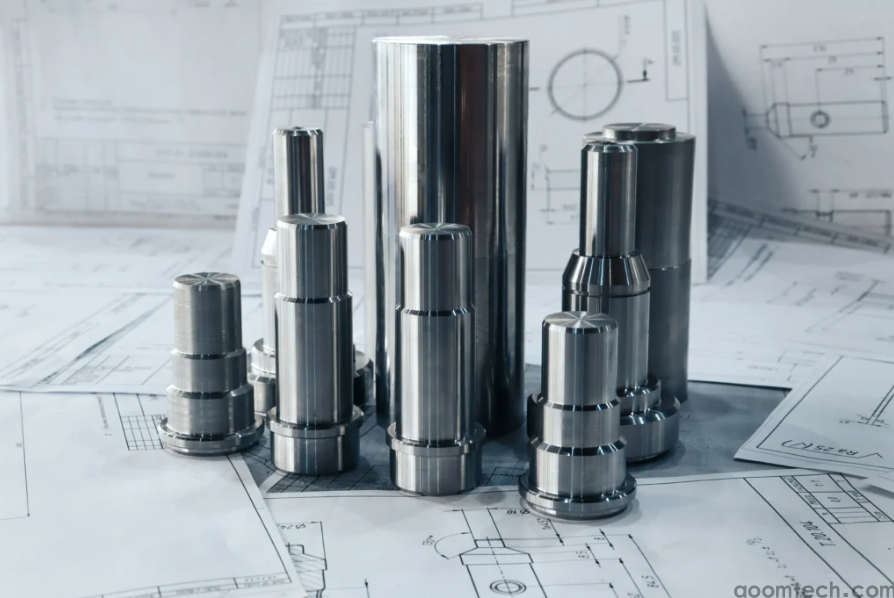
Tool Selection Tips for CNC Machining Titanium Alloy
Use the right tool material and coating: Micro-grain carbide end mills are a good choice for titanium. Always use tools with heat-resistant coatings. For example, tools coated with titanium aluminum nitride (TiAlN) or aluminum titanium nitride (AlTiN) help form a protective oxide layer at high temperature, which keeps heat in the chips and protects the cutting edge.
Opt for robust tool geometry: Choose end mills with fewer flutes (4–5 flutes) so there is more space to clear chips. A lower flute count and a variable helix angle reduce vibrations and improve chip evacuation. Also, use tools with sharp edges (avoid heavy edge hones) and a small corner radius. A radius on the cutter tip strengthens the edge and spreads heat over a larger area.
Drill design: For holes, use split-point drills (135°–140° point angle) which self-center and need less thrust. Always use drills with through-coolant channels if possible. Through-tool coolant delivers high-pressure fluid right at the cutting edge, keeping the drill cool and pushing chips out of the hole.
Machining Parameter Tips for Titanium Alloy CNC
Low speed, high feed: Run the spindle slower than you would for steel. A good starting speed is about 100–250 SFM (surface feet per minute), which is roughly 30–75 meters per minute. At the same time, use a relatively high feed rate per tooth. This produces thicker chips and ensures the tool cuts rather than rubs, which reduces work hardening.
Avoid dwell and rubbing: Keep the tool moving continuously. Never pause with the tool still in contact with the titanium. Dwelling or slowing in the cut causes the tool to rub and creates extra heat, which hardens the material and wears the tool. Instead, maintain a steady feed through the entire cut.
Climb milling: Always use climb (down) milling for titanium. In climb milling, the tool cuts from thick to thin, which helps pull heat into the chip and away from the tool and part. This method also avoids pushing hardened material in front of the cutter. Climb milling gives a cleaner cut and helps control heat.
High-efficiency strategies: Consider high-efficiency milling (HEM) if your CAM software allows it. This means a small radial depth of cut (10–15% of the tool diameter) and a large axial depth (even up to 2× the tool diameter). This spreads wear along the cutter and reduces heat. Avoid full-width slotting cuts; if a slot is needed, use a trochoidal or helical milling path to keep chip loads even.
Heat Management Tips in CNC Machining Titanium Alloy Parts
High-pressure coolant: Coolant is your best friend with titanium. Use a powerful coolant flow (often 1,000+ PSI) aimed right at the cutting zone. The purpose is to remove heat and blast chips away before they can re-cut. A high-pressure coolant system will rapidly cool both the tool and the workpiece, and wash out chips from the cut.
Select the right coolant: Use a coolant or cutting fluid with good lubricity. Water-soluble emulsions or oil-based synthetics are common. A coolant with high lubricity helps carry heat into the chips instead of the tool. For example, emulsion coolants that flow easily and coat the tool are recommended for titanium machining.
Continuous chip evacuation: Keep chips from clogging the cut. Long stringy titanium chips can pack into flutes and cause recutting, which generates extra heat. Use through-tool coolant or a strong flood to clear chips. You can also use air blasts or chip breakers on the tool. Flushing chips quickly prevents built-up edge on the tool and stops excessive heat from building up.
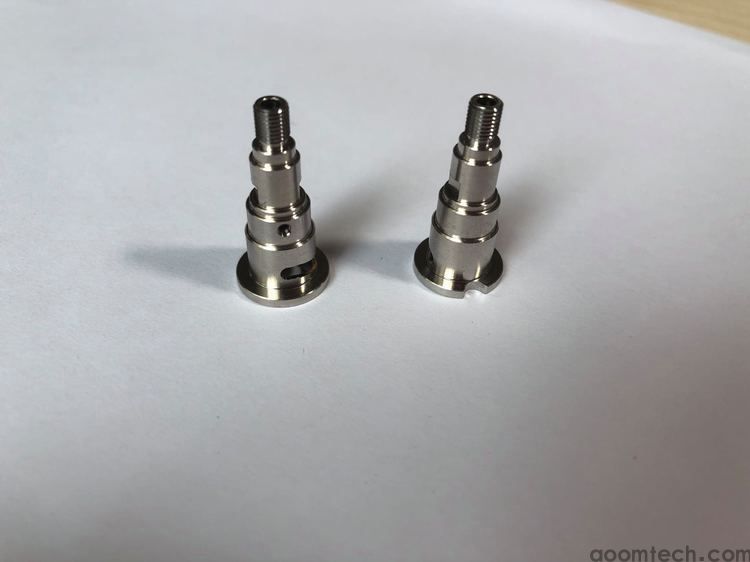
Additional Practical Tips
Rigid setup and secure clamping: Titanium “pushes back” harder than other metals, so a rigid setup is crucial. Use heavy-duty vises or clamps and a solid machine. High-quality tool holders (shrink-fit or hydraulic collets) help. Any looseness or vibration will be magnified at the cutting edge, causing chatter or tool breakage.
Gentle tool entry/exit: Avoid plunging straight into a solid titanium block. Instead, ramp or arc the cutter gradually into the material. Likewise, use a chamfer or ramp out of the cut when leaving the part. This gradual entry and exit reduce sudden loads on the tool and prevent shocking or tearing the workpiece.
Inspect tools frequently: Titanium dulls tools quickly. Check your cutter edges often for wear or chip build-up. Replace the tool once it starts to dull. A sharp, unworn tool cuts cleanly and keeps heat down. Removing a tool at the first sign of wear avoids scrapped parts and poor finishes.
Control chip formation: Titanium chips are often long and curly. If chips wrap around the tool or workpiece, it can cause tool breakage. To manage this, break long cuts into shorter ones, use chip breakers, or consider helical milling. Avoid slotting with the full tool width; if a slot is necessary, use multiple passes or trochoidal milling to keep chips smaller.
Safety precautions: Titanium swarf and dust can be a fire hazard if allowed to pile up. Keep the work area clean and wear recommended safety gear. Remove chips from the machine frequently. Follow proper fire safety practices, since titanium fines can ignite. These measures ensure operator safety when machining this material.
Conclusion
Machining titanium alloys by CNC takes attention to detail, but following these tips for CNC machining titanium alloy parts makes the job easier. The key is using proper tool selection, setting low speeds and high feeds, and controlling heat with coolant and chip removal. When you keep the tool sharp, ensure rigid holding, and manage heat, you’ll get precise titanium parts with fewer tool failures. In the long run, these practices save time and cost by preventing broken tools and rework, giving you reliable results when machining titanium.
Sources: The recommendations above are based on industry guides, manufacturer data, and machining experts, ensuring accurate and up-to-date information for CNC titanium machining.
 How to Choose a CNC Machining
 CNC Machining of Precision Aut
 Tips for CNC Machining Titaniu
 CNC Precision Machining Parts