


How to Choose a CNC Machining Manufacturer
Choosing a CNC machining partner is a critical decision. The right manufacturer affects your product’s quality, cost, and delivery time. Poor choices can lead to delays, inconsistent parts, or added expense. To know how to choose a CNC machining manufacturer, focus on real-world factors: the shop’s equipment and skills, quality processes, capacity, pricing, and track record. Below we outline key factors in straightforward terms so you can find a reliable, high-quality partner.
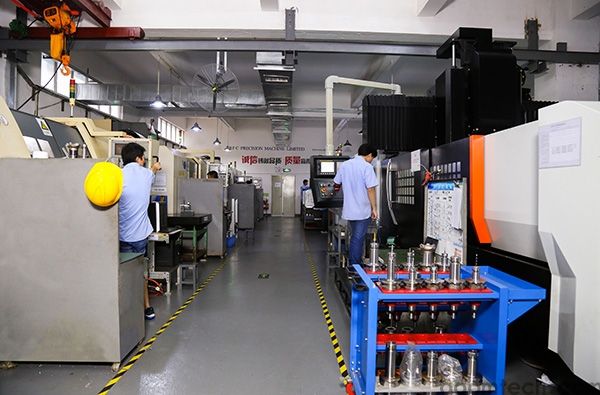
Key factors in choosing a CNC machining manufacturer
Start by listing your needs: what machines, materials, and volumes are required. Then compare suppliers based on key factors in choosing a CNC machining manufacturer. These include:
Technical capability: What machines and processes they offer.
Materials expertise: Experience with your needed materials (e.g. aluminum, steel, plastics).
Quality systems: Certifications (like ISO 9001) and inspection procedures to ensure parts meet specs.
Production capacity: Ability to meet lead times and order size (from prototypes to mass production).
Cost and value: Clear pricing with no hidden fees, and overall cost-efficiency.
Experience and reputation: Track record in your industry, case studies, and customer reviews.
Communication and service: Responsive support and clear answers during quoting and production.
We discuss each factor below. By comparing suppliers on all these points, you can decide how to choose the best CNC machining manufacturer for your needs.
Technical capabilities and materials
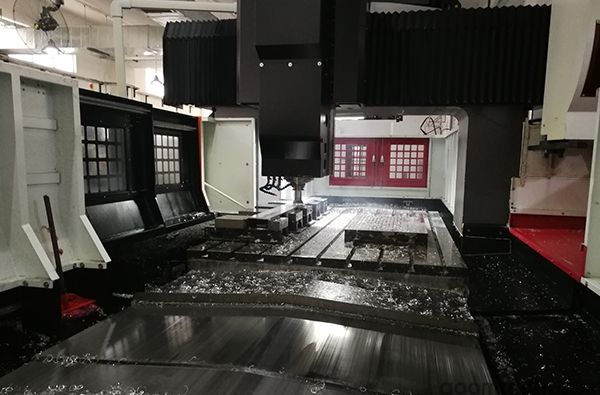
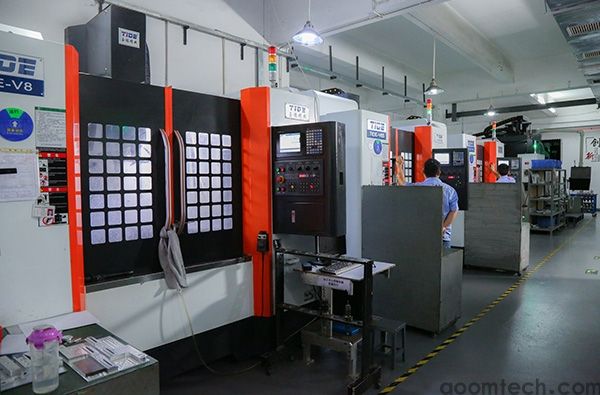
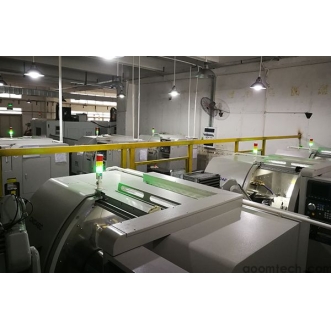
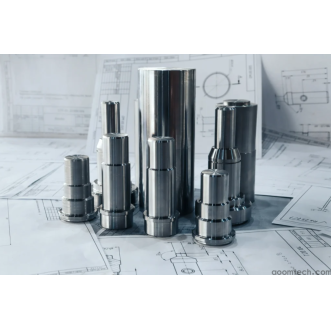
Look for a manufacturer whose machines match your project. A good supplier will have advanced CNC equipment – for example, 3-axis, 4-axis, or 5-axis milling centers and CNC lathes – to handle complex part shapes and tight tolerances. Check if they offer turning, milling, drilling, or grinding as needed. Also confirm they can handle your materials: common examples are aluminum, stainless steel, brass, copper, titanium or engineering plastics. Each material requires the right cutting speeds, tools, and handling. Experienced machinists can adjust parameters for different metals and plastics to keep parts precise and efficient. In short, ensure their machine list and material expertise match your part’s requirements.
Quality control and inspection
Quality assurance is one of the most important factors when choosing a supplier. A reliable manufacturer will follow a strict quality process at every step. Key elements include:
Incoming material inspection (check certificates or test bars for raw stock).
In-process checks (measure parts during machining to catch errors early).
Final dimensional inspection (verify every critical dimension, often using a CMM or similar precision tools).
Ask for documentation: inspection reports, material certifications, or traceability records. These prove the supplier truly meets your specs. Also look for certifications like ISO 9001 or industry-specific standards. For example, an ISO 9001 certificate shows they have a formal quality management system in place. In summary, pick a shop with documented procedures and advanced inspection equipment so you can be confident each part meets the design tolerances.
Production capacity and lead time
You need a manufacturer who can deliver on schedule. Check their typical lead times for prototypes and production orders. A dependable supplier will give realistic delivery dates and be able to scale volume if needed. For example, they should handle a short-run prototype quickly, but also have enough machines and staff to ramp up for larger batches. Ask about their workflow and scheduling: well-organized shops can meet tight deadlines and adjust to urgent requests. If a supplier seems always overbooked or vague about timing, it could cause delays. The right partner will plan capacity so orders arrive when you expect them.
Cost efficiency and pricing
Cost is always on everyone’s mind, but be careful about choosing the lowest price. Low quotes might skip important steps or use cheap materials. Instead of just the cheapest bid, focus on overall value. Good suppliers provide detailed quotes that break down material, machining, and finishing costs. They won’t hide fees for tooling or finishing. Transparent pricing lets you compare true costs. Remember, a slightly higher upfront price can save money later: better quality parts mean fewer reworked pieces or delays. When evaluating cost-efficiency of CNC machining manufacturers, include scrap rates, inspection costs, and potential delays. In short, ask for clear, itemized pricing and consider total project cost – not just the unit price.
Experience and reputation
Experience matters. An established manufacturer with a solid track record will likely deliver consistent results. Look for companies that have made parts similar to yours. Suppliers with experience in your industry (for example aerospace or medical) know the tighter standards those parts need. Review case studies or ask to see samples. Check references or online reviews if available. Often, choosing a high-quality CNC machining manufacturer based on experience means they’ve learned how to avoid common pitfalls. For example, they’ll understand the critical tolerances and finishes required, which reduces mistakes. In practice, a long history of successful projects and positive feedback from customers is a strong sign you’re picking a reliable partner.
Communication and support
Clear and timely communication can make or break a project. Your supplier should respond quickly to questions and review your drawings carefully. During quoting, a professional manufacturer will explain technical details and suggest improvements (often called Design for Manufacturability feedback) to save time and cost. Throughout production, they should give regular updates and answer questions. Poor communication often leads to misunderstandings or delays. If you’re working across language or time zones, see if they have English-speaking staff or local contacts. Good support before, during, and after production means any issues are caught early and resolved fast.
Making the final decision
All these factors together help you choose wisely. As one source puts it, selection involves “evaluating technical capability, quality systems, communication, and overall value” – not just price. In practice, you can test a supplier with a small prototype run first. That lets you check accuracy, finish, packaging, and communication on a low-risk project. If the parts match your specs and the process goes smoothly, it’s a good sign. To recap, pick a manufacturer whose machines and materials match your needs, who follows strict quality checks (ISO-certified and with inspection reports), who can meet your schedule, and who has solid experience. By weighing all these criteria, you’ll find a CNC machining partner who delivers high-quality parts reliably and at a fair cost.
 How to Choose a CNC Machining
 CNC Machining of Precision Aut
 Tips for CNC Machining Titaniu
 CNC Precision Machining Parts