


CNC Precision Machining Parts
CNC Precision Machining Parts
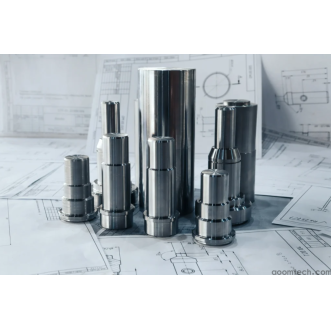
**CNC precision machining parts** are components made by computer-controlled machines that cut and shape raw metal or plastic. These parts are used in industries like aerospace, automotive, medical devices, and electronics where exact fits are critical. Buyers often ask: what exactly makes CNC precision parts special, how do I pick a reliable supplier, and is the extra cost justified? This article answers these questions in plain language. We discuss the precision requirements for CNC machining parts, explain the advantages of choosing CNC precision-made parts, and explore cost-effective CNC precision machining part options so you can make informed decisions.
What Are CNC Precision Machining Parts?
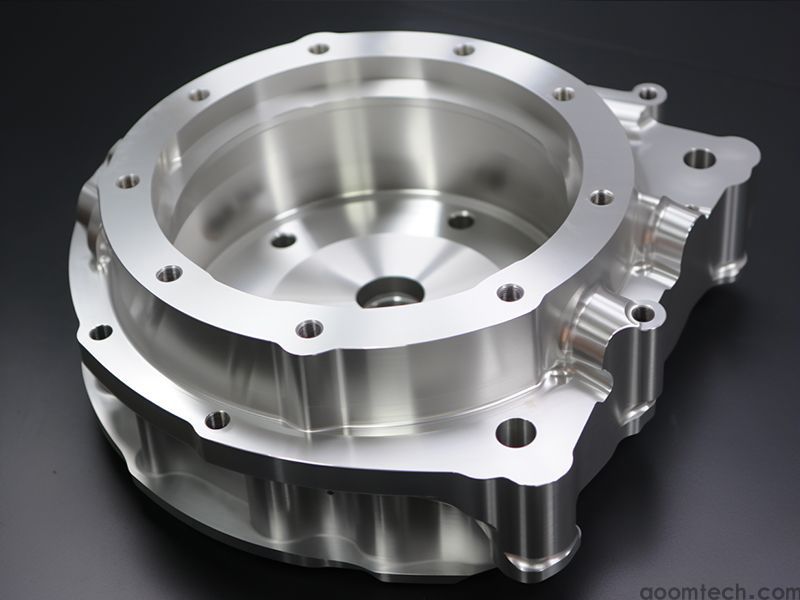
CNC precision machining parts are made by CNC (Computer Numerical Control) machines. In this process, a digital design (CAD/CAM model) tells the machine exactly where to cut or drill the material. Imagine a computer-guided cutting tool that removes excess metal or plastic layer by layer until the part matches the drawing. This lets manufacturers produce parts with very exact dimensions. For example, high-precision CNC machining can create parts with extremely tight tolerances that are hard to achieve by hand. These parts often include fine features like precise holes, threads, grooves, or tapers that fit exactly with other parts.
Main Characteristics of CNC Precision Machining Parts
CNC precision parts stand out for a few key characteristics. First, they offer **high accuracy and repeatability**. CNC machines follow programmed instructions exactly, so each part comes out the same. This automated process greatly reduces human error. As one source explains, once precise specifications are set, the computer-controlled machine guarantees tight tolerances with a much lower chance of error than manual methods.
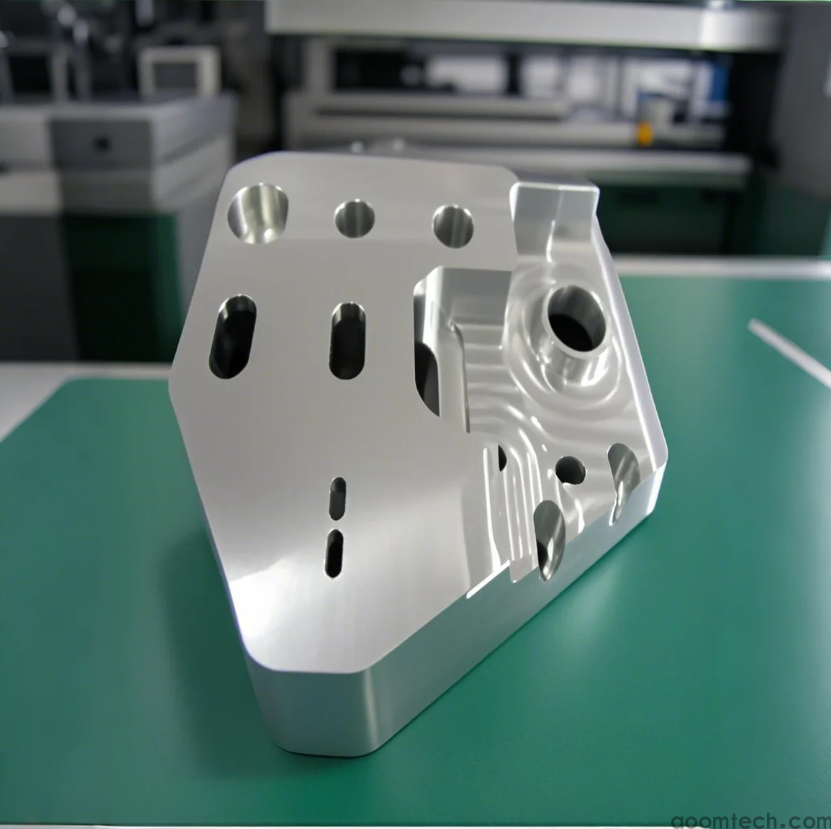
Second, CNC machining can handle **complex geometries**. Modern multi-axis machines can cut deep cavities, angled holes, and intricate shapes that would be hard or slow by hand. This makes CNC ideal for parts with contoured surfaces, pockets, or very detailed features. In fact, CNC is often used when parts must have complex designs and still meet exact size requirements.
Another benefit is **material versatility**. CNC machines can work with many metals and plastics. Common materials include aluminum alloys, stainless steel, brass, titanium, and engineering plastics like ABS or PEEK. For example, aluminum is chosen for its light weight and machinability, while stainless steel offers strength and corrosion resistance. The right material depends on the part’s function (strength, heat, weight needs) and cost. The ability to use different materials is one advantage of CNC machining over some other processes.
Finally, CNC machining is **scalable**. The same CNC program that makes a prototype or small batch can be reused to make larger production runs. This means it’s easy to go from one part to hundreds without changing the process. In practice, CNC shops often handle both prototypes and high-volume orders using the same equipment. This scalability is why CNC is popular for short runs and custom jobs as well as for larger batches.
Understanding Precision Requirements for CNC Machining Parts
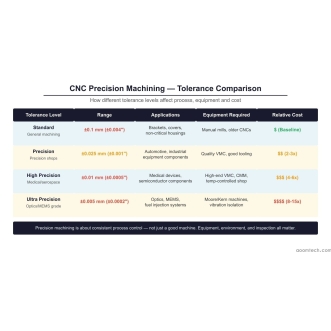
Not every part needs the tightest possible tolerances. The precision requirements for CNC machining parts should match what the part actually does. Overspecifying precision can drive up cost without improving performance. For example, machining a part to a tolerance of ±0.005 mm is much more expensive than ±0.1 mm. In most cases, you should specify very tight tolerances only on critical features (like fitting surfaces or holes that must align) and use standard tolerances for the rest. This approach ensures you only pay extra for precision where it matters.
When setting precision levels, consider the part’s function and environment. Ask: does this dimension affect assembly or safety? Is the part subject to wear or heat changes? Often, a practical design review (sometimes called Design for Manufacturability or DFM) will find that only some features need high precision. By focusing precision on those key areas, you keep costs lower while still meeting functional requirements.
Advantages of Choosing CNC Precision-Made Parts
Better Quality and Performance: CNC precision parts meet exact specifications, so assemblies fit together well and work reliably. Automated machining cuts out variance, leading to consistently high-quality parts.
Less Waste and Rework: High accuracy means fewer scrap parts. Precision CNC machines reduce material waste and defects, saving time and money. As one source notes, precision manufacturing creates “highly accurate components” with “less waste, fewer labor expenses”, which lowers total production cost.
Faster Production: CNC machines work quickly and can run 24/7. They often produce parts faster than manual methods. In practice, modern CNC shops can finish parts in days instead of weeks. This speed helps meet tight deadlines and speeds up product development.
Consistency and Interchangeability: Each part in a batch is nearly identical. This means parts are interchangeable without custom fitting. For example, precision machining can keep dimensional differences within thousandths of an inch, so one part will fit in place of another with no adjustments.
Material Flexibility: CNC allows choosing the best material for the job. Manufacturers can work with metals (aluminum, steel, titanium) or engineering plastics (POM, Nylon, ABS) as needed. This versatility lets parts be strong yet lightweight, or heat-resistant, depending on requirements.
Selecting a Suitable CNC Machining Manufacturer
Evaluate Capabilities: Look for suppliers with the right equipment. Do they have 3-axis or 5-axis CNC mills, lathes, or Swiss machines? Make sure their machinery matches your part’s needs (for example, complex 3D shapes may need 5-axis machining).
Check Quality Systems: A good manufacturer should have strong quality control. They often use precise inspection tools like CMMs (coordinate measuring machines) to check parts. Verify they follow industry standards (such as ISO 9001) and any relevant certifications (like AS9100 for aerospace or ISO 13485 for medical). These ensure they will deliver parts to your specs reliably.
Consider Experience: Prefer suppliers with experience in your industry. A shop that has made similar parts will understand common requirements and standards. You can often find case studies or testimonials on their website showing past projects. This background is a good sign they can handle your part correctly.
Assess Communication and Support: Good suppliers offer design help (DFM) and clear communication. They should review your drawings, suggest improvements, and answer questions promptly. This collaboration reduces mistakes. Also, check if they provide detailed quotes explaining costs (not just a low price) and if they are willing to share sample parts or reports before full production.
Compare Proposals Wisely: Don’t choose based only on the lowest quote. Evaluate the overall value: consider lead time, material sourcing, finishing capabilities, and support. A slightly higher price from a reliable supplier can save money later by avoiding delays or defects.
Cost-Benefit Analysis of CNC Precision Machining Parts
CNC precision parts can cost more than simple parts, but they often save money in the long run. It’s important to look at the total cost of ownership, not just the piece price. Below are factors that raise costs and ways to improve cost efficiency.
Factors That Increase Cost
Tight Tolerances: Extremely precise parts take longer to make. For example, tightening a tolerance from ±0.1 mm to ±0.005 mm slows machining and adds inspection time.
Complex Geometry: Intricate features or deep cavities require extra tool paths and setups, increasing machine time.
Difficult Materials: Hard alloys like titanium or Inconel wear out tools faster and run slower. Such materials can take 3–5 times longer to machine than aluminum.
Extra Processing: Additional steps like polishing, heat-treating, or coating add cost. Each secondary operation involves labor and time.
Small Production Runs: Low volume parts have higher per-piece cost because the setup time is spread over fewer parts. As one guide notes, making just a few units means setup dominates cost, so ordering a few more can greatly reduce the unit price.
Strategies for Cost-Effective Machining
Design Optimization: Work with your manufacturer early. A design review can suggest changes (like adding corner radii or standardizing hole sizes) that cut machining time. In one case, optimizing a part’s design cut its machining cost by over 35%.
Appropriate Tolerances: Use tight tolerances only where needed. Allow standard tolerances on non-critical dimensions. This reduces machining and inspection time while still keeping the part functional.
Batch Sizing: Increase order quantity if you can. Larger batches spread setup costs over more parts. For example, raising a batch from 1 to 100 parts can cut the per-unit cost by over 80%.
Material Choice: Choose the simplest material that meets requirements. If possible, use readily machinable materials (like 6061 aluminum or 12L14 steel) instead of exotic ones. This often cuts tooling costs and cycle time.
Quality Systems: A supplier with good quality control (ISO 9001, SPC) prevents defects. Shops with ISO 9001:2015 can cut defect rates by ~18–25%, which means less wasted work. Preventing scrap parts usually saves more money than it costs to implement those controls.
Overall, compare options not just on unit price. A higher-priced precision part may save money by avoiding assembly issues or warranty repairs. In practice, the cost-effective CNC precision machining part options often come from balancing design, material, and volume. For example, if two designs meet the same function, choosing the one that’s easier to machine or uses a cheaper material can greatly reduce cost without sacrificing performance.
Conclusion
CNC precision machining parts are vital for applications that need accuracy, consistency, and complex shapes. They offer many benefits: tight tolerances for reliable performance, fewer defects thanks to automation, and flexibility in materials and production volume. To get these benefits without overspending, start by defining the true precision requirements and using design strategies to avoid unnecessary complexity. Choose a manufacturer with the right equipment, quality systems, and experience to fit your needs. Finally, look at the full cost picture: sometimes a higher upfront cost yields savings in reduced rework, faster production, and longer-lasting parts. By understanding both the technical and economic factors, you can make informed decisions about when and how to use CNC precision machined parts for the best value.
 How to Choose a CNC Machining
 CNC Machining of Precision Aut
 Tips for CNC Machining Titaniu
 CNC Precision Machining Parts