


CNC Machining for Medical Devices
CNC Machining for Medical Devices: Precision Manufacturing for Critical Healthcare Applications
Challenges in Medical Device Manufacturing
Manufacturing medical devices requires extreme precision, strict compliance, and full traceability. Many companies face serious challenges when developing medical components. These include meeting strict regulatory standards, controlling high production costs, and maintaining consistent accuracy across every part.
Another major concern is material selection. Medical-grade metals and biocompatible polymers are often expensive and difficult to machine. Even a small error can affect patient safety or device performance. For global manufacturers, language barriers and supply chain differences can also make production more complex.
This is where CNC Machining for Medical Devices becomes a reliable solution. It provides high precision, repeatability, and flexibility for producing complex medical parts with stable quality.
What is CNC Machining for Medical Devices?
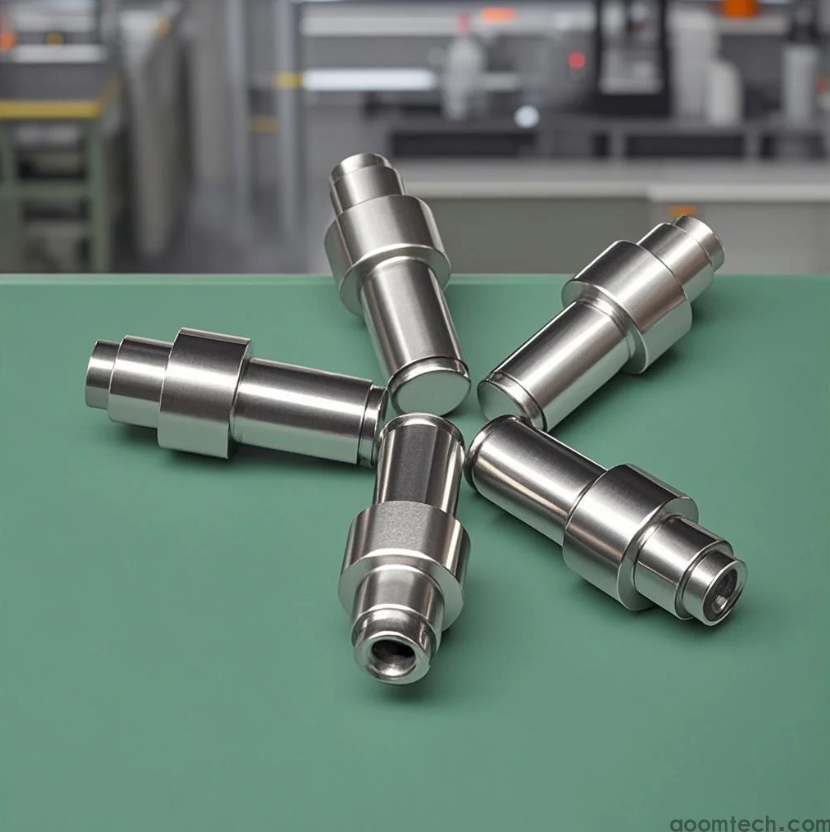
CNC Machining for Medical Devices is a manufacturing process that uses computer-controlled machines to produce highly accurate medical components. It is widely used in surgical tools, implants, diagnostic equipment, and dental applications.
The process ensures that each part follows exact digital designs, reducing human error and improving consistency. This is essential in the medical industry, where even a minor deviation can affect functionality or safety.
Common Applications
Surgical instruments and precision tools
Orthopedic implants and fixation devices
Diagnostic equipment components
Custom dental parts and prosthetics
Material Selection for Medical CNC Machining
Choosing the right material is a key step in medical manufacturing. Materials must be safe for human contact, durable, and resistant to corrosion.
Common materials include:
Stainless steel (316L, 304) for surgical tools
Titanium alloys for implants due to biocompatibility
Cobalt-chrome alloys for high-strength applications
Medical-grade plastics such as PEEK and UHMWPE
Each material requires different machining strategies. For example, titanium is strong but difficult to cut, while PEEK requires temperature control to avoid deformation.
Precision Manufacturing Process
The CNC machining process for medical devices follows a structured workflow to ensure accuracy and compliance.
Design Analysis: Engineering teams review CAD models to ensure manufacturability and compliance with medical standards.
Material Preparation: Certified medical-grade materials are selected and verified.
CNC Machining: Multi-axis CNC machines produce parts with tight tolerances.
Surface Finishing: Processes such as polishing, anodizing, or passivation improve durability and hygiene.
Inspection: Final parts undergo dimensional and functional testing.
Quality Control and Regulatory Compliance
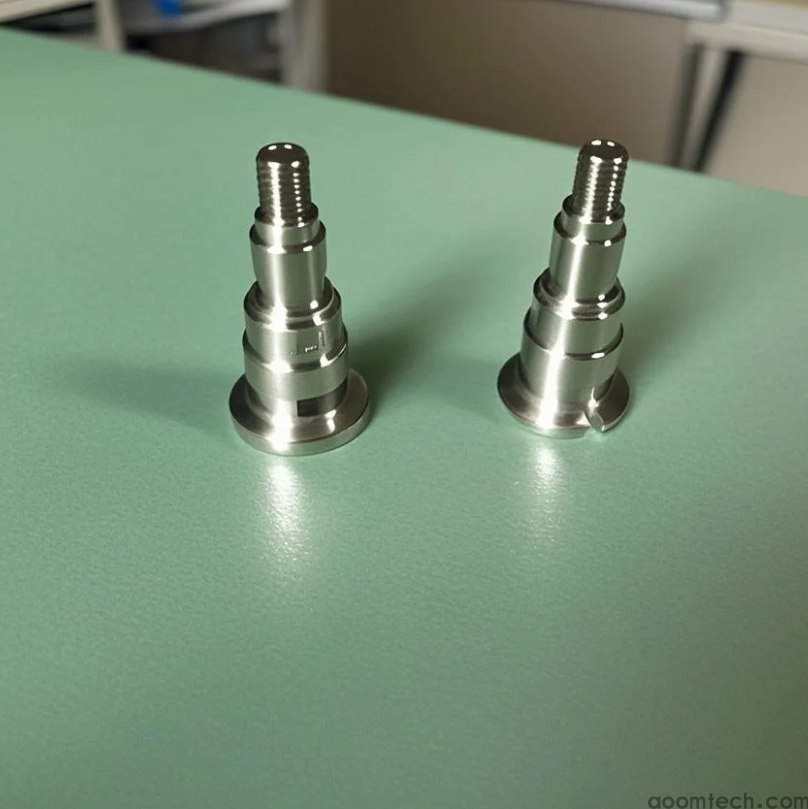
Medical device manufacturing must follow strict quality management systems. One of the most important standards is ISO 13485, which defines requirements for medical device quality assurance.
Quality control in CNC machining includes:
Dimensional inspection using coordinate measuring machines (CMM)
Material certification tracking for full traceability
Surface roughness testing for implant safety
Batch consistency checks for mass production
These controls ensure that every part meets both regulatory and functional requirements.
Cost Efficiency Without Compromising Quality
Many medical companies struggle to balance cost and quality. Advanced CNC machining helps reduce waste and improve efficiency through optimized tool paths and automated production.
For example, affordable CNC machining for medical device components can be achieved by using smart production planning, material optimization, and batch manufacturing strategies.
At the same time, precision is not sacrificed. Modern CNC systems maintain tight tolerances even in large-scale production, helping companies reduce long-term costs while ensuring safety and compliance.
Specialized CNC Solutions for Medical Applications
CNC machining for dental medical devices
Dental applications require extremely small and precise components. CNC machining is used to create crowns, bridges, implants, and orthodontic parts with high accuracy and smooth surface finishes.
High-quality CNC machining for surgical instruments
Surgical tools must be sharp, durable, and reliable. CNC machining ensures consistent geometry and strength, helping surgeons perform safe and precise operations.
Custom medical device manufacturing
Many medical devices require custom designs for specific patients or procedures. CNC machining supports full customization while maintaining regulatory compliance and repeatable quality.
Why CNC Machining is Essential for the Medical Industry
The medical industry demands zero compromise on safety and accuracy. CNC machining provides repeatability, scalability, and precision that traditional manufacturing methods cannot match.
It also supports innovation in medical technology by enabling complex geometries and rapid prototyping. This allows engineers and healthcare companies to develop better and safer devices faster.
Conclusion and Next Steps
CNC Machining for Medical Devices plays a critical role in modern healthcare manufacturing. It ensures precision, compliance, and efficiency across a wide range of applications, from surgical tools to dental components and implants.
By combining advanced machining technology with strict quality control systems such as ISO 13485, manufacturers can achieve reliable and cost-effective production without sacrificing safety or performance.
To learn more, explore our detailed service pages, including CNC-machined medical device components, custom machining solutions, and case studies showcasing successful medical manufacturing projects. These resources can help you better understand how precision CNC solutions can support your specific medical application needs.
 How to Choose a CNC Machining
 CNC Machining of Precision Aut
 Tips for CNC Machining Titaniu
 CNC Precision Machining Parts