


CNC Machining of Parts for the Aerospace Industry
Key Challenges in Aerospace CNC Machining
Choosing CNC Machining of Parts for the Aerospace Industry is not simple. Aerospace components must meet extremely strict safety and performance standards. Even a small error can lead to serious system failure.
Many customers face the same real problems:
Difficulty achieving ultra-high precision for complex aerospace geometries
High cost of aerospace-grade materials such as titanium and nickel alloys
Long lead times caused by strict inspection and certification steps
Limited suppliers with real aerospace manufacturing experience
These challenges make it important to choose a machining partner that understands both engineering detail and quality control systems used in aerospace production.

Aerospace CNC Machining Process Explained
1. Engineering and Process Planning
The process starts with detailed engineering analysis. Aerospace parts often have complex shapes and tight tolerance zones. Engineers must plan tool paths carefully to avoid deformation and ensure stability during cutting.
2. Material Selection for Aerospace Performance
Common materials include titanium alloys, aluminum alloys, stainless steel, and advanced composite materials. Each material is selected based on weight, strength, heat resistance, and fatigue performance.
For example, titanium is widely used in engine parts because it offers high strength with low weight, but it is difficult to machine and requires specialized cutting strategies.
3. Precision Machining Execution
During production, multi-axis CNC machines are often used. These machines help achieve complex shapes in a single setup, reducing errors caused by repositioning.
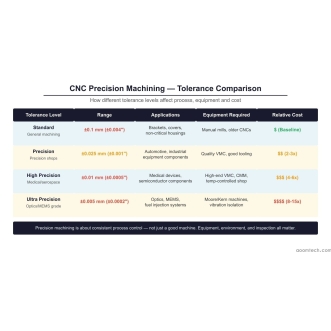
Precision is critical in every step. Even a minor vibration or tool wear can affect final tolerances. That is why aerospace machining requires strict monitoring and stable cutting conditions.
This is especially important for applications such as high-accuracy CNC machining for aerospace engine parts, where performance depends on perfect dimensional control.
4. Surface Treatment and Finishing
After machining, parts often require surface treatments such as anodizing, polishing, or coating. These processes improve corrosion resistance, heat resistance, and fatigue life.
Quality Control and Testing in Aerospace Manufacturing
Quality control is one of the most important steps in aerospace production. Every part must pass strict inspection before delivery.
Dimensional inspection using coordinate measuring machines (CMM)
Surface roughness testing for aerodynamic performance
Non-destructive testing (NDT) such as ultrasonic or X-ray inspection
Material certification and traceability records
These methods ensure that each component meets aerospace safety standards and performs reliably under extreme conditions such as high pressure, vibration, and temperature changes.
Custom Engineering for Aerospace Component Assemblies
Modern aerospace systems require parts that fit together perfectly in complex assemblies. Standard machining is often not enough.
Custom engineering allows manufacturers to design parts that match exact system requirements. This includes tolerance matching, weight optimization, and structural reinforcement where needed.
Advanced suppliers offer custom-engineered CNC machining for aerospace component assemblies, helping reduce assembly time and improve overall system performance.
In addition, some projects focus on cost-efficient CNC machining for aerospace structural parts, balancing performance needs with production budgets while maintaining strict safety standards.
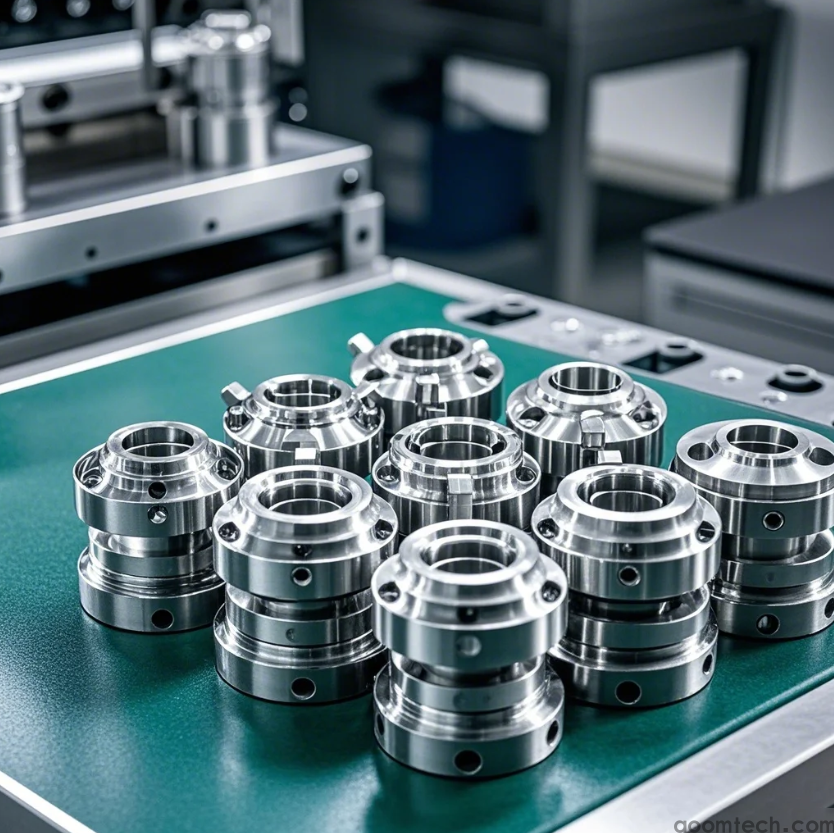
Why Precision and Experience Matter
Aerospace machining is not only about using advanced machines. It requires experience, process control, and a deep understanding of material behavior.
A qualified CNC machining provider must be able to:
Maintain tight tolerances consistently across production batches
Reduce material waste while ensuring structural integrity
Handle difficult materials without affecting part performance
Provide full documentation for aerospace certification needs
Without these capabilities, aerospace parts may fail quality checks or perform poorly in real-world conditions.
Summary and How to Get Started
CNC machining plays a critical role in the aerospace industry. From material selection to precision machining and final inspection, every step must be carefully controlled. High-quality aerospace parts depend on stable processes, skilled engineering, and strict quality assurance systems.
If you are looking for reliable solutions for CNC Machining of Parts for the Aerospace Industry, it is important to work with a supplier that understands aerospace standards and complex technical requirements.
You can explore more information through:
Aerospace part product catalogs for different applications
Custom CNC machining service pages for tailored projects
Case studies showing real aerospace machining results
These resources can help you choose the right solution for your project and reduce risk in production planning.
 How to Choose a CNC Machining
 CNC Machining of Precision Aut
 Tips for CNC Machining Titaniu
 CNC Precision Machining Parts