


How to Select a CNC Precision Parts Machining Service Provider
How to Select a CNC Precision Parts Machining Service Provider
Choosing the right manufacturing partner is one of the most important decisions in precision engineering. A reliable supplier directly affects product quality, production stability, cost control, and delivery performance. This guide explains How to Select a CNC Precision Parts Machining Service Provider using practical, real-world factors that help you avoid costly mistakes and build long-term manufacturing success.
Understand Your Part Requirements
Part Complexity
Before selecting a machining service, you must clearly understand how complex your parts are. Complexity determines the type of machines, programming skills, and manufacturing experience required.
Parts with simple geometry (basic brackets or flat components) can be produced by standard CNC milling or turning machines. However, complex parts such as those with multiple cavities, deep undercuts, or organic 3D surfaces require advanced multi-axis machining systems.
For example, a custom-designed mold for a medical device often includes detailed internal channels and precision sealing surfaces. Producing such a part requires a service provider with strong expertise in toolpath programming, 3-axis to 5-axis machining, and tight process control. Without these capabilities, defects like misalignment or incomplete surfaces may occur.
Precision and Tolerance
Precision is the foundation of CNC machining quality. You must clearly define tolerance requirements before choosing a provider. Tight tolerances, such as ±0.05mm or even stricter, demand high-end equipment, controlled environments, and skilled operators.
Different industries have different expectations. For example, the electronics industry often requires extremely tight tolerances to ensure proper fit of connectors and housings. In contrast, general industrial parts may allow slightly looser tolerances.
Tolerance directly affects machining cost and production difficulty. The tighter the tolerance, the more time-consuming the machining process becomes, often requiring additional inspection steps and specialized tools. Even a small deviation can lead to serious issues, such as parts not fitting correctly during assembly or mechanical failure in operation.
Evaluate Provider Capabilities
Machine Types and Axes
A key step in evaluating capabilities of CNC precision parts machining service providers is understanding their equipment portfolio.
CNC lathes – Best for cylindrical components such as shafts, pins, and bushings.
CNC milling machines – Used for flat surfaces, pockets, slots, and general 3D shaping.
4-axis machines – Allow rotation for more complex features in fewer setups.
5-axis machines – Ideal for highly complex geometries like turbine blades or impellers.
For example, a complex impeller with curved surfaces and multi-angle features is best manufactured using a 5-axis CNC machine. This reduces setup time, improves accuracy, and ensures smooth surface finishing without repositioning errors.
Precision and Repeatability
High precision is not enough—repeatability is equally important. A reliable provider must consistently produce identical parts across large production batches.
This is especially critical in mass production, where even slight variations can lead to assembly issues. For example, gears with inconsistent tooth profiles can cause vibration, noise, or mechanical failure in the final product.
To evaluate repeatability, you can request sample parts, review past production reports, or ask about their quality monitoring systems. A strong provider will openly share process data and inspection records.
Check Quality Assurance Systems
In-process Quality Control
A professional CNC provider should implement strict quality assurance in choosing a CNC precision parts machining service. This includes continuous inspection during production.
Common tools used in-process include:
Calipers and micrometers for basic measurements
Coordinate Measuring Machines (CMM) for high-precision inspection
Surface roughness testers for finish quality evaluation
In-process inspection helps detect issues early. For example, if tool wear causes dimensional drift during machining, immediate correction prevents a full batch of defective parts.
Final Inspection and Testing
After machining, parts should undergo comprehensive final inspection. This includes dimensional verification, surface finish checks, and functional testing where necessary.
Depending on the application, additional testing methods may include:
Non-destructive testing (ultrasonic or magnetic particle inspection)
Hardness testing for material strength validation
Pressure testing for hydraulic or sealed components
For example, a hydraulic cylinder must pass pressure testing to ensure it can safely operate under load without leakage or deformation.
Review Experience and Technical Expertise
Industry Experience
Choosing a provider with experience in your specific industry can significantly improve results. A supplier familiar with aerospace, automotive, or medical standards understands compliance requirements and quality expectations.
For example, automotive components require strict safety and durability standards. A provider experienced in this industry will already be familiar with material traceability, production documentation, and quality certification requirements.
It is recommended to request case studies or references to verify real project experience.
Precision Machining Expertise
Expertise in programming, tooling selection, and machining strategy is essential for high-quality production. Skilled engineers can optimize toolpaths, reduce machining time, and improve surface finish quality.
This expertise often leads to better efficiency and lower production costs. For instance, advanced programming techniques can reduce tool changes and improve machining stability for complex parts.
Consider Cost-Effectiveness and Delivery Performance
Cost Transparency
A trustworthy supplier should provide clear and detailed pricing. Transparent cost breakdowns typically include:
Material costs
Machining time and labor
Tooling and setup fees
Surface treatment or finishing costs
This helps you compare suppliers fairly and understand where your budget is being used.
Delivery Time and Reliability
Timely delivery is critical for production planning. A reliable provider should give realistic lead times and consistently meet deadlines.
Delays in precision parts production can disrupt entire assembly lines. For example, late delivery of a single component may delay final product assembly, resulting in financial losses and missed market opportunities.
Assess Customer Service and Communication
Responsiveness
Good communication is a strong indicator of service quality. A reliable provider responds quickly to technical questions, quotation requests, and production updates.
Poor responsiveness often leads to misunderstandings, delayed decisions, and production errors. Early communication behavior is usually a good indicator of long-term cooperation quality.
Collaboration and Flexibility
A strong CNC partner should be willing to collaborate on design optimization and production improvements. This includes suggesting manufacturability improvements or adjusting processes to reduce cost without sacrificing quality.
For example, a provider may recommend modifying internal radii or simplifying deep cavities to reduce machining time while maintaining full functional performance.
Conclusion
Learning How to Select a CNC Precision Parts Machining Service Provider requires careful evaluation of technical capability, quality systems, experience, cost structure, and communication quality. The right partner is not just a supplier, but a long-term manufacturing collaborator who helps improve product performance and production efficiency.
By applying these principles, businesses can make more informed decisions and reduce the risks associated with outsourcing precision manufacturing.
How to Select a CNC Precision Parts Machining Service Provider
Choosing the right manufacturing partner is one of the most important decisions in precision engineering. A reliable supplier directly affects product quality, production stability, cost control, and delivery performance. This guide explains How to Select a CNC Precision Parts Machining Service Provider using practical, real-world factors that help you avoid costly mistakes and build long-term manufacturing success.
Understand Your Part Requirements
Part Complexity
Before selecting a machining service, you must clearly understand how complex your parts are. Complexity determines the type of machines, programming skills, and manufacturing experience required.
Parts with simple geometry (basic brackets or flat components) can be produced by standard CNC milling or turning machines. However, complex parts such as those with multiple cavities, deep undercuts, or organic 3D surfaces require advanced multi-axis machining systems.
For example, a custom-designed mold for a medical device often includes detailed internal channels and precision sealing surfaces. Producing such a part requires a service provider with strong expertise in toolpath programming, 3-axis to 5-axis machining, and tight process control. Without these capabilities, defects like misalignment or incomplete surfaces may occur.
Precision and Tolerance
Precision is the foundation of CNC machining quality. You must clearly define tolerance requirements before choosing a provider. Tight tolerances, such as ±0.05mm or even stricter, demand high-end equipment, controlled environments, and skilled operators.
Different industries have different expectations. For example, the electronics industry often requires extremely tight tolerances to ensure proper fit of connectors and housings. In contrast, general industrial parts may allow slightly looser tolerances.
Tolerance directly affects machining cost and production difficulty. The tighter the tolerance, the more time-consuming the machining process becomes, often requiring additional inspection steps and specialized tools. Even a small deviation can lead to serious issues, such as parts not fitting correctly during assembly or mechanical failure in operation.
Evaluate Provider Capabilities
Machine Types and Axes
A key step in evaluating capabilities of CNC precision parts machining service providers is understanding their equipment portfolio.
CNC lathes – Best for cylindrical components such as shafts, pins, and bushings.
CNC milling machines – Used for flat surfaces, pockets, slots, and general 3D shaping.
4-axis machines – Allow rotation for more complex features in fewer setups.
5-axis machines – Ideal for highly complex geometries like turbine blades or impellers.
For example, a complex impeller with curved surfaces and multi-angle features is best manufactured using a 5-axis CNC machine. This reduces setup time, improves accuracy, and ensures smooth surface finishing without repositioning errors.
Precision and Repeatability
High precision is not enough—repeatability is equally important. A reliable provider must consistently produce identical parts across large production batches.
This is especially critical in mass production, where even slight variations can lead to assembly issues. For example, gears with inconsistent tooth profiles can cause vibration, noise, or mechanical failure in the final product.
To evaluate repeatability, you can request sample parts, review past production reports, or ask about their quality monitoring systems. A strong provider will openly share process data and inspection records.
Check Quality Assurance Systems
In-process Quality Control
A professional CNC provider should implement strict quality assurance in choosing a CNC precision parts machining service. This includes continuous inspection during production.
Common tools used in-process include:
Calipers and micrometers for basic measurements
Coordinate Measuring Machines (CMM) for high-precision inspection
Surface roughness testers for finish quality evaluation
In-process inspection helps detect issues early. For example, if tool wear causes dimensional drift during machining, immediate correction prevents a full batch of defective parts.
Final Inspection and Testing
After machining, parts should undergo comprehensive final inspection. This includes dimensional verification, surface finish checks, and functional testing where necessary.
Depending on the application, additional testing methods may include:
Non-destructive testing (ultrasonic or magnetic particle inspection)
Hardness testing for material strength validation
Pressure testing for hydraulic or sealed components
For example, a hydraulic cylinder must pass pressure testing to ensure it can safely operate under load without leakage or deformation.
Review Experience and Technical Expertise
Industry Experience
Choosing a provider with experience in your specific industry can significantly improve results. A supplier familiar with aerospace, automotive, or medical standards understands compliance requirements and quality expectations.
For example, automotive components require strict safety and durability standards. A provider experienced in this industry will already be familiar with material traceability, production documentation, and quality certification requirements.
It is recommended to request case studies or references to verify real project experience.
Precision Machining Expertise
Expertise in programming, tooling selection, and machining strategy is essential for high-quality production. Skilled engineers can optimize toolpaths, reduce machining time, and improve surface finish quality.
This expertise often leads to better efficiency and lower production costs. For instance, advanced programming techniques can reduce tool changes and improve machining stability for complex parts.
Consider Cost-Effectiveness and Delivery Performance
Cost Transparency
A trustworthy supplier should provide clear and detailed pricing. Transparent cost breakdowns typically include:
Material costs
Machining time and labor
Tooling and setup fees
Surface treatment or finishing costs
This helps you compare suppliers fairly and understand where your budget is being used.
Delivery Time and Reliability
Timely delivery is critical for production planning. A reliable provider should give realistic lead times and consistently meet deadlines.
Delays in precision parts production can disrupt entire assembly lines. For example, late delivery of a single component may delay final product assembly, resulting in financial losses and missed market opportunities.
Assess Customer Service and Communication
Responsiveness
Good communication is a strong indicator of service quality. A reliable provider responds quickly to technical questions, quotation requests, and production updates.
Poor responsiveness often leads to misunderstandings, delayed decisions, and production errors. Early communication behavior is usually a good indicator of long-term cooperation quality.
Collaboration and Flexibility
A strong CNC partner should be willing to collaborate on design optimization and production improvements. This includes suggesting manufacturability improvements or adjusting processes to reduce cost without sacrificing quality.
For example, a provider may recommend modifying internal radii or simplifying deep cavities to reduce machining time while maintaining full functional performance.
Conclusion
Learning How to Select a CNC Precision Parts Machining Service Provider requires careful evaluation of technical capability, quality systems, experience, cost structure, and communication quality. The right partner is not just a supplier, but a long-term manufacturing collaborator who helps improve product performance and production efficiency.
By applying these principles, businesses can make more informed decisions and reduce the risks associated with outsourcing precision manufacturing.
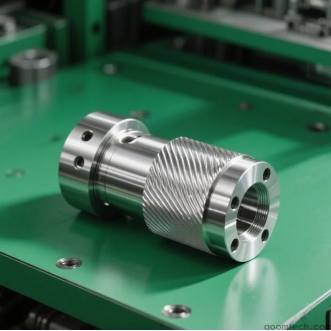 How to Ensure Precision in CNC
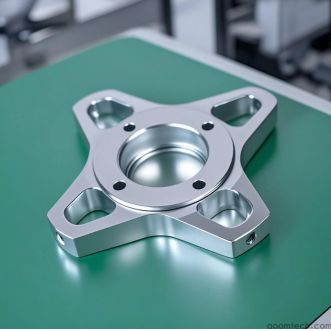 Small Batch Precision CNC Mach
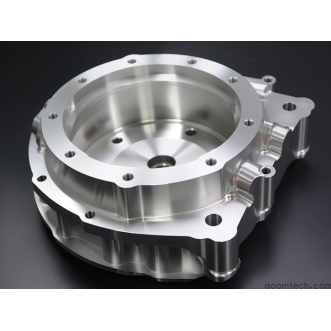 What surface finish can CNC ma
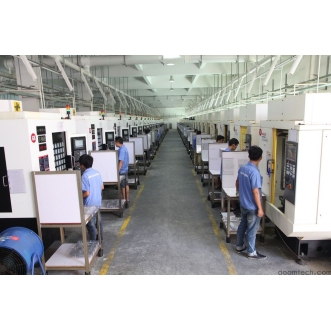 CNC Machining Tolerance Settin