


How to Choose a Reliable CNC Machining Parts Manufacturer
How to Choose a Reliable CNC Machining Parts Manufacturer
Choosing the right supplier is one of the most important decisions in any engineering or product development project. A good partner ensures stable quality, on-time delivery, and cost control. A poor choice can lead to delays, failed assemblies, and unnecessary expenses.
This guide explains How to Choose a Reliable CNC Machining Parts Manufacturer using practical steps that help engineers, buyers, and startups make better decisions. It also introduces key evaluation points such as capability, quality control, experience, cost, and communication.
Understand Your Part Requirements
Part Complexity
Before selecting a manufacturer, clearly define the complexity of your parts. Complex parts with intricate geometries, multiple cavities, deep holes, or undercuts require advanced machining capability.
For example, a custom plastic injection mold with internal cooling channels is much more complex than a simple bracket. Such parts often require multi-axis CNC machines (like 4-axis or 5-axis systems) and specialized tooling.
Understanding complexity helps you avoid choosing a supplier that lacks the technical ability to produce your design correctly. This is a key step in evaluating capabilities of CNC machining parts manufacturers.
Precision and Tolerance
Precision requirements directly affect both manufacturing cost and production method. Tight tolerances such as ±0.05mm or smaller are common in industries like aerospace, medical devices, and robotics.
A manufacturer without high-precision machines or skilled operators may struggle to meet these requirements. Even a small deviation can lead to assembly failure. For instance, a shaft that is slightly oversized may not fit into a bearing, causing the entire assembly to fail.
Clear tolerance definitions ensure the manufacturer understands your quality expectations from the beginning.
Evaluate Manufacturer's Capabilities
Machine Types and Axes
A reliable CNC machining manufacturer should have a wide range of equipment to handle different part types.
CNC lathes: Used for cylindrical parts like shafts, pins, and bushings.
CNC milling machines: Used for flat surfaces, slots, pockets, and 3D shapes.
4-axis machines: Useful for parts requiring rotation during machining.
5-axis machines: Ideal for complex geometries such as turbine blades or impellers.
For example, a 5-axis machine can complete an impeller in one setup, reducing repositioning errors and improving accuracy. This directly improves production efficiency and surface quality.
Precision and Repeatability
Precision is not only about making one good part—it is about making hundreds or thousands of identical parts. Repeatability is critical for mass production and assembly consistency.
You can assess this by reviewing sample parts, case studies, or inspection reports. Manufacturers with strong process control systems usually maintain consistent dimensional accuracy across batches.
Inconsistent gear tooth profiles, for example, can cause vibration, noise, and early wear in mechanical systems. This shows why repeatability is as important as precision.
Check Quality Assurance Systems
In-process Quality Control
Strong manufacturers use in-process inspection to ensure quality during production, not only at the end. This includes using tools such as calipers, micrometers, height gauges, and coordinate measuring machines (CMMs).
Regular checks help detect problems early, such as tool wear or dimensional drift. For example, if a cutting tool starts wearing out during production, early detection prevents the entire batch from being defective.
This is a key factor in quality assurance in choosing a CNC machining parts manufacturer.
Final Inspection and Testing
After machining, a reliable manufacturer performs final inspection to confirm that all requirements are met. This includes:
Dimensional measurement
Surface roughness testing
Visual inspection
Functional testing (if required)
For critical applications, non-destructive testing methods such as ultrasonic testing or magnetic particle inspection may be used to detect internal defects.
For example, hydraulic components may undergo pressure testing to ensure they do not leak under operating conditions.
Review Experience and Expertise
Industry Experience
A manufacturer with experience in your industry understands specific standards and requirements. Automotive, aerospace, medical, and electronics industries all have different quality expectations and regulations.
For example, automotive components require durability and cost efficiency, while medical parts require strict cleanliness and biocompatibility standards.
Asking for case studies or previous project references helps confirm whether the manufacturer is familiar with your field.
CNC Machining Expertise
Technical expertise is a major advantage. Experienced manufacturers understand programming, tooling selection, cutting strategies, and process optimization.
For example, advanced toolpath programming can reduce machining time while maintaining precision. This improves both cost efficiency and production speed.
Skilled engineers also help solve design challenges and suggest improvements for manufacturability.
Consider Cost-effectiveness and Delivery
Cost Transparency
A trustworthy manufacturer should provide clear and detailed pricing. Costs typically include:
Material costs
Machining time
Tooling and setup costs
Surface finishing or special processes
Transparent pricing helps you compare suppliers fairly and avoid hidden charges. Always request an itemized quotation to understand where your money is spent.
Delivery Time and Reliability
On-time delivery is critical in modern supply chains. Delays can stop production lines or delay product launches.
A reliable manufacturer should provide realistic lead times and have enough production capacity to handle urgent orders or peak demand.
Late delivery can cause serious problems. For example, if machined parts for an assembly line arrive late, the entire production schedule may be delayed, increasing costs and reducing market competitiveness.
Assess Customer Service and Communication
Responsiveness
Good communication is a sign of a professional manufacturer. They should respond quickly to technical questions, quotations, and design discussions.
Slow response during early communication often indicates potential delays during production as well. Efficient communication helps prevent misunderstandings and ensures smooth project execution.
Collaboration and Flexibility
A strong manufacturing partner is not just a supplier but also a collaborator. They should be willing to suggest design improvements, adjust production plans, and adapt to changes when necessary.
For example, a manufacturer may recommend modifying a sharp internal corner to reduce machining stress and lower production cost without affecting functionality.
This level of cooperation improves both product quality and production efficiency.
Final Thoughts
Selecting the right partner requires careful evaluation of technical ability, quality systems, industry experience, and communication style. When all these factors are considered together, you can significantly reduce production risks and improve product success.
By following this guide on How to Choose a Reliable CNC Machining Parts Manufacturer, you can make more informed decisions and build long-term partnerships that support your engineering and business goals.
Key long-tail SEO focus areas such as evaluating capabilities of CNC machining parts manufacturers, quality assurance in choosing a CNC machining parts manufacturer, and customer service in selecting a CNC machining parts manufacturer are essential criteria that should always be part of your evaluation process.
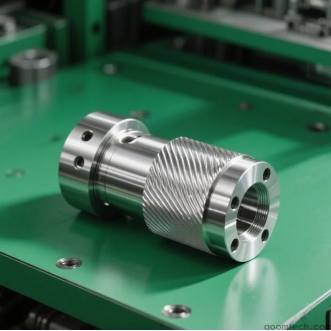 How to Ensure Precision in CNC
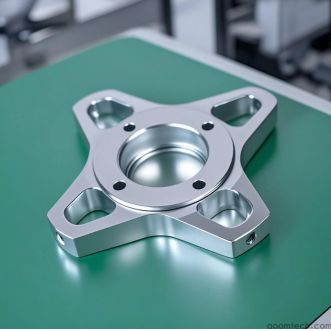 Small Batch Precision CNC Mach
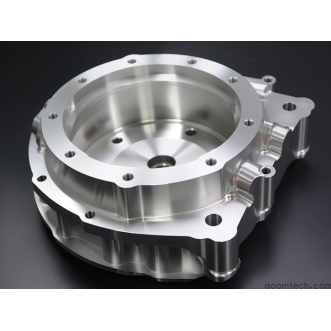 What surface finish can CNC ma
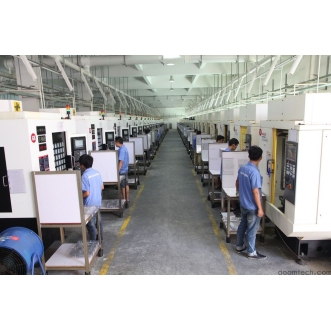 CNC Machining Tolerance Settin