


Reliable CNC Machining Service Provider for Small Batch Production
Reliable CNC Machining Service Provider for Small Batch Production
Understanding Small-Batch Production Needs
Unique Requirements of Small-Batch Production
Small-batch production is very different from mass production. It focuses on producing a limited number of parts, often for prototypes, testing, or custom applications. In this case, flexibility is more important than large-scale efficiency.
For example, a startup developing a new product may only need 10 to 100 custom parts. They need fast turnaround, reasonable cost, and the ability to adjust designs quickly. Long lead times or high setup costs can make the project difficult to manage. These needs directly affect how you choose a Reliable CNC Machining Service Provider for Small Batch Production.
Key Qualities of a Reliable Provider
Machine and Equipment Capabilities
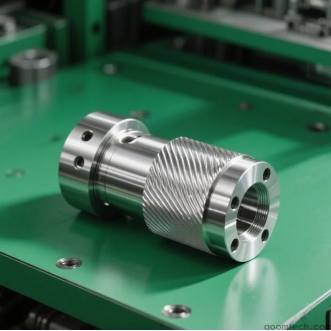
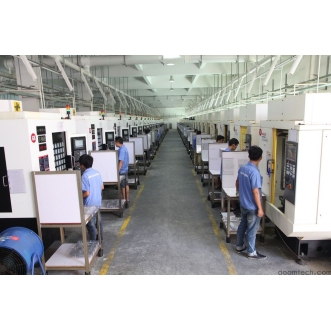
A strong provider must have a wide range of CNC machines. This includes CNC lathes for round and cylindrical parts, and CNC milling machines for flat surfaces and complex 3D shapes.
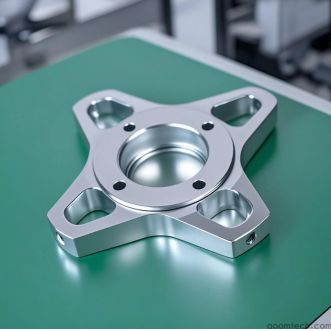
Advanced multi-axis machines, such as 4-axis and 5-axis systems, are especially important. They allow more complex geometries to be produced in a single setup, improving accuracy and reducing errors.
For example, a 5-axis machine is ideal for producing small aerospace prototypes with complex curves and tight tolerances. These machine capabilities of small-batch CNC machining service providers directly affect product quality and production speed.
Precision and Repeatability
Precision is critical even in small batches. A reliable provider must consistently meet tight tolerances and ensure each part is identical.
This is especially important in assemblies where multiple parts must fit together perfectly. Even a small deviation can cause assembly failure.
To evaluate this, you can request sample parts or review past project results. Strong repeatability shows that the provider has stable processes and skilled operators.
Quality Assurance in Small-Batch Production
In-Process Quality Control
A dependable CNC provider must use strict in-process inspection methods. Tools like calipers, micrometers, and Coordinate Measuring Machines (CMM) help check accuracy during production.
This allows early detection of issues such as tool wear or dimensional errors. For example, if a cutting tool begins to wear during machining, it can be corrected immediately before producing defective parts.
These steps are part of strong quality assurance for small-batch CNC machining services.
Final Inspection and Testing
After machining, every part should go through final inspection. This includes dimensional checks, surface quality inspection, and sometimes functional testing.
For special applications, additional tests may be required. For example, hydraulic parts may undergo pressure testing, while metal parts may require hardness testing or non-destructive testing methods.
This ensures all small-batch parts meet required standards before delivery.
Experience and Expertise
Industry Experience
A reliable provider should have experience in your specific industry, such as automotive, aerospace, electronics, or medical fields.
Industry experience helps them understand strict standards and avoid common production risks. Asking for case studies or past project examples is a good way to evaluate their capability.
Small-Batch Machining Expertise
Small-batch production requires efficient programming, fast setup changes, and optimized tooling strategies.
Experienced providers can reduce machining time and cost by using advanced CAM programming and smart process planning. This improves efficiency without sacrificing quality.
Cost-Effectiveness and Delivery
Cost Transparency
Clear pricing is essential when selecting a provider. A trustworthy company should explain all cost components, including materials, machining time, tooling, and finishing.
This is especially important because small batches often have higher unit costs due to setup time. Understanding cost-effectiveness in choosing a small-batch CNC machining service provider helps avoid unexpected expenses.
Delivery Time and Reliability
Fast and reliable delivery is critical for prototypes and small production runs. Delays can slow product development or disrupt market launch plans.
A good provider should offer realistic lead times and maintain strong production scheduling. Checking customer reviews or references can help confirm their delivery reliability.
Customer Service and Communication
Responsiveness
Good communication is a key sign of a professional CNC provider. They should respond quickly to questions about design, pricing, and production updates.
Slow communication can lead to misunderstandings and project delays, especially in fast-moving small-batch projects.
Collaboration and Flexibility
A reliable partner should be open to collaboration. This includes suggesting design improvements, adjusting production schedules, or adapting to design changes.
For example, a provider may recommend small design adjustments that reduce machining time and cost while maintaining full functionality. This flexibility is a major advantage in small-batch manufacturing.
Conclusion
Choosing the right Reliable CNC Machining Service Provider for Small Batch Production is essential for product success. The best providers combine advanced machines, strong quality control, industry experience, transparent pricing, and excellent communication.
By carefully evaluating these factors, businesses can ensure high-quality results, reduced risks, and efficient small-batch production that supports product development and growth.
 How to Ensure Precision in CNC
 Small Batch Precision CNC Mach
 What surface finish can CNC ma
 CNC Machining Tolerance Settin