


How to Choose a Reliable CNC Machining Transmission Rod Supplier?
How to Choose a Reliable CNC Machining Transmission Rod Supplier?
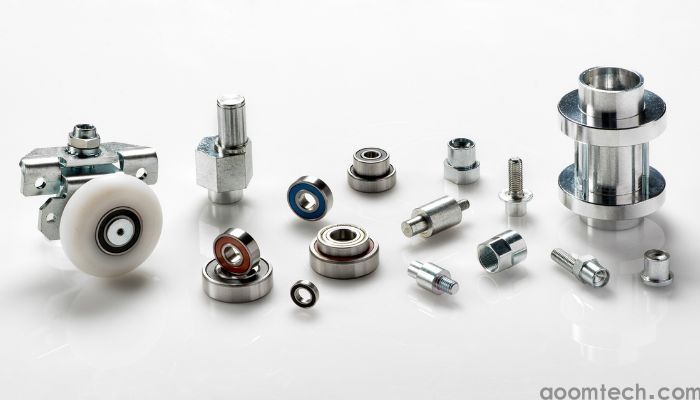
I've seen procurement managers spend weeks searching for a transmission rod supplier, only to get parts that fail after a month of use. It's a familiar story. Transmission rods are critical components — they transfer motion and power, and when they fail, entire production lines stop.
So how do you find a supplier who consistently delivers precision and durability? Let me share what I've learned from years in this business.
What Makes a Transmission Rod Supplier Reliable?
A reliable supplier delivers on three things. First, dimensional precision. The rod must match your CAD model exactly. Even 0.01 mm deviation can cause vibration or assembly failure. Second, material integrity. The correct grade of steel with proper heat treatment and no internal flaws. Third, surface finish — the right treatment for wear resistance.
We see clients who specify "4140 steel" but get inconsistent performance between batches. That's almost always a heat treatment issue. A good supplier controls quenching and tempering to hit the exact hardness you need — say HRC 28-32 — and provides material certifications to prove it.
Hidden Factors Most Buyers Miss
Anyone can claim they have quality control. The real question is: can they walk you through their process? I look for suppliers who discuss incoming material inspection, in-process checks during milling and turning, and final quality audits with CMM equipment.
I also test their problem-solving. Instead of asking "Can you make this?", I present a past challenge. "If we had thread galling on a previous rod, how would you fix it in machining?" The answer tells you everything about their engineering depth.
Communication matters too. Timely updates, proactive alerts about delays, a clear technical contact — these are part of the delivered quality. A silent supplier is a red flag we've seen too many times.
Why the Cheapest Quote Costs More
Budgets are tight. I understand that. But with transmission rods, the cheapest quote often comes from cutting corners — off-spec material, skipped inspections, poorly maintained machines. The result is rods that fail, causing production stoppages that cost thousands per hour.
Think about total cost of ownership: purchase price plus failure cost plus integration cost. A slightly higher upfront price from a capable supplier delivers far better long-term value. We've had customers switch to us after losing two weeks of production to failed rods from a cheaper source.
How to Start the Right Conversation
Instead of sending a vague request for "transmission rod pricing," prepare a package with detailed drawings showing critical tolerances, information about the operating environment (load, speed, exposure), and required quality documentation like First Article Inspection reports and material certs. This immediately separates you from casual buyers and gets you better attention.
Send your CAD files to chen@aoomtech.com for a quote within 24 hours.
 CNC Machining Aluminum vs Stee
 Small Batch Precision CNC Mach
 How to Ensure Precision in CNC
 How to Calculate CNC Machining