


Reliable CNC Machining Manufacturer for Small Parts
Reliable CNC Machining Manufacturer for Small Parts
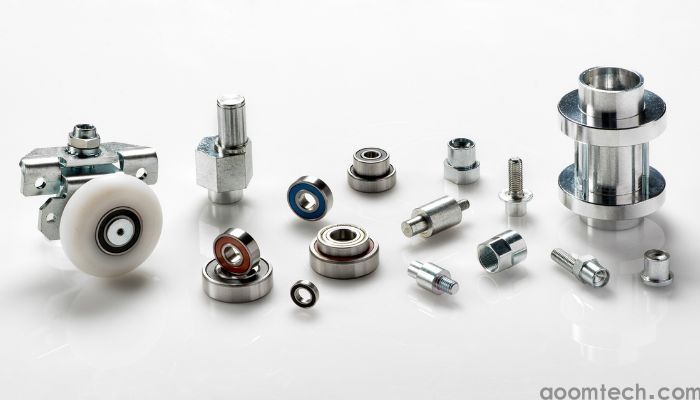
I talk to engineers and startup founders every week who have the same problem. They have a brilliant product design, but they only need 50 or 100 pieces. Every large CNC shop they call wants a 10,000-piece minimum or quotes a price that kills the project. I get it. That frustration is real.
Finding a reliable CNC machining manufacturer for small parts is genuinely hard. The big factories are set up for high-volume production runs. The setup time for a 50-piece order is almost the same as a 5,000-piece order, so they either refuse the job or charge a premium that makes no sense for prototyping or low-volume production.
What to Look for in a Small-Batch CNC Partner
In my experience, the best partners for small-batch work aren't the giant factories. They're specialized shops built around flexibility. Here's what I tell clients to look for:
Transparent pricing. A good shop explains the cost breakdown — material, machine time, setup, finishing. If the quote looks too simple with no breakdown, that's a red flag. We see this all the time at AOOM: clients come to us after getting a one-line quote from another shop, only to discover hidden fees later.
DFM feedback. This is the biggest tell. A great manufacturer reviews your CAD file and suggests changes. "If we adjust this internal corner radius, we can cut 15% off the cost." That's a partner, not an order-taker. We do this with every single quote we send out.
Material and finish options. Can they work with the 6061 aluminum or 304 stainless you need? Do they offer anodizing, powder coating? This signals real capability.
The Speed-Cost-Quality Trade-Off for Low Volumes
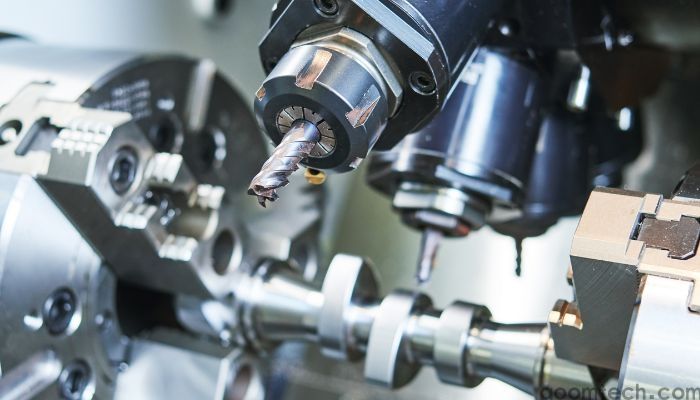
You know the saying — fast, good, cheap, pick two. For small batches, the real trade-off is usually speed versus cost. Need parts in 5 days? That costs more because it means interrupting scheduled work. A 15-day lead time gives you better pricing.
But here's what I tell every client: never compromise on precision to save money. A part that doesn't fit is 100% wasted money, no matter how cheap it was. We've had customers come to us after a cheap shop delivered out-of-tolerance parts that cost them weeks of delays.
How to Start Your Project Right
When you're ready to move forward, here's the process I recommend:
Prepare a clean STEP or IGES file and a 2D drawing with critical tolerances marked. Define your material, quantity, surface finish, and lead time clearly. Then ask your potential supplier about their experience with similar parts, their DFM process, and how they handle quality inspection.
This approach separates serious buyers from casual inquiries and gets you better service every time. The shops that respond with thoughtful technical questions rather than just a price — those are the ones worth working with.
Send your CAD files to chen@aoomtech.com for a quote within 24 hours.
 CNC Machining Aluminum vs Stee
 Small Batch Precision CNC Mach
 How to Ensure Precision in CNC
 How to Calculate CNC Machining