


How to Prevent Deformation in CNC Copper Machining?
I've lost count of how many times a client has called me frustrated. Their red copper parts came off the CNC machine warped, twisted, or just plain out of spec. It's a common problem — and a painful one. Delayed projects, blown budgets, and scrap bins full of expensive copper.
Here's the thing: copper is a tricky material. It's soft, ductile, and has high thermal expansion. During machining, heat from cutting, pressure from clamping, and internal stress from the raw material all fight against you. But there are proven ways to win that fight.
Let me share what we've learned in our shop after machining thousands of copper parts.
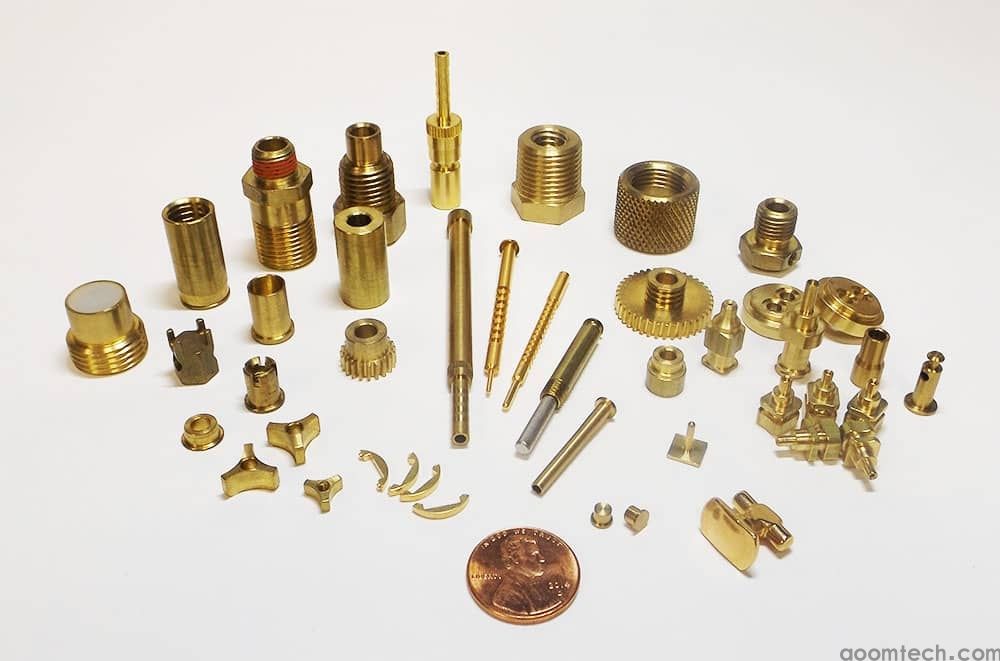
Why Copper Deforms During Machining
First, understand what you're dealing with. Pure red copper has fantastic conductivity and workability. But it also has low hardness and high thermal expansion. That's a dangerous combination on a CNC machine.
Think of it like carving intricate details into a chocolate bar on a warm day. The heat from your cutting tool softens the material. The clamping pressure distorts it. And the internal stresses from the copper's own manufacturing process — rolling, drawing, extruding — release as you remove material. The part that was perfectly positioned starts to move.
Control Heat and Stress — That's the Whole Game
The short answer to preventing deformation is a two-part strategy: control heat generation and minimize mechanical stress. You can't beat physics, but you can outsmart it.
This means looking at your entire process — from raw material to final cut — and making smart adjustments at every stage. No single trick solves it. It's a combination of techniques working together.
Fix Your Fixturing First
This is where most problems start. Excessive or uneven clamping force introduces stress before a single chip is cut.
Use soft jaws or custom fixtures. Machine soft jaws that match your part's contour. This spreads clamping force over a larger area and prevents point-loading that distorts thin sections.
Try vacuum or adhesive fixturing. For thin-walled or complex copper parts, these methods provide excellent hold without crushing pressure. They're game-changers for delicate work.
Sequence your clamping. Tighten clamps in a cross pattern, just like lug nuts on a car wheel. Even pressure distribution prevents the part from twisting in the vise.
Master Your Cutting Parameters
Your CNC program needs to be gentle with copper. Aggressive cuts generate heat, and heat is your enemy.
Sharp tools are non-negotiable. Use sharp, polished carbide tools designed for non-ferrous metals. Dull tools rub instead of cut, generating friction that heats and deforms the material. I tell our machinists: if it sounds different, change the insert.
Higher spindle speeds, lighter depths. Counter-intuitive but true. A lighter depth of cut with higher feed removes material efficiently while generating less heat than a heavy, slow pass. The chip carries heat away instead of conducting it into the part.
Flood the coolant. This isn't optional for copper. Direct high-pressure coolant right at the cutting edge. It carries heat away instantly and prevents the part from soaking up thermal energy. Without good coolant coverage, you're fighting a losing battle.
Consider the Material's History
Sometimes the problem is baked into the raw stock before it reaches your machine. The internal grain structure of copper harbors stress from its own manufacturing process.
Specify stress-relieved copper. When ordering raw material, ask for stress-relieved stock. This extra step uses heat treatment to relax internal tensions before machining starts.
Use a multi-pass strategy. For critical parts, machine in several light passes. Let the part sit and cool between operations. Rough it out, let it settle, then come back for the finish pass. This allows internal stresses to release gradually instead of all at once.
Is Zero Deformation Possible?
Let's be honest. Absolute zero deformation — especially on intricate or very thin copper parts — is chasing a ghost. The real goal is reducing distortion to within your acceptable tolerance.
The methods above will get you 95% of the way there. The final 5% comes down to machinist experience and the specific capabilities of the shop. I've seen shops with proprietary fixture designs and toolpath strategies developed through years of trial and error. That institutional knowledge makes a real difference.
If you're tired of dealing with warped copper components, the next step is a conversation. A good CNC partner can look at your design and suggest specific modifications to the machining approach — or even small design tweaks that make the part more stable without sacrificing function.
Send your CAD files to chen@aoomtech.com for a quote within 24 hours.
 CNC Machining Aluminum vs Stee
 Small Batch Precision CNC Mach
 How to Ensure Precision in CNC
 How to Calculate CNC Machining