


How to Choose the Right Tool for Different Steel Types in CNC Machining: A Practical Guide
Why Steel Type Determines Your Tool Choice
Steels have different personalities. Some are gummy and soft. Others are hard and abrasive. Using the same tool for both is like using a butter knife to carve a hardwood table — it will work for a while but the results will disappoint.
I tell our machinists that the right tool choice is the single biggest lever they have for efficiency and part quality. A tool matched to the steel type cuts better, lasts longer, and produces better surface finishes. A mismatched tool causes scrap, downtime, and frustration.
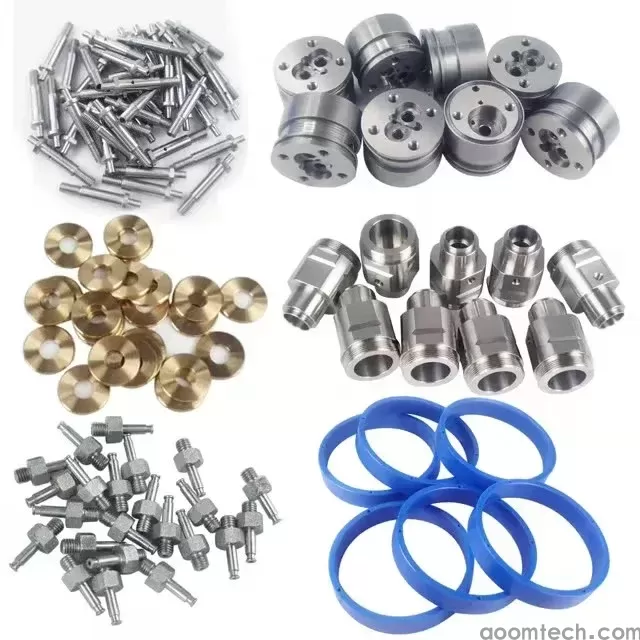
Tool Material Options and When to Use Them
High-speed steel. Tough and forgiving. HSS is a cost-effective choice for mild steels and short production runs. But it dulls quickly on harder alloys and cannot handle high temperatures. Good for small shops with limited budgets, not ideal for production work on tough steels.
Carbide. This is the industry standard for a reason. Carbide tools are much harder and can run at higher temperatures than HSS. They excel on stainless steel, tool steels, and alloy steels. The higher upfront cost pays back through longer tool life and faster cycle times.
Coatings. A carbide tool with TiAlN or AlTiN coating is a game-changer for steel. The coating reduces friction, reflects heat away from the substrate, and dramatically extends tool life. For stainless steel or abrasive materials, a good coating is essential, not optional.
Practical Tool-to-Steel Pairing Guide
Here is what works in our shop:
- Mild or low-carbon steel: Uncoated or coated carbide with standard geometry. These steels are generally easygoing but can be abrasive.
- Stainless steel (304, 316): Tough-grade carbide with a sharp cutting edge. Stainless work-hardens, so keep the tool engaged and maintain a steady feed rate.
- Tool steel (pre-hardened): Wear-resistant carbide with robust geometry. Extreme hardness demands a rigid setup to avoid chipping.
- Alloy steel (4140, 4340): Coated carbide is your best option. A good coating fights the heat and wear these materials generate.
Geometry and Parameters Matter Too
Tool geometry directly affects how the tool shears metal. For softer gummy steels, a sharp positive rake angle slices the material cleanly and prevents built-up edge. For harder steels, a stronger negative rake angle provides more support behind the cutting edge.
Feeds and speeds follow a general rule: harder steel means slower speed and lower feed. But the perfect sweet spot requires experimentation. Textbooks give you a starting point. The actual numbers need adjustment based on your specific machine, setup, and tolerance requirements.
Common Mistakes We See
One tool for everything. Pushing a tool designed for mild steel into tool steel work will produce a few good parts and then fail. The hidden costs in downtime and inconsistent quality add up fast.
Ignoring chatter. A vibrating tool is a warning. It indicates an unstable setup, worn tooling, or incorrect parameters. Stop and diagnose. Pushing through will ruin the tool, the part, and potentially the spindle.
Tool holder runout is another area where shops cut corners. Even the best tool performs poorly if it is wobbling. Minimal runout in the tool holder is non-negotiable for good results.
The right tool choice is not about finding a single perfect answer. It is about understanding the interaction between the steel, the tool, and the machine. That synergy is what turns a good machining process into a great one.
Send your CAD files to chen@aoomtech.com for a quote within 24 hours.
 CNC Machining Aluminum vs Stee
 Small Batch Precision CNC Mach
 How to Ensure Precision in CNC
 How to Calculate CNC Machining