


What Kind of Factory Do You Need for Small Batch CNC Machining?
What Kind of Factory Do You Need for Small Batch CNC Machining?
Choosing the right manufacturing partner is one of the most important decisions when starting a small production project. If you are planning a limited quantity of parts, understanding What Kind of Factory Do You Need for Small Batch CNC Machining? can help you avoid costly mistakes, delays, and quality issues.
This guide explains the essential factory capabilities, quality systems, cost factors, and communication practices you should look for when selecting a CNC machining supplier for small batch production.
Understanding Small Batch CNC Machining
Characteristics of Small Batch Production
Small batch CNC machining usually means producing a limited number of parts, often from just a few units to a few hundred pieces. Unlike mass production, each unit carries a higher share of setup and programming costs.
This creates a unique challenge: balancing cost-effectiveness with precision and consistency. Even though the order size is small, the parts still need to meet strict dimensional and functional requirements. That is why choosing the right factory is critical.
Factory Capabilities for Small-Batch CNC Machining
Machine Diversity and Flexibility
A key factor in selecting a supplier is machine variety. A capable factory should have multiple types of CNC equipment, such as:
3-axis CNC machining centers for simple parts
4-axis machines for more complex geometries
5-axis CNC machines for high-precision and multi-surface parts
CNC lathes for cylindrical and rotational components
These machines allow the factory to handle different geometries without outsourcing or excessive setup changes. This flexibility is one of the most important factory capabilities for small-batch CNC machining, especially when projects vary frequently.
For example, a 5-axis machine can reduce multiple setups into a single operation, improving accuracy and saving time. A CNC lathe, on the other hand, is essential for producing shafts, pins, and bushings efficiently.
Precision and Repeatability
Even in small batch production, every part must meet exact specifications. A professional factory should ensure both high precision and repeatability.
This is achieved through:
Regular machine calibration
High-quality cutting tools
Skilled CNC operators
Standardized machining processes
Factories often use in-process measurement tools such as calipers, micrometers, and probes to verify dimensions during production. This helps ensure that every part in the batch remains consistent, even when production runs are short.
Expertise and Experience
Industry-Specific Knowledge
A strong CNC factory should understand the requirements of your industry. Different industries have very different standards:
Medical: biocompatible materials and strict regulatory compliance
Aerospace: lightweight materials and high safety requirements
Automotive: durability and cost efficiency
Electronics: tight tolerances and fine features
A factory with relevant experience will already understand these expectations. When evaluating suppliers, ask for case studies or examples of similar projects. This is one of the most reliable ways to judge real capability.
Small-Batch Machining Experience
Not all CNC factories are optimized for small orders. A factory experienced in small batch work understands how to reduce setup waste, optimize tooling use, and manage costs effectively.
They know how to:
Minimize programming time for short runs
Reuse fixtures when possible
Adjust production schedules flexibly
Control overhead costs per unit
This experience directly improves efficiency and helps you achieve better pricing and faster delivery.
Quality Assurance in Small Batch CNC Machining Factories
In-Process Quality Control
Because small batches do not allow much room for error, quality must be controlled during production, not only after it.
Reliable factories use in-process inspection methods such as:
Coordinate Measuring Machines (CMM)
Precision gauges and fixtures
Real-time operator checks
This approach ensures that deviations are detected early, preventing entire batches of defective parts. Strong quality assurance in small-batch CNC machining factories is a key sign of professionalism.
Final Inspection and Testing
After machining is completed, a full inspection process should confirm that all parts meet specifications. This may include:
Dimensional verification
Surface finish inspection
Functional testing (if required)
For critical applications, advanced non-destructive testing methods such as ultrasonic or magnetic particle inspection may be used to detect hidden defects. A factory that invests in final inspection demonstrates strong commitment to quality.
Cost-Effectiveness and Pricing Transparency
Price Transparency
Cost is always an important factor in small batch manufacturing. A reliable factory should clearly explain how pricing is calculated.
A proper quotation should include:
Material cost
Machining time cost
Tooling or fixture cost
Surface finishing or post-processing
Transparent pricing helps you compare suppliers fairly and understand where your money is going. This is essential when evaluating the cost-effectiveness of small-batch CNC machining factories.
Cost-Saving Strategies
Experienced factories can also help reduce costs without lowering quality. Common strategies include:
Optimizing part design for easier machining
Using standard tools instead of custom tools
Combining multiple small orders into efficient production runs
Reducing unnecessary machining steps
These improvements can significantly lower unit costs, especially when production volume is limited.
Customer Service and Communication
Responsiveness
Good communication is often overlooked but extremely important. A professional CNC factory should respond quickly and clearly to questions about design, cost, or delivery time.
Fast response during early communication is usually a strong indicator of how smoothly the project will go later.
Collaboration and Flexibility
The best factories do not simply produce parts—they collaborate with you to improve the design and process.
A flexible factory can:
Suggest design improvements for manufacturability
Adjust production schedules when needed
Adapt to design changes during development
This collaboration is especially valuable in small batch CNC machining, where changes and iterations are common.
Conclusion
Understanding What Kind of Factory Do You Need for Small Batch CNC Machining? helps you choose a partner that delivers both quality and efficiency.
The ideal factory should combine machine flexibility, precision capability, strong industry experience, reliable quality systems, transparent pricing, and responsive communication. When all these factors work together, you can achieve stable results even in small production volumes.
In short, the right partner is not just a machine shop—it is a problem-solving manufacturing team that supports your project from design to final delivery.
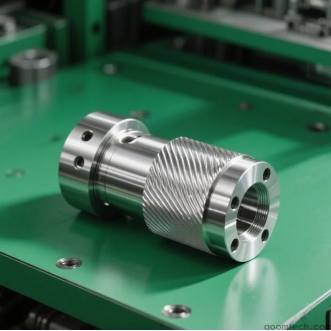 How to Ensure Precision in CNC
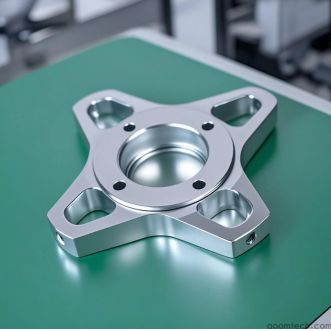 Small Batch Precision CNC Mach
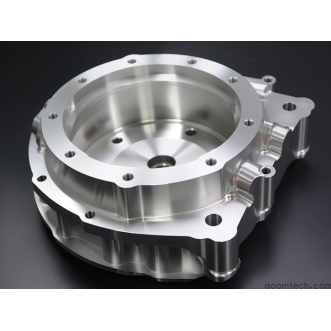 What surface finish can CNC ma
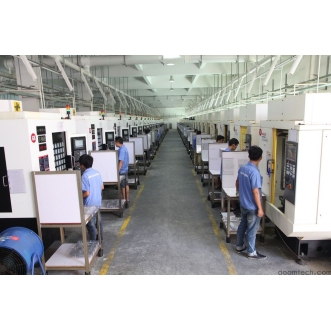 CNC Machining Tolerance Settin