


How to Find Reliable CNC Machining Services for Your Project
How to Find Reliable CNC Machining Services for Your Project
Finding a trustworthy CNC machining partner is a critical step for the success of any manufacturing project. Whether you are developing prototypes, producing small batches, or scaling up for mass production, the quality of your machining service directly affects product performance, cost, and delivery time. This guide explains How to Find Reliable CNC Machining Services for Your Project in a practical, step-by-step way so you can make informed decisions with confidence.
Understand Your Project Requirements
Part Specifications
Before contacting any machining supplier, clearly define your part requirements. This includes dimensions, tolerances, and surface finish.
Tight tolerances such as ±0.01mm often require advanced CNC equipment and highly skilled operators. Not all workshops can consistently achieve this level of precision, so being specific helps you filter out unsuitable providers early.
Surface finish is equally important. A smooth finish may be required for aesthetic or functional sealing purposes, while a rough finish may be needed for better coating adhesion or grip. Clearly stating these needs ensures the machining service can match the correct process and tooling.
Material and Quantity
The type of material has a major impact on machining feasibility and cost. Aluminum, stainless steel, plastics, titanium, and engineering alloys all behave differently during cutting.
Some providers specialize in soft materials like aluminum, while others focus on harder or high-performance alloys. Matching your material to the supplier’s expertise improves both quality and efficiency.
Quantity also matters. Small-batch production may require flexible pricing and fast setup, while large-volume orders demand consistent repeatability and production capacity. Always choose a supplier that fits your production scale.
Evaluate Machining Capabilities
Machine Types and Axes
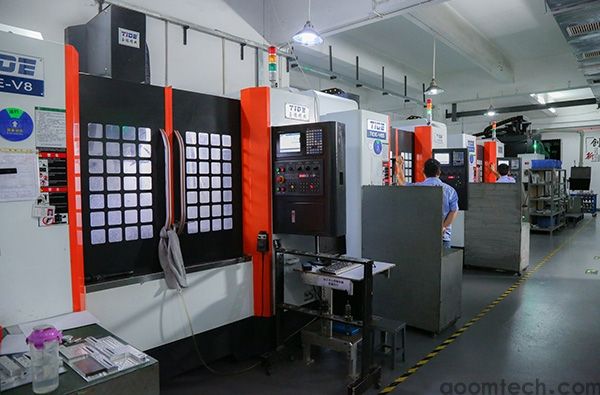
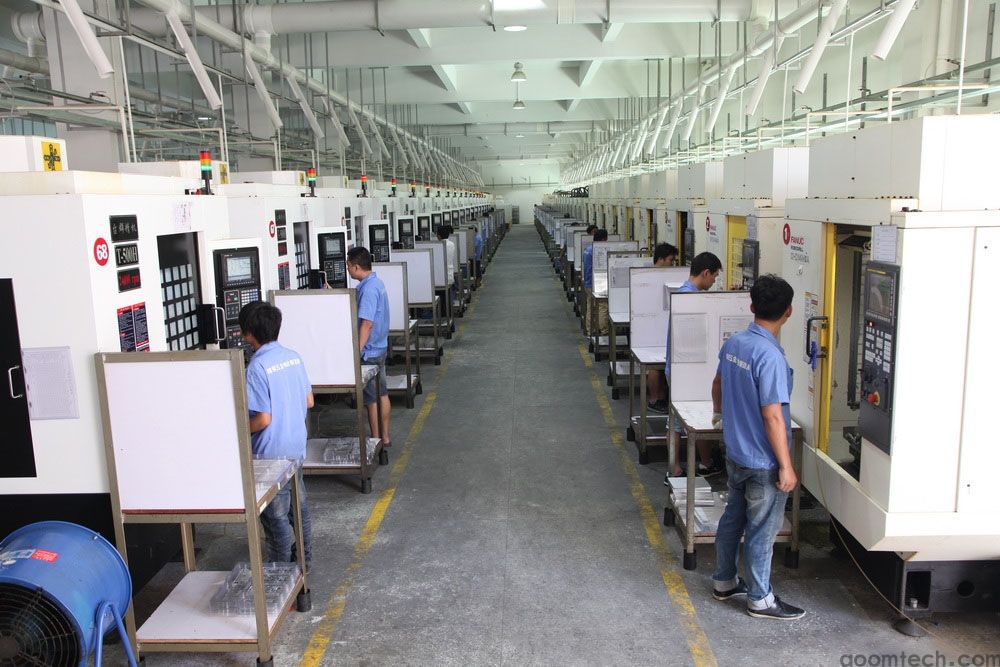
A key step in evaluating machining capabilities for reliable CNC services is understanding their equipment.
3-axis CNC machines are suitable for simpler geometries such as flat plates, brackets, and basic components. In contrast, 5-axis machines allow complex movement and are ideal for aerospace parts, turbine components, and intricate 3D geometries.
High-speed machining centers are especially important for aluminum and other materials requiring fast material removal with smooth surface finishes. A capable supplier should clearly explain their machine lineup and match it to your part design.
Precision and Repeatability
Reliable CNC machining services must consistently meet tolerances across multiple parts, not just one-off samples. Repeatability is a key indicator of manufacturing stability.
You can evaluate this by asking for past project examples, inspection reports, or typical tolerance capabilities. A professional supplier will be transparent about their achievable accuracy and quality control methods.
Check Experience and Expertise
Industry Experience
A machining service with experience in your industry is often more reliable. For example, aerospace and medical industries require strict quality standards and documentation.
Suppliers familiar with these industries are more likely to understand compliance requirements, material traceability, and precision expectations. Case studies or references are strong indicators of real-world experience.
Material-Specific Knowledge
Different materials require different machining strategies. Titanium, for example, generates high heat and requires specialized tooling and slower cutting speeds.
A knowledgeable supplier will adjust tooling, feed rates, and cooling strategies based on material type. This expertise directly affects part quality, tool life, and cost efficiency.
Assess Quality Assurance
Quality Control Measures
Strong quality assurance in reliable CNC machining services is essential for consistent results.
Look for suppliers that use in-process inspections, final inspections, and advanced measurement tools such as Coordinate Measuring Machines (CMMs). These systems help detect errors early and prevent defective parts from reaching customers.
Reliable quality systems reduce risk, improve consistency, and ensure that each batch meets your specifications.
Certifications and Standards
Certifications are a strong sign of professionalism and structured quality management.
One of the most recognized standards is :contentReference[oaicite:0]{index=0} ISO 9001, which defines requirements for quality management systems. Suppliers with ISO certification typically follow documented processes, audits, and continuous improvement practices.
For medical-related projects, ISO 13485 may also be required. Always confirm whether the supplier meets the standards relevant to your industry.
Consider Cost-Effectiveness
Price Quotes and Transparency
When comparing suppliers, always request detailed and transparent quotations. A complete quote should include material costs, machining time, surface treatment, and additional services.
Be cautious of unusually low prices, as they may indicate hidden costs or compromised quality. Comparing multiple quotes on the same specification helps you understand the fair market range.
Value-Added Services
Cost is not the only factor. Many reliable suppliers offer value-added services such as design optimization, prototyping, or post-machining treatments like anodizing or heat treatment.
These services can improve product performance and reduce long-term manufacturing costs by identifying design issues early.
Review Customer Service and Reputation
Communication and Responsiveness
Good communication is a strong indicator of reliability. A professional CNC machining service should respond quickly, ask relevant technical questions, and provide clear updates throughout the project.
Poor communication often leads to misunderstandings, delays, and quality issues. Evaluate responsiveness from the very first inquiry stage.
Customer Reviews and References
Customer feedback provides valuable insight into real-world performance. Look for consistent positive reviews regarding quality, delivery time, and service reliability.
Whenever possible, ask for direct references and speak with past clients. This helps verify whether the supplier can truly meet expectations in practice, not just on paper.
Conclusion
Learning How to Find Reliable CNC Machining Services for Your Project requires careful evaluation of technical capability, experience, quality systems, pricing transparency, and customer support. By focusing on these key areas, you can reduce risks and select a partner that consistently delivers accurate, high-quality parts.
In today’s competitive manufacturing environment, choosing the right CNC machining service is not just about cost—it is about long-term reliability, engineering expertise, and trust.
 How to Ensure Precision in CNC
 Small Batch Precision CNC Mach
 What surface finish can CNC ma
 CNC Machining Tolerance Settin