


How to Find Reliable CNC Machining Services for Aluminum Parts?
I've spent years machining aluminum parts for clients around the world. And I'll tell you straight: finding a reliable CNC shop for aluminum is harder than it should be.
Every shop claims they can cut aluminum. But there's a world of difference between someone who "can cut it" and someone who understands the material — its quirks, its tendencies, what happens when the cutter gets dull, and how to hold tight tolerances without warping the part.
Let me share what I look for when vetting a supplier, and what you should be asking before you send your next RFQ.
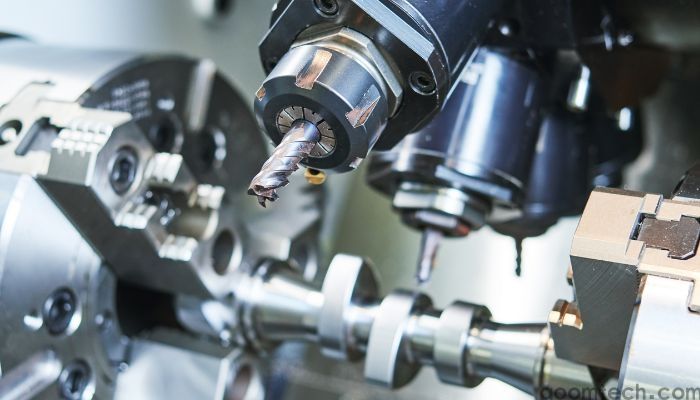
What Makes a Shop Truly Reliable for Aluminum?
A reliable shop doesn't just own CNC machines. They understand aluminum at a material level.
Aluminum is soft. It gums up cutting tools if your speeds and feeds aren't dialed in. It conducts heat fast, which sounds good until thermal expansion throws your tolerances off. Different grades behave completely differently — 6061 machines like butter, 7075 is harder and more abrasive, and cast alloys have their own set of challenges.
A good shop will proactively discuss these details with you. They'll ask which grade you're using and why. They might even suggest a different alloy that better suits your application. If a shop just sends a quote without asking any technical questions, that's a red flag.
What to Check Before You Commit
Price matters. But here's what matters more.
Material expertise. Can they machine multiple aluminum grades? Can they advise on 6061 vs. 7075 vs. 5052 for your specific use case? A shop that asks "what are you making?" is a shop that cares about getting it right.
Quality control. Ask about their inspection setup. Do they use CMMs? What about surface roughness testers for finish-critical features? Will they provide inspection reports? The answers tell you everything about their process.
Communication. Who's your point of contact? Can you talk directly to the engineer running your job? I've seen projects go sideways because a sales rep didn't understand a technical detail. Direct communication prevents costly mistakes.
I've found that shops willing to explain their process in plain language are usually the most competent. They're confident in what they do. They don't need to hide behind jargon.
The Real Challenge: Finish and Tolerance
Anyone can cut a block of aluminum into a shape. But holding ±0.01mm on a thin-walled pocket with a 32-micron surface finish? That's a different conversation.
One common mistake I see: clients don't specify finish requirements early. Then the parts come back raw, they need anodizing, and the schedule slips while we coordinate secondary operations. Always include your finish specs on the drawing.
Here's my advice: If you're unsure about tolerances on non-critical features, just say so. A good engineer will guide you toward standard tolerances that save money without affecting function. But if you need it tight, say that too. We'd rather know upfront.
Why Small Batches Are Actually Harder for Aluminum
It sounds backwards, but small batches are harder than mass production for aluminum parts. Large factories want high volume. They're set up for it. Small runs interrupt their flow.
The best partners for low-volume aluminum work are agile shops that value long-term relationships over short-term utilization. We'll happily start with a 5-piece prototype run. We know that if we do it right, you'll come back for 500.
Your per-part cost will be higher at small quantities. That's normal — setup time is fixed. A transparent shop will explain the breakdown. If they dodge the question, walk away.
Questions to Ask Before You Send Your Files
Ready to engage a supplier? Arm yourself with these questions:
- "Walk me through your workflow for a part like this."
- "What's your lead time for a 10-piece batch, and what typically causes delays?"
- "Can you show me a similar aluminum part you've machined?"
- "How do you handle surface finish for parts that will be anodized?"
The answers separate order-takers from real partners. A true partner gives specific, thoughtful responses. They don't read from a script.
Finding the right CNC service takes a few extra emails. But the saved time, cost, and headache downstream makes it worth the effort. If you want a fresh set of eyes on your aluminum part design, we're happy to help.
Send your CAD files to chen@aoomtech.com for a quote within 24 hours.
 CNC Machining Aluminum vs Stee
 Small Batch Precision CNC Mach
 How to Ensure Precision in CNC
 How to Calculate CNC Machining